

Entryway Umbrella Rack
An entryway umbrella rack organises the hallway, holding sticks and coats while anchoring the entrance with period timber or iron.
Entryway Umbrella Rack
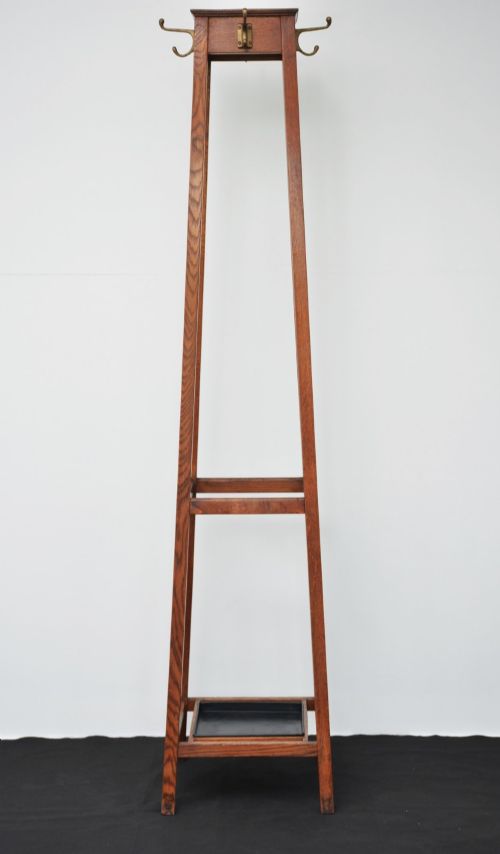
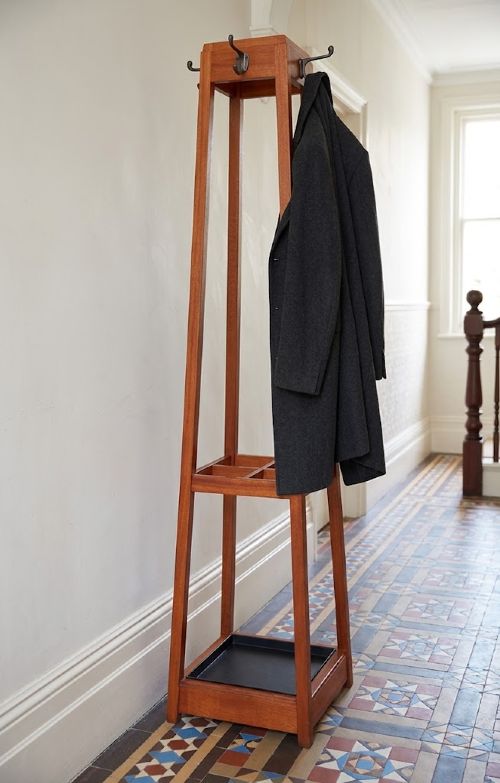
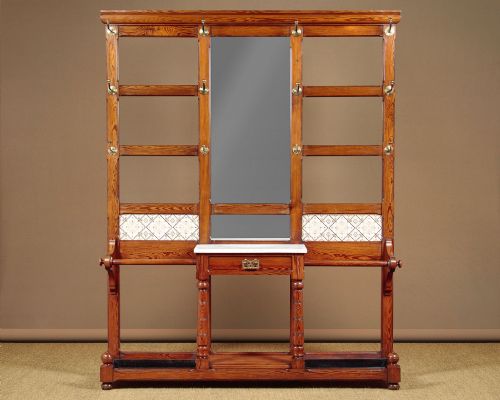
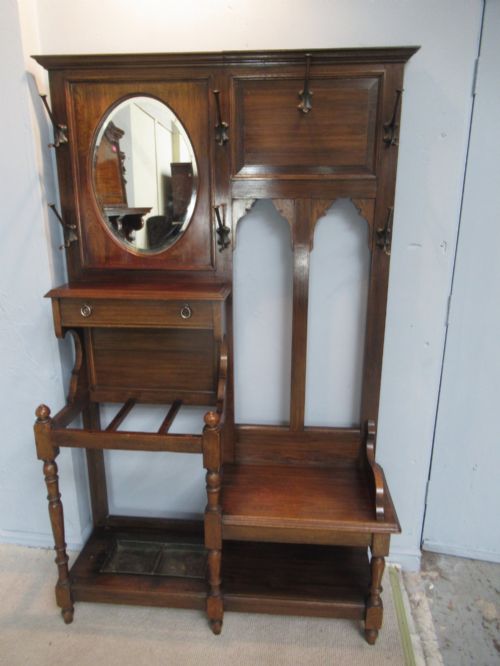
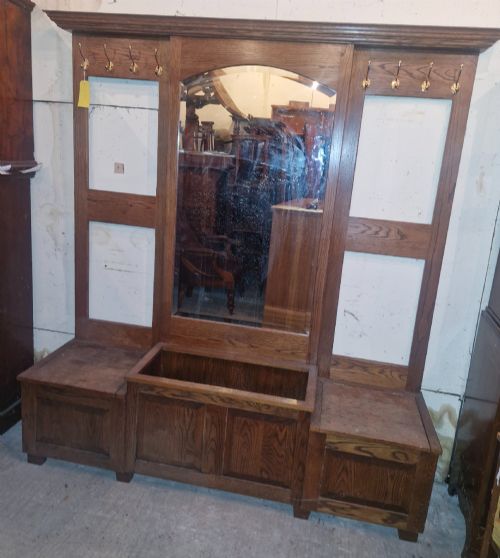
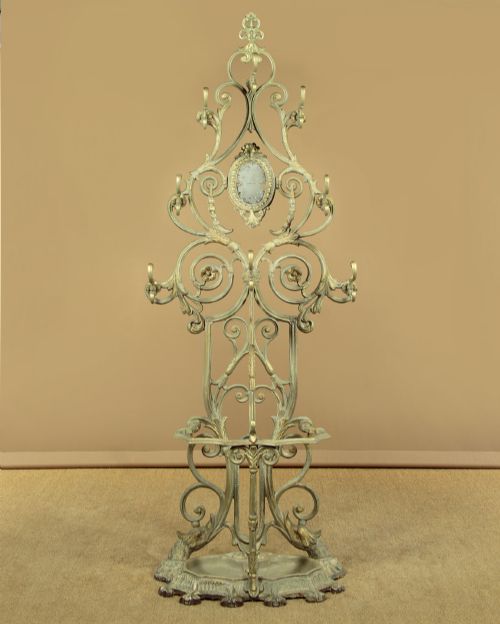
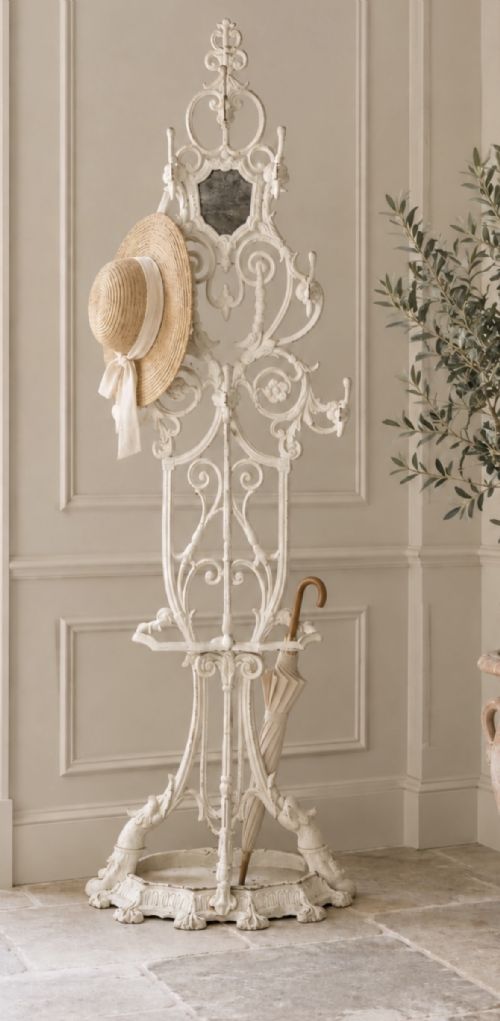
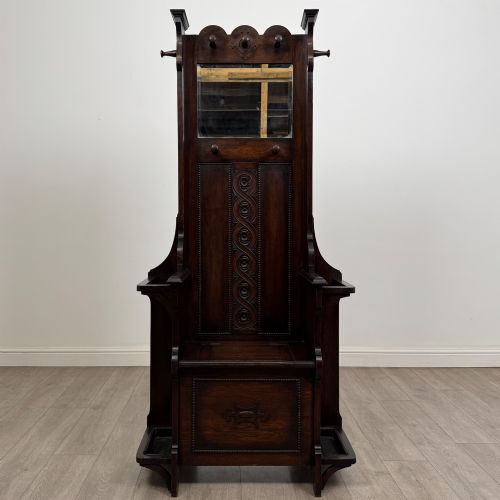
An entryway umbrella rack serves as the primary drop-zone for walking sticks, brollies, hats, and coats upon entering a home. These functional items appear on this page primarily as larger hall stands, combining umbrella wells with coat hooks, mirrors, and bench seats.
Most examples date from the Victorian and Edwardian eras, constructed to furnish large entrance halls with substantial timber or metal framework. Shoppers encounter varied configurations, ranging from dedicated brass stick stands to multi-functional oak and mahogany hallstands with carved panels.
Makers from the nineteenth and early twentieth centuries incorporated diverse regional aesthetics, including Arts and Crafts simplicity, Aesthetic Movement bamboo, and Gothic Revival carving. These pieces bring period character directly into modern hallways while retaining their original utilitarian purpose.
How they were made
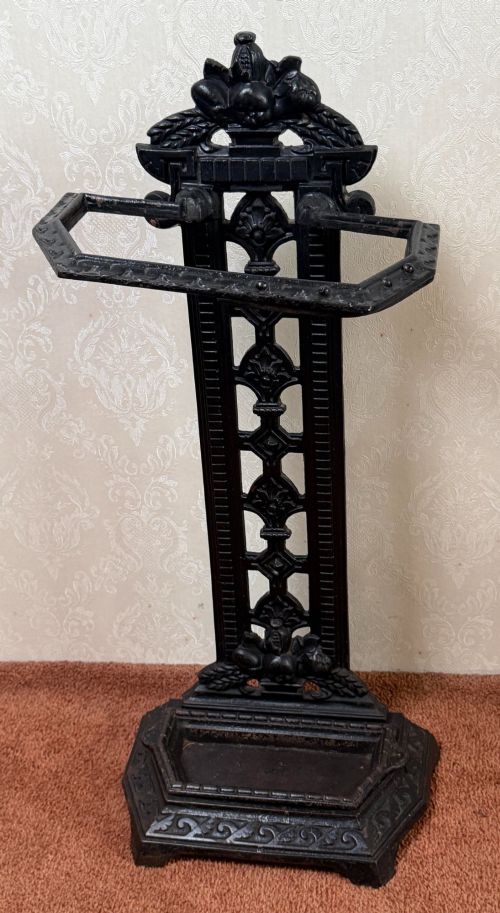
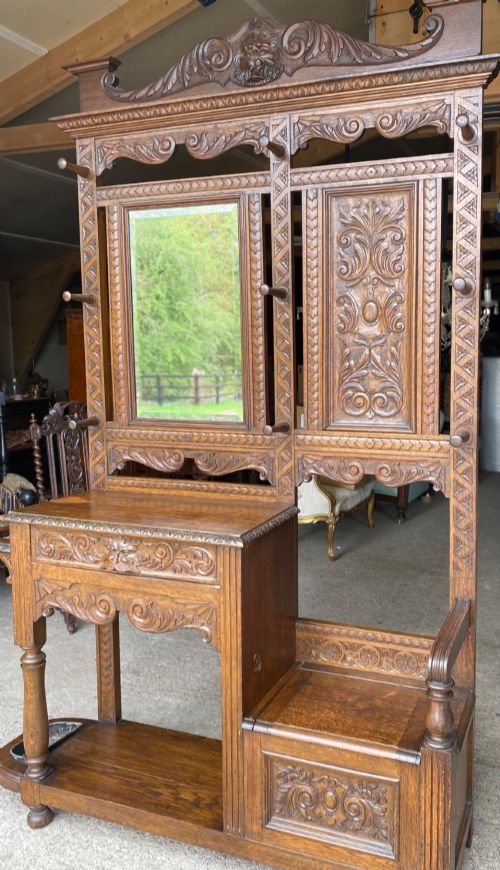
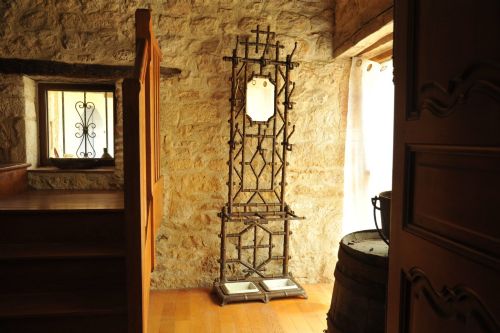
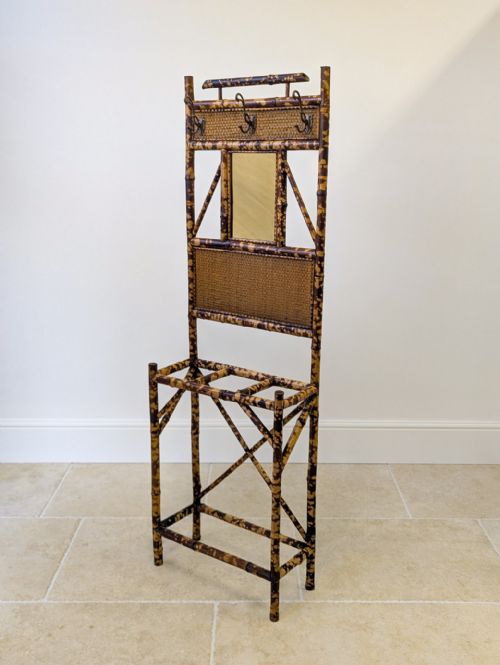
Craftsmen utilised solid hardwoods such as oak, mahogany, and walnut, often shaping them with hand-carved details like the distinctive Green Man motif or geometric Arts and Crafts panels. Metal versions rely on cast iron, brass, and steel, sometimes cast to imitate natural materials like bamboo for an exotic finish.
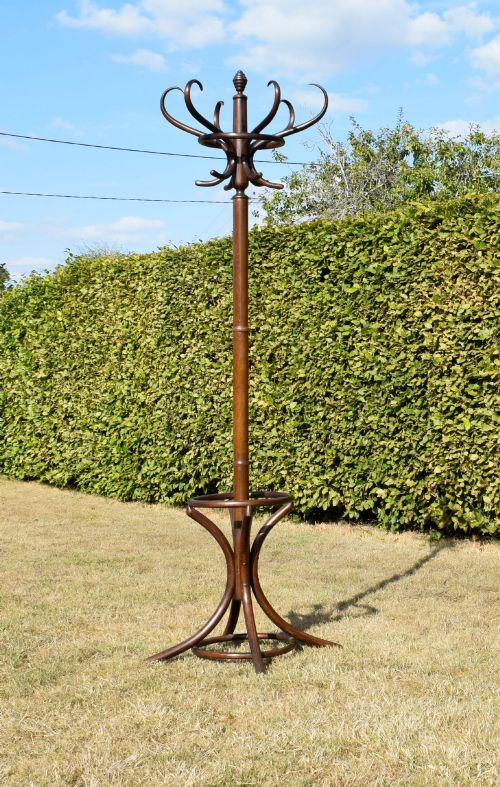
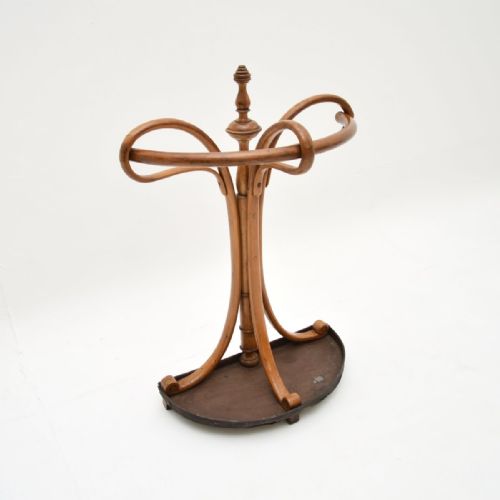
Curved elements found in bentwood pieces required steaming beech wood until pliable, bending it into organic loops before securing the joints. Drip pans made of metal sat at the base of umbrella compartments to catch water from wet sticks, protecting the surrounding timber structure.
The inventory records diverse styles including Arts and Crafts, Aesthetic Movement, Art Nouveau, and Austrian Bentwood.
What varies in quality
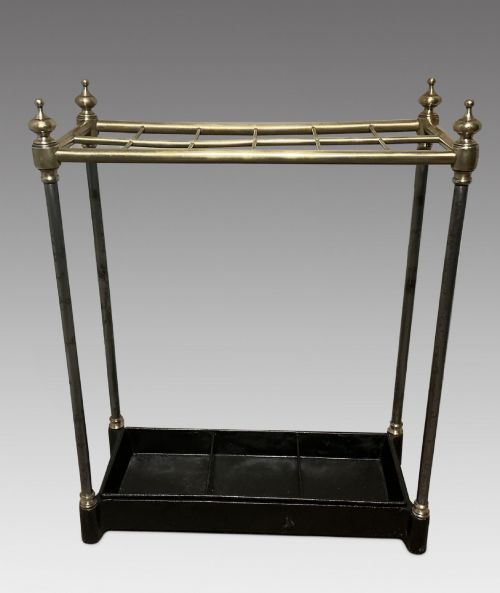
The distinction between standard utility furniture and superior examples lies in the depth of the carving, the selection of figured timbers, and the presence of integrated mirrors or marble inserts. Heavier gauge brass and thick cast iron indicate robust construction designed to withstand daily household traffic.
Original hardware such as brass coat hooks, drip trays, and bevelled mirror glass elevates a piece above those altered or repaired with modern replacements. The integrity of steam-bent frames and tight joinery also distinguishes finely executed workshop production from simpler output.
Thonet·Falkirk Foundry·Fischel
The Entryway Umbrella Rack Glossary
- Bentwood
- Wood softened by steam and bent into curved structural forms. This technique created lightweight, durable coat and umbrella stands popular around nineteen hundred.
- Hallstand
- A multi-functional hall piece combining coat hooks, a mirror, umbrella storage, and frequently a glove box or bench seat. They dominated Victorian and Edwardian entranceways.
- Demi lune
- A half-moon shape used for wall-mounted or corner stick stands. This profile allowed umbrella racks to sit flush against hallway panels without blocking pathways.
- Faux bamboo
- Turned wood or cast iron carved and painted to resemble natural bamboo canes. This decorative finish gained popularity during the Aesthetic Movement.
- Cast iron
- Molten iron poured into a mould to form rigid structures. It provided heavy, stable bases for umbrella racks and intricate frames for hall stands.
Entryway Umbrella Rack: Frequently Asked Questions
What is the difference between a hall stand and an umbrella rack?
A hall stand is a large multi-functional piece of furniture that includes coat hooks, a mirror, and a seat alongside compartments for sticks and brollies. Dedicated umbrella racks focus entirely on holding wet walking gear without the attached timber backboard or coat hooks.
Buyers with compact hallways often choose standalone brass or cast iron umbrella racks to save floor space. Larger Victorian hallways typically accommodated substantial hall stands that served as the focal point of the entrance.
How do I protect my floor from wet umbrellas?
Period umbrella stands feature removable metal drip trays or wells positioned at the base to catch rainwater from wet sticks. These trays protect wooden flooring and carpets from moisture damage.
Owners should empty and dry these metal inserts regularly to prevent rust accumulation. Placing a small absorbent mat beneath older cast iron or open wirework stands offers additional floor protection.
Where should I place an entryway umbrella rack?
These pieces belong immediately inside the front door where residents and guests remove outerwear. Corner designs fit neatly into narrow hallways, while wall-mounted racks maximise floor space in tight entryways.
Freestanding hall stands require stable flooring and adequate clearance for coat hooks and doors. Positioning them away from direct heat sources prevents timber panels and veneers from drying out or splitting.
How do I date a Victorian or Edwardian hall stand?
Dating relies on stylistic clues, construction methods, and materials recorded in the design. Victorian pieces often display heavy carvings, Gothic Revival influences, or Aesthetic Movement bamboo, whereas Edwardian versions favour lighter oak construction and simpler Arts and Crafts lines.
Examining the fixings, screw types, and mirror bevelling also helps determine the period. Original cast iron foundry stamps or maker's marks provide definitive chronological evidence.