



Entryway Coat Stand Mirror
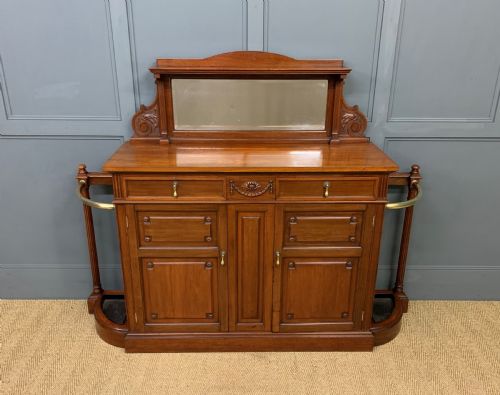
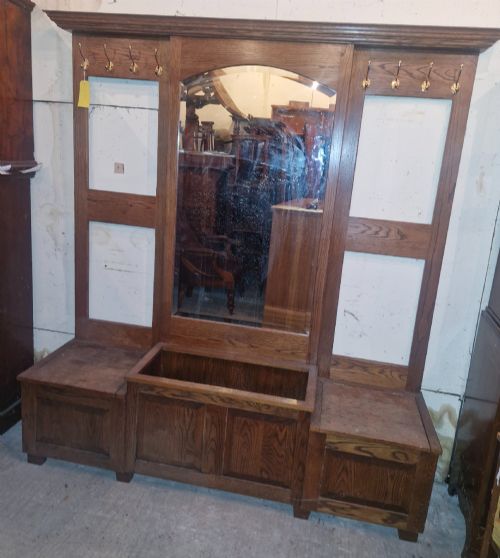
An entryway coat stand mirror organises the hallway with a central glass plate, timber framing, and fitted brass hooks.
Entryway Coat Stand Mirror
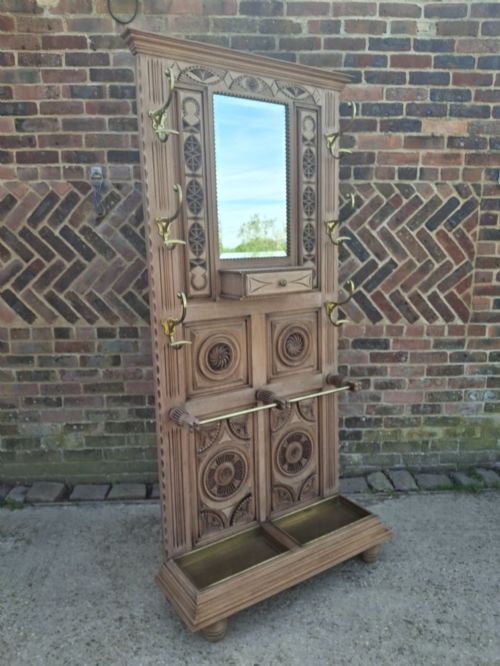
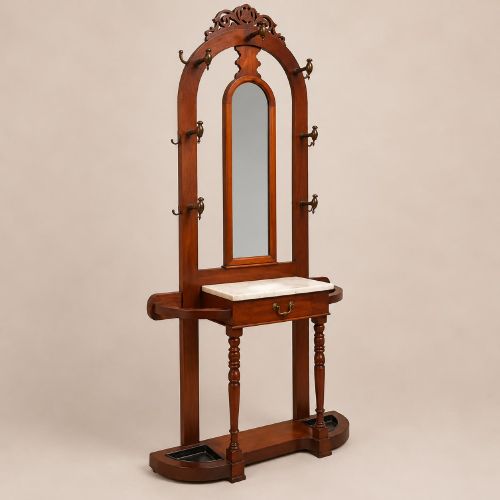
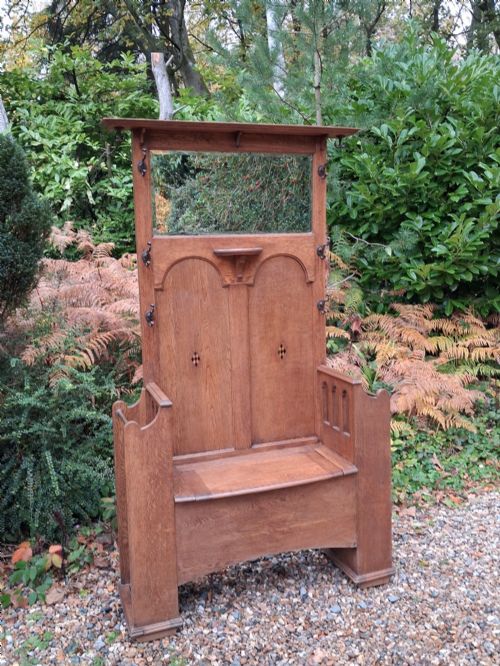
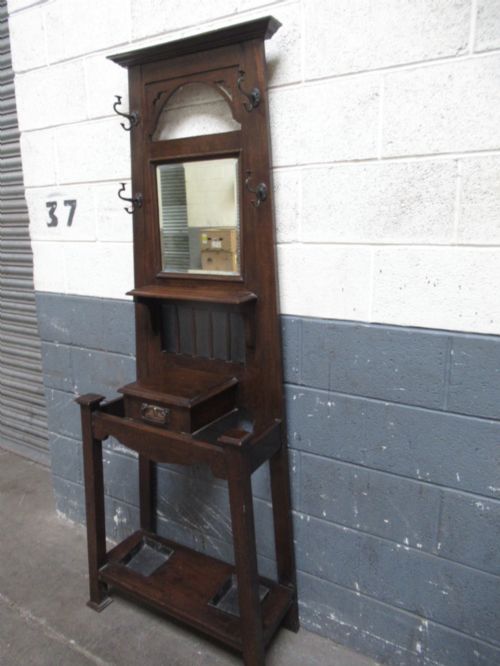
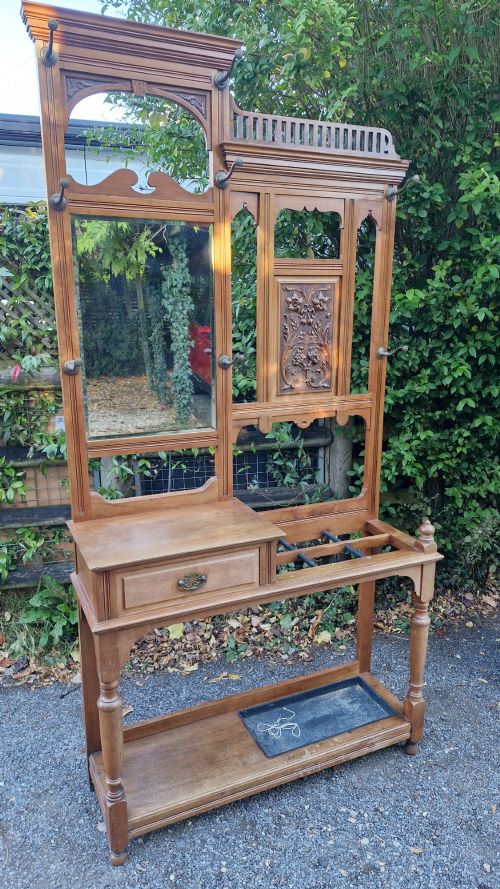
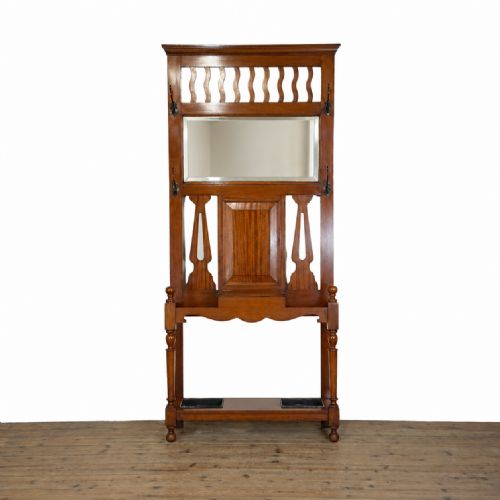
An entryway coat stand mirror combines a looking glass with timber framework, hat pegs, and umbrella wells designed for hallway placement. Buyers looking for an entryway coat stand mirror encounter substantial wooden furniture pieces from the Victorian and Edwardian eras.
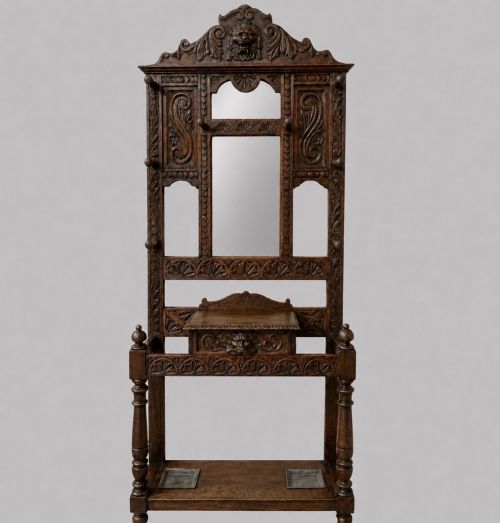
The most common examples on this page are oak and walnut hall stands featuring carved details, integrated umbrella drip trays, and central bevelled mirror plates. These practical items served domestic entryways from the nineteenth century into the twentieth century.
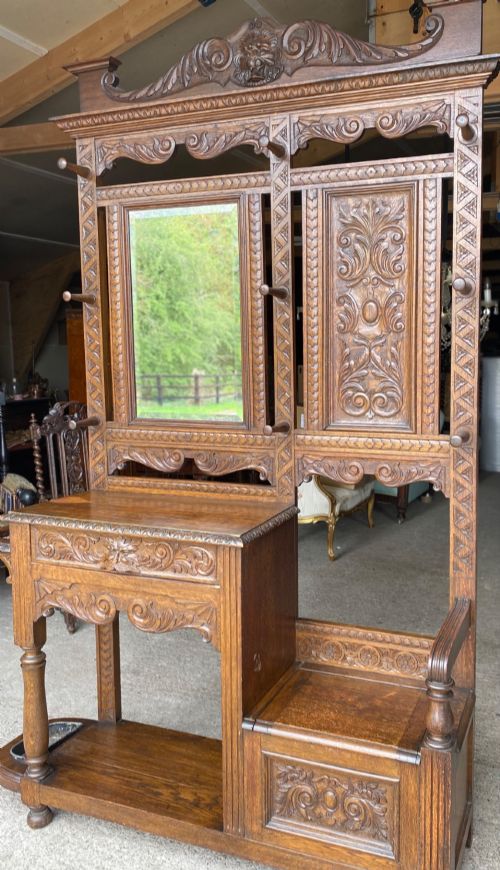
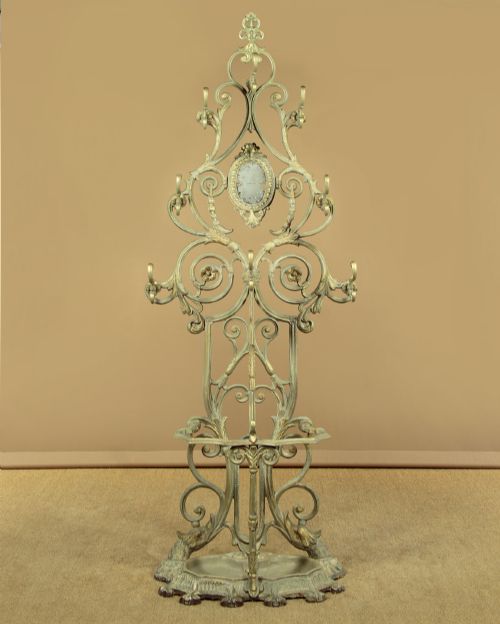
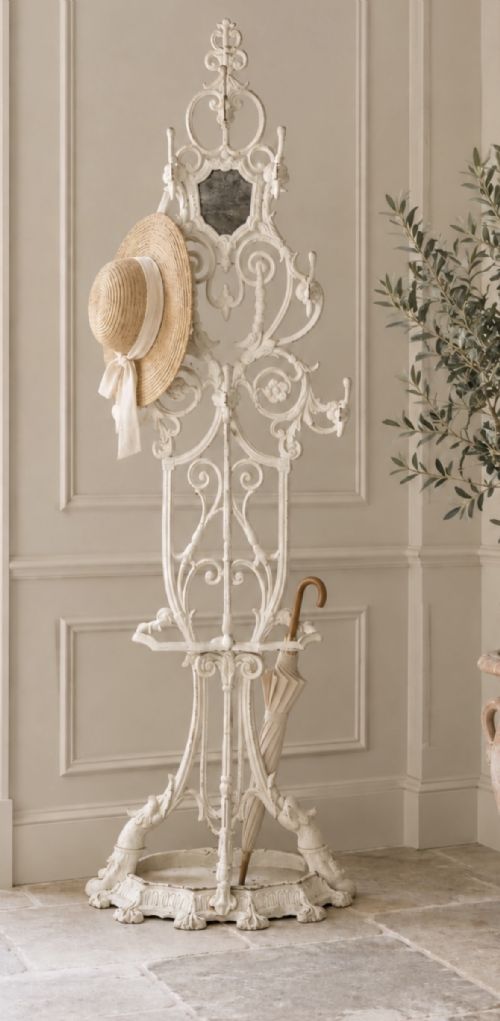
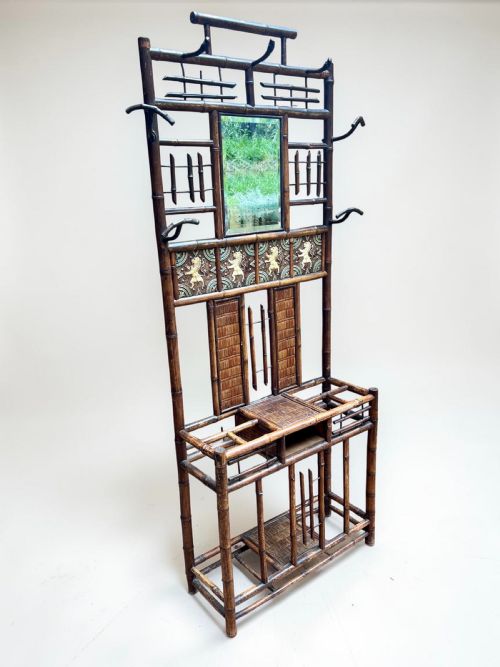
Pieces span architectural styles from heavy Aesthetic Movement bamboo and Flemish carved oak to lighter Arts and Crafts designs and French Art Deco ironwork. Each variant provides a dedicated threshold station for outdoor garments and daily accessories.
Materials and construction methods
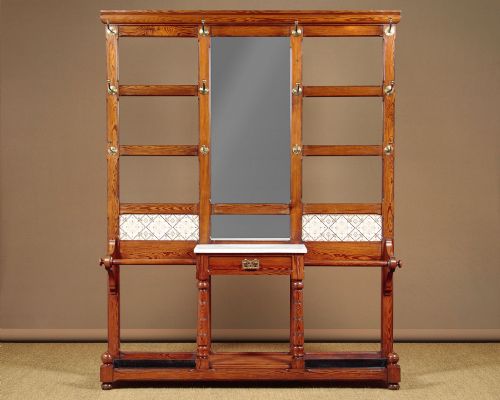
Cabinetmakers utilised solid and veneered hardwoods like oak, walnut, and mahogany, often pairing them with cast iron framing, brass hanging hooks, and marble insert bases for umbrella sections. Natural materials dictate the structural integrity and weight of each surviving example.
Joinery methods combined traditional mortise and tenon framing with steam-bent elements, intricate hand-carved wood ornamentation, and securely mounted mirror glass plates. Metal components such as wrought iron and cast brass provided durable support for heavy garments and wet umbrellas.
Entryway Coat Stand Mirror Retail Price Guide 2026
Typical asking prices for entryway coat stand mirror among the pieces listed under this phrase on Sellingantiques today, from the lower quarter to the upper quarter. They describe what is for sale here now, not the wider market.
Some tall hall stands feature watchful carved wooden faces peering out from the timber crown to greet guests at the front door.
Evaluating the standard of construction
Quality separates robust timber framework with intact original bevelled mirrors and solid brass hooks from pieces showing compromised structural joints or replacement elements. The depth of hand-carving and the choice of dense timbers such as walnut or golden oak distinguish finer workshop output.
The presence of original fitted components, including metal drip pans, marble bases, and maker signatures, elevates the integrity of an assembly. Superior examples maintain balanced proportions and uncompromised surface patination across both the woodwork and the mirrored panels.
Shoolbred and Co·Fischel·Gillows
The Entryway Coat Stand Mirror Glossary
- Hall stand
- A multi-functional piece of hallway furniture combining a mirror, coat hooks, a seat or shelf, and umbrella storage. These items originated to handle outerwear upon entering a home.
- Aesthetic Movement
- A late nineteenth-century design style focusing on visual beauty over narrative meaning. Pieces in this aesthetic often incorporate bamboo or ebonised timber.
- Bentwood
- Wood that has been heated with steam and bent into curved structural forms. This technique created lightweight yet resilient frames seen in specific maker pieces.
- Flemish carving
- Deep, ornate relief wood carving characterised by scrollwork, flora, and figurative motifs. This decorative approach appears on large nineteenth-century oak furniture.
- Marble insert
- A stone slab fitted into the base or top surface of a hall stand. It provided a durable, moisture-resistant area for wet umbrellas and walking sticks.
Entryway Coat Stand Mirror: Frequently Asked Questions
What is an entryway coat stand mirror used for?
These tall hallway furnishings provide a dedicated spot to hang hats and coats, check appearance in the glass before leaving, and store wet umbrellas.
They served as the primary organizational hub in traditional entrance halls for managing daily outdoor accessories.
How do I clean an antique hall stand mirror?
Use a soft, dry cloth to dust the timber surfaces and apply standard glass cleaner carefully to the mirror plate without letting moisture seep behind the frame.
Avoid harsh chemical solvents that can damage aged wood polishes and traditional wax finishes.
How do I identify Victorian hall stands?
Victorian examples typically feature dark timbers such as walnut and mahogany, heavy carved ornamentation, and integrated cast-iron or brass umbrella trays.
They often incorporate Aesthetic Movement bamboo or elaborate panel work reflecting nineteenth-century domestic interior design.
How do I secure a tall hall stand?
Due to their height and narrow footprint, many tall hall stands benefit from discreet wall attachment brackets to prevent tipping during everyday use.
Ensuring the piece rests level on the floor also keeps the structural joints stable under the weight of heavy coats.