





Entryway Coat Hooks
Entryway coat hooks bring practical order to a hallway, offering sturdy brass, iron, or wooden hanging points for everyday garments.
Entryway Coat Hooks
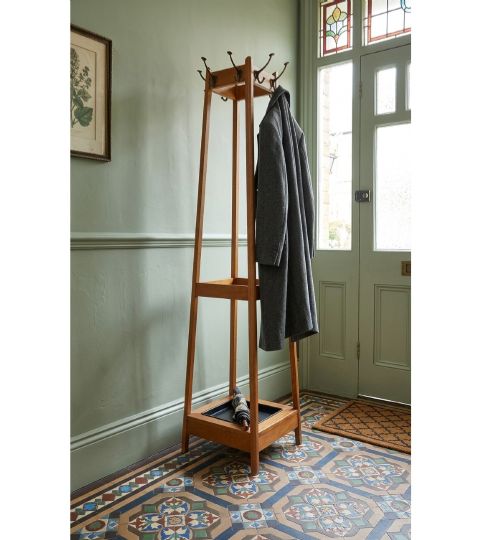
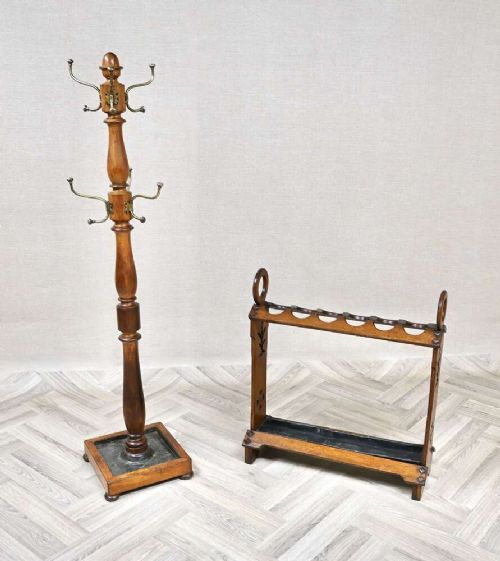
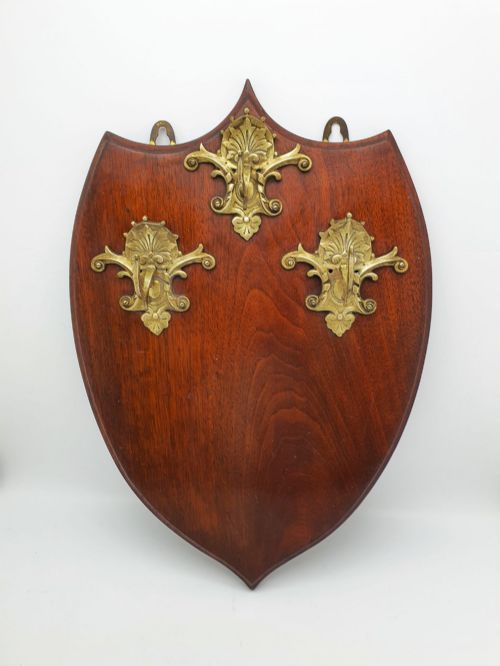
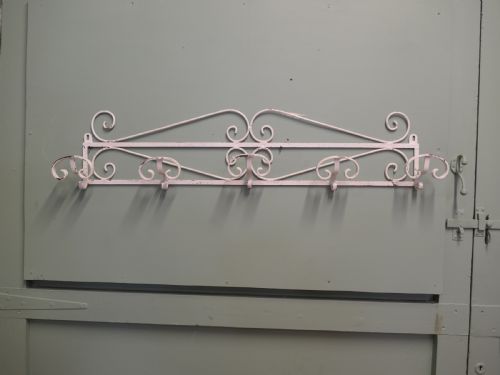
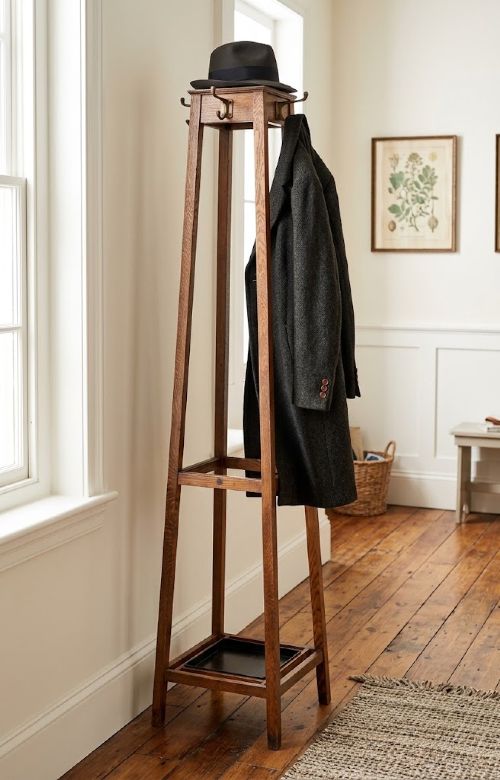
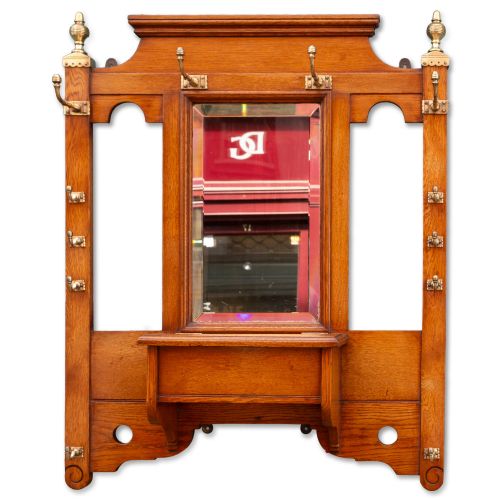
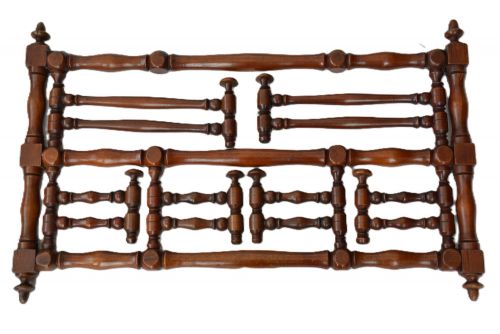
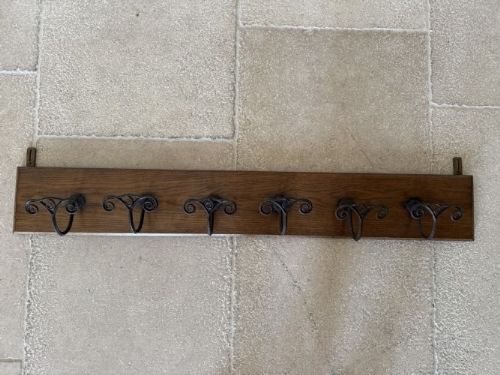
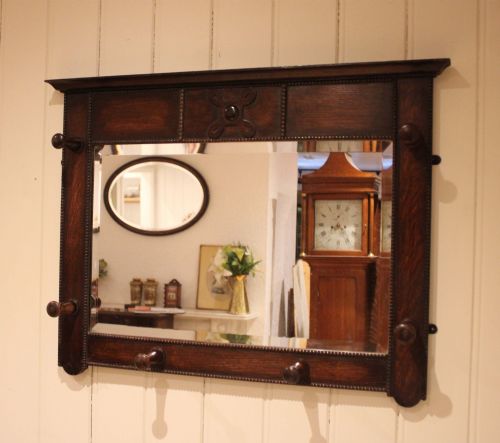
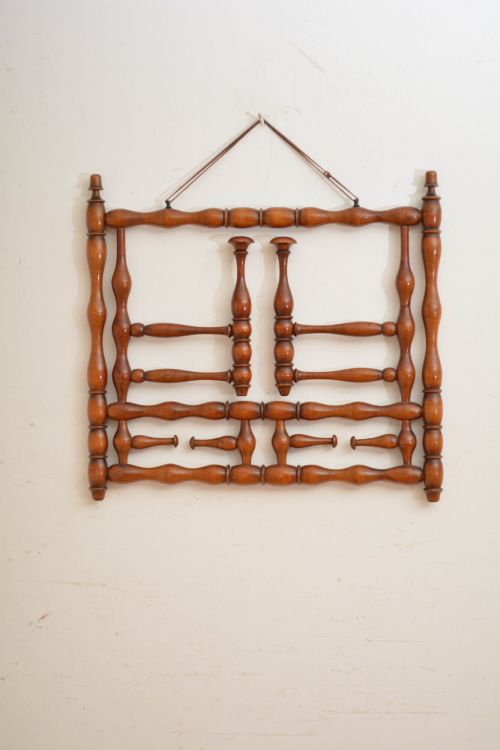
When you search for entryway coat hooks, you encounter wall-mounted racks, hall stands, and mirror-backed pieces designed to organise coats and hats upon entering a home. These items emerge from periods spanning the nineteenth century through the art deco era, featuring materials like oak, mahogany, walnut, and wrought iron.
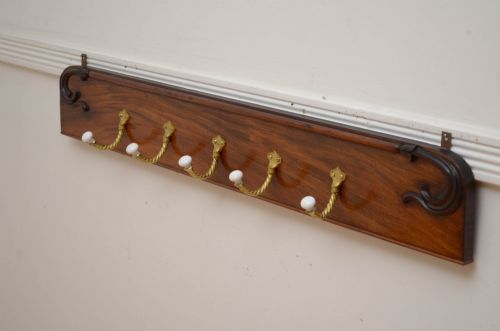
You are most likely to meet wall-mounted wooden and brass racks alongside substantial oak or mahogany hall stands combining mirrors, hat shelves, and sturdy hooks. These functional furnishings reflect styles such as Victorian, Edwardian, Arts and Crafts, and French Country.
How they were made
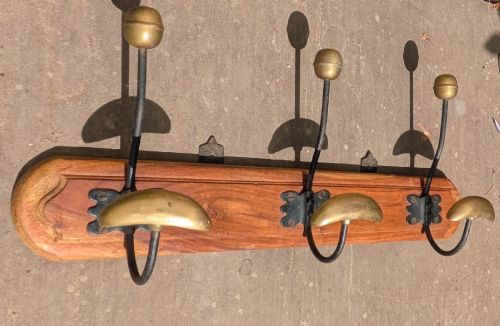
Joinery and metalworking define these pieces, with solid woods like oak, walnut, and mahogany shaped into backboards, shelves, and frames using traditional carpentry methods. Metal elements, including brass hooks and wrought iron brackets, are cast or forged to withstand the weight of heavy garments.
Makers integrated ceramic details, twisted rope carvings, and bevelled glass mirrors directly into the wooden structures to combine utility with domestic decoration.
Entryway Coat Hooks Retail Price Guide 2026
Typical asking prices for entryway coat hooks among the pieces listed under this phrase on Sellingantiques today, from the lower quarter to the upper quarter. They describe what is for sale here now, not the wider market.
Some Victorian hall stands featured built-in drip pans to catch the mud from damp umbrellas.
What varies in quality
The distinction between standard utility items and finer examples rests upon the selection of timber and the sophistication of the metalwork. Dense hardwoods like mahogany and figured oak, paired with heavy cast brass or detailed wrought iron, represent superior construction.
The Entryway Coat Hooks Glossary
- Hall stand
- A large piece of hall furniture combining coat hooks, a mirror, a hat shelf, and frequently an umbrella stand at the base. These provide a complete entrance storage solution.
- Hat tree
- A vertical structure or wall-mounted rack specifically incorporating designated upper hanging points for hats alongside standard coat hooks. This term often appears in turn-of-the-century listings.
- Arts and Crafts
- A design movement prioritising traditional craftsmanship, visible construction, and simple forms. Pieces from this style showcase the natural grain of oak and honest metalwork.
- Bevelled mirror
- A mirror glass plate with an angled edge cut around the perimeter. This decorative technique catches the light and denotes finer mirror-backed hall furniture.
- Wrought iron
- Iron that is heated and hammered into shape by hand, producing textured, durable metalwork. It appears frequently in art deco and industrial style coat racks.
Entryway Coat Hooks: Frequently Asked Questions
How do I mount a heavy wooden coat rack safely?
Heavy wooden racks require secure fastening directly into wall studs or solid masonry using appropriate heavy-duty fixings. Because these pieces are designed to bear the weight of winter garments, professional installation ensures stability.
Distributing the load evenly across multiple fixing points prevents strain on the timber backboard and protects the surrounding wall structure.
What is the difference between a hall stand and a coat rack?
A coat rack is typically a compact wall-mounted board fitted with hooks, designed solely for hanging garments in confined spaces. A hall stand is a substantial piece of furniture that frequently rests on the floor, incorporating mirrors, umbrella wells, and seating.
While coat racks focus entirely on vertical wall storage, hall stands serve as multi-functional entrance furniture combining several domestic utilities into one frame.
How do I care for antique wood and brass in a hallway?
Maintaining antique wood involves dusting regularly with a soft cloth and applying periodic applications of beeswax to nourish the timber grain. Avoid placing damp garments directly against untreated wood for extended periods to prevent water marks.
Brass hooks can be gently cleaned with a non-abrasive metal polish if you wish to reduce oxidation, though many collectors prefer to preserve the natural aged patina.
Can I use an antique wall mirror with coat hooks daily?
These items were built for daily domestic use in nineteenth and early twentieth-century hallways, making them robust enough for modern coats and scarves. The structural integrity of the frame and the mounting points determine how much weight the rack can support safely.
Checking that the hooks remain firmly anchored into the wooden backboard ensures the piece functions reliably in a busy contemporary entryway.