





Entrance Hall Furniture
Entrance hall furniture brings together practical pieces like oak hall stands and mahogany hall chairs designed to welcome visitors into period homes.
Entrance Hall Furniture
Entrance hall furniture comprises the functional and decorative pieces used to furnish the main entryways of period houses, focusing on items that greet guests upon arrival. When exploring entrance hall furniture, buyers encounter practical items designed for everyday use in the hallway.
How they were made
Makers utilised solid timbers such as oak, mahogany, and walnut, often shaping them with carved wood details that highlight the craftsmanship of the period. Brass fittings, cast iron elements, and glass components were incorporated into stands and tables to add durability and functional utility.
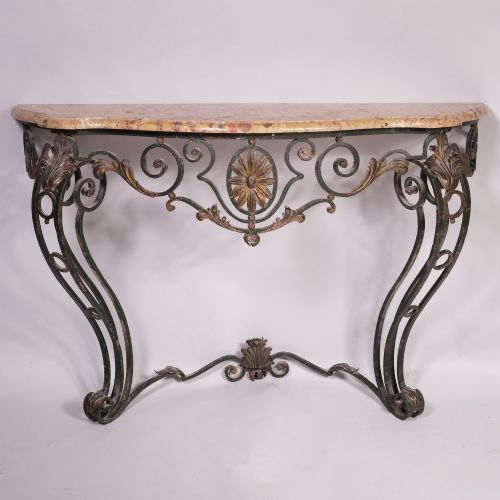
Surface finishes and decorative elements varied widely, from the rich grain of polished mahogany to ebonised surfaces and giltwood highlights on console tables. Marble tops and ceramic tiles, such as those by Minton, were integrated into hall stands and console tables to provide durable, water-resistant surfaces for daily use.
Entrance Hall Furniture Retail Price Guide 2026
Typical asking prices for entrance hall furniture among the pieces listed under this phrase on Sellingantiques today, from the lower quarter to the upper quarter. They describe what is for sale here now, not the wider market.
The listings show materials ranging from solid oak, mahogany, and walnut to marble, brass, ceramic, and cast iron.
What varies in quality
Quality in entrance hall furniture depends upon the selection of timber and the precision of the carved wood details executed by the maker. Superior examples exhibit well-proportioned forms, robust joinery, and high-grade materials like serpentine marble tops or integrated ceramic tiles.
The sophistication of the design movement influences the overall standing of a piece, distinguishing standard utilitarian hall stands from impressive, finely detailed works featuring matching mirrors or specialised hardware like folding walnut boot jacks.
The Entrance Hall Furniture Glossary
- Hall Stand
- A substantial piece of furniture placed in an entryway, combining a coat rack, umbrella stand, and often a mirror with a marble shelf or central drawer. These items served the practical purpose of storing outdoor wear.
- Console Table
- A table designed to fit flush against a wall, frequently topped with marble and paired with a matching mirror. They provide a surface for decorative objects or correspondence near the entrance.
- Hall Chair
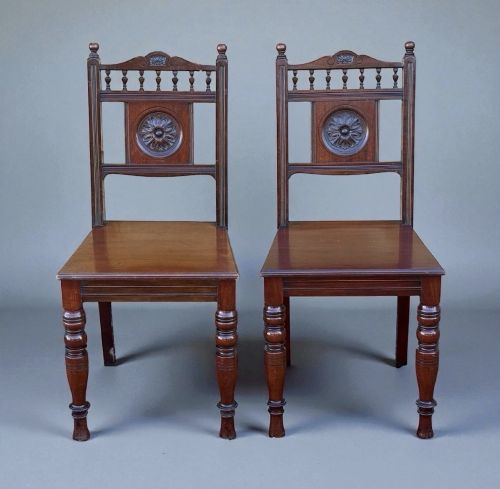
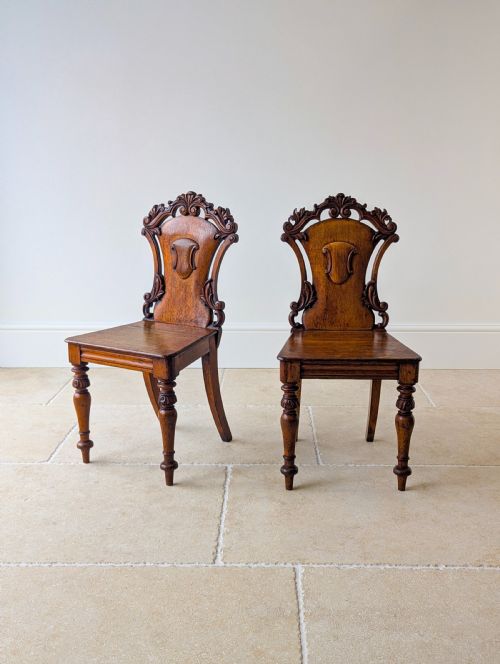
- A rigid wooden seat, often carved, designed for placement in a hallway rather than for long periods of lounging. Pairs of these chairs were commonly used to flank entrance doors.
- Boot Jack
- A small hinged device, often made of walnut or cast iron, used for pulling off boots without bending down. It represents a specific domestic utility item found in period hallways.
- Ebonised
- Wood finished with a dark stain or polish to imitate the appearance of ebony. This technique was frequently utilised during the Aesthetic Movement to create striking visual contrast.
Entrance Hall Furniture: Frequently Asked Questions
How were hall stands used?
Hall stands functioned as central storage points in the hallway for coats, hats, umbrellas, and walking sticks. The incorporated mirror allowed people to check their appearance before leaving the house.
Many designs also included small drawers for gloves or keys and marble shelves or trays to catch rainwater from wet umbrellas.
How do I identify Victorian hall chairs?
Victorian hall chairs are typically constructed from solid hardwoods like oak or mahogany and feature carved wooden backs without upholstery. They were built for durability and formality rather than comfort.
Examining the grain of the wood, the depth of the carving, and the construction methods helps determine the nineteenth-century period of origin.
Where should I place a console table?
Console tables are best positioned flat against a wall in an entrance hall or reception room where floor space is limited. Their narrow profile ensures they do not obstruct the walkway.
Pairing a console table with a wall-mounted mirror creates a balanced focal point that reflects light into smaller entryways.