


Engraved Sterling Silver Vinaigrette
An engraved sterling silver vinaigrette is a small pocket container designed for carrying aromatic vinegar, offering both functional charm and intricate craftsmanship.
Engraved Sterling Silver Vinaigrette
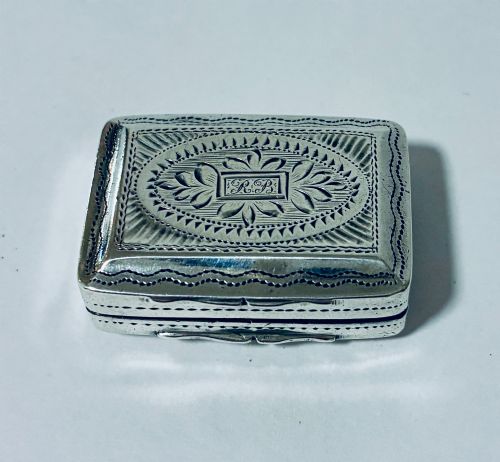
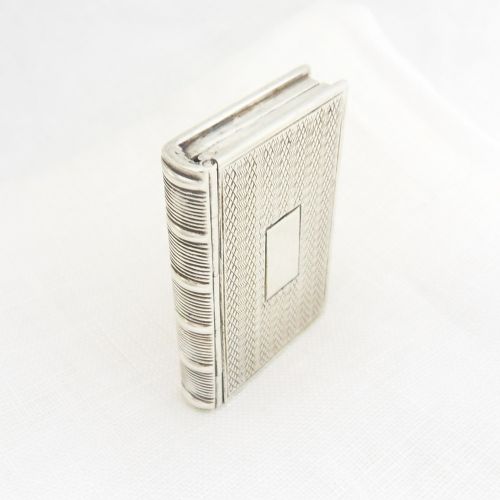
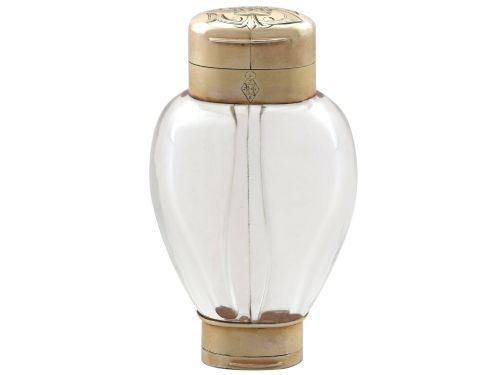
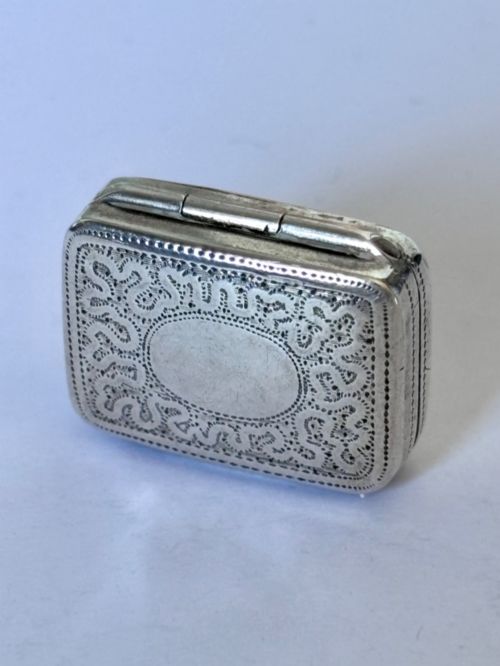
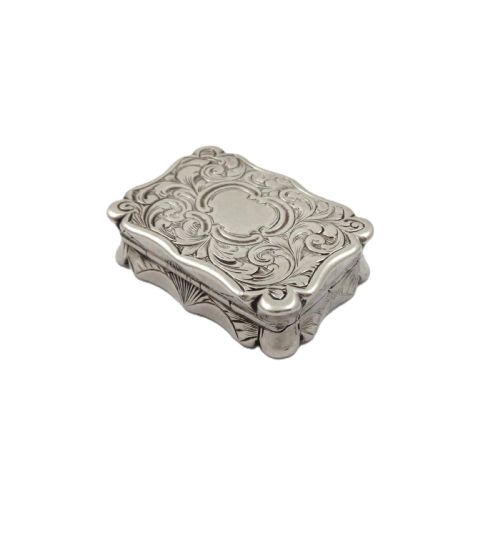
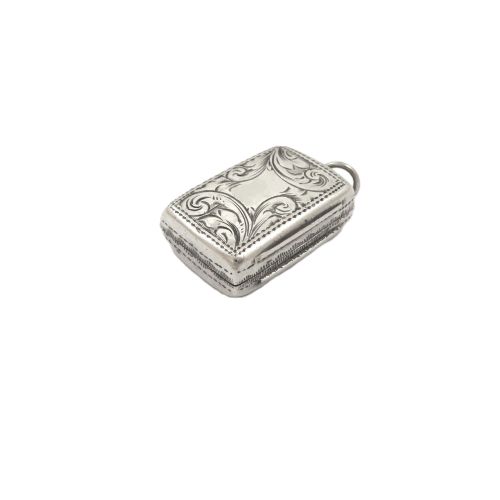
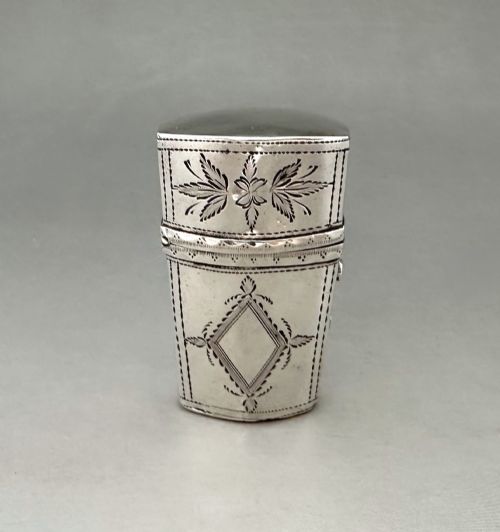
When you search for an engraved sterling silver vinaigrette, you encounter small pocket containers and boxes originating from the Georgian and Victorian periods. These pieces include miniature boxes and egg shape vinaigrettes designed to hold perfumed sponges.
The versions most likely to meet you on this page date from the eighteenth and nineteenth centuries, spanning eras such as William IV and the Victorian age. Makers utilised sterling silver and silver gilt, frequently incorporating decorative stones like agate.
How they were made
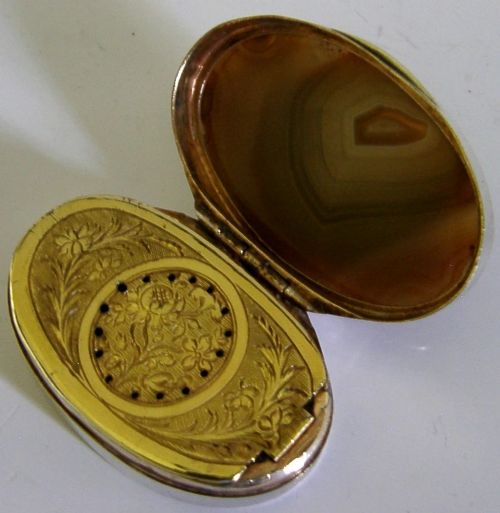
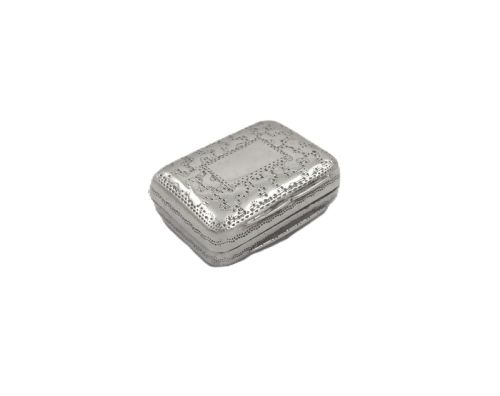
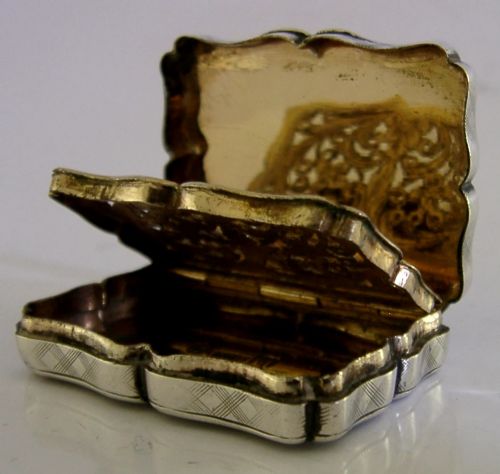
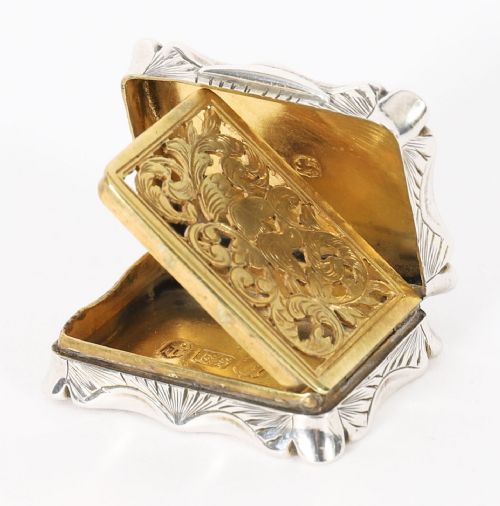
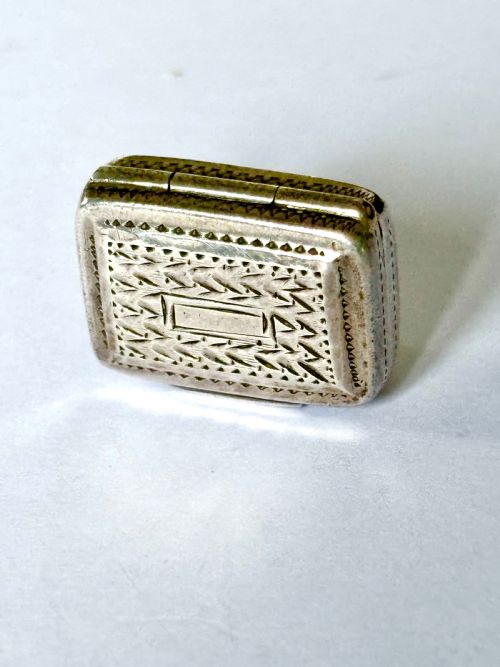
Silversmiths constructed these boxes using sterling silver, frequently applying gold gilding to the interior surfaces to protect the metal from corrosive vinegars. Exterior decoration relied on techniques such as bright cut engraving to pattern the metal surfaces.
Makers occasionally combined silver with inset agate stones or formed complex shapes like eggs and castle top designs. Internal grilles were pierced and engraved to allow the release of scent while holding the saturated sponge in place.
Listings feature sterling silver and silver gilt materials across Georgian and Victorian periods.
What varies in quality
The finesse of the exterior engraving largely determines the distinction between standard items and superior examples. Crisp bright cut lines and detailed architectural scenes, such as castle top depictions, indicate higher workmanship.
Internal gilding preservation and the intricacy of the pierced grille also separate pieces. Well executed hinge construction and clear hallmarks from notable silversmiths elevate the standard of the box.
THOMAS JOHNSON·Nathaniel Mills·Edward Smith·John Bettridge·Samuel Pemberton
The Engraved Sterling Silver Vinaigrette Glossary
- Vinaigrette
- A small ornamental box containing a perforated grille and a sponge soaked in aromatic vinegar. These were carried in pockets to counteract unpleasant odours.
- Silver gilt
- Sterling silver that has been coated with a thin layer of gold. This process protected the silver interior from the acidic nature of the vinegar.
- Bright cut engraving
- A surface decoration technique using faceted cuts to create a sparkling, geometric pattern. It was widely utilised on small silver items during the Georgian period.
- Castle top
- A style of silver box featuring a detailed topographical relief of a specific building or landscape on the lid. Christchurch College is one such architectural subject represented.
- Agate
- A decorative chalcedony stone often set into the lids of silver boxes. Its natural banding patterns provided colourful contrast to the polished metal.
Engraved Sterling Silver Vinaigrette: Frequently Asked Questions
What is a vinaigrette used for?
These small boxes held a sponge soaked in scented vinegar or smelling salts. People carried them in pockets during the Georgian and Victorian eras to mask foul odours in public spaces.
The perforated internal grille allowed the fragrance to diffuse when the lid was opened. They served as both personal accessories and decorative objects of refinement.
How do I identify a Georgian vinaigrette?
Georgian pieces typically display bright cut engraving, simpler geometric forms, or early makers marks stamped inside the box. Stylistic cues often align with the reigns of George III and George IV.
Materials from this period frequently include sterling silver with simple gilt interiors. Consulting hallmarks helps verify the specific decade of production.
How should I clean silver vinaigrettes?
Cleaning requires gentle care to preserve the original gilding on the interior and the fine exterior engraving. Avoid harsh chemical dips that can strip the gold wash from the silver.
Soft cloths and mild cleaning solutions maintain the metal safely. Professional advice is recommended if hallmarks or delicate hinges need preservation.