
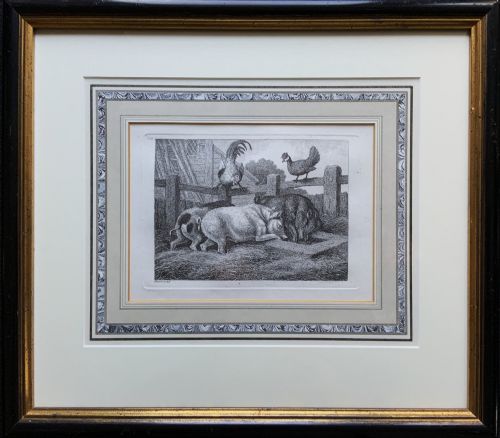
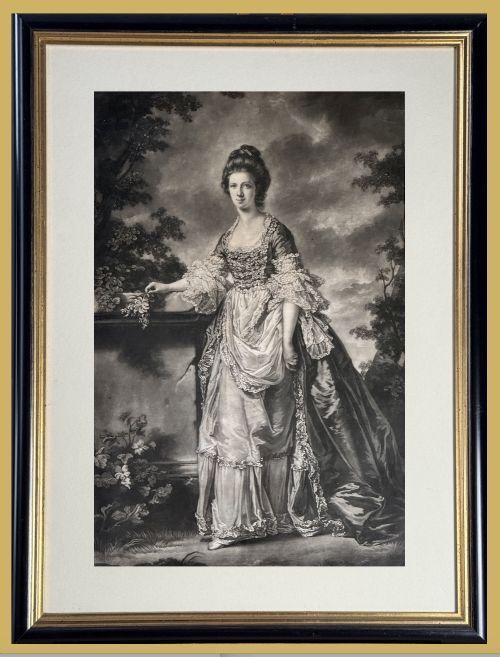
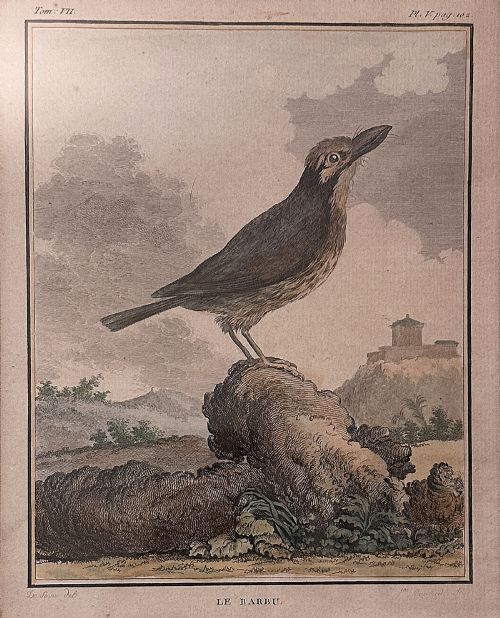
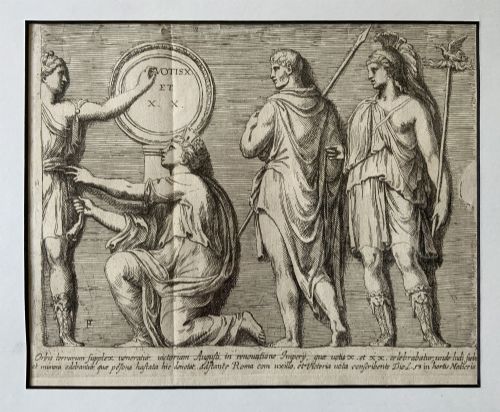

Engraved Paper Print
When searching for an engraved paper print, you are looking at historical works on paper captured through ink and plate.
Engraved Paper Print
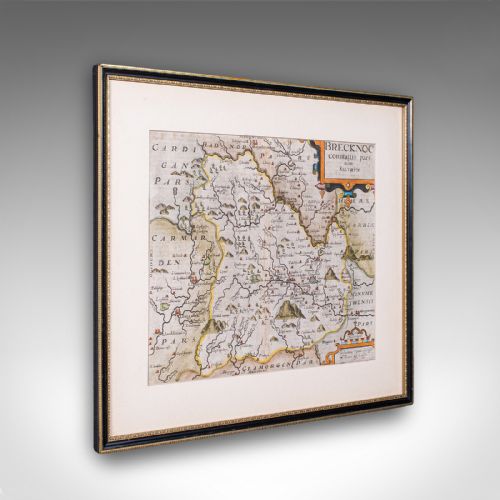
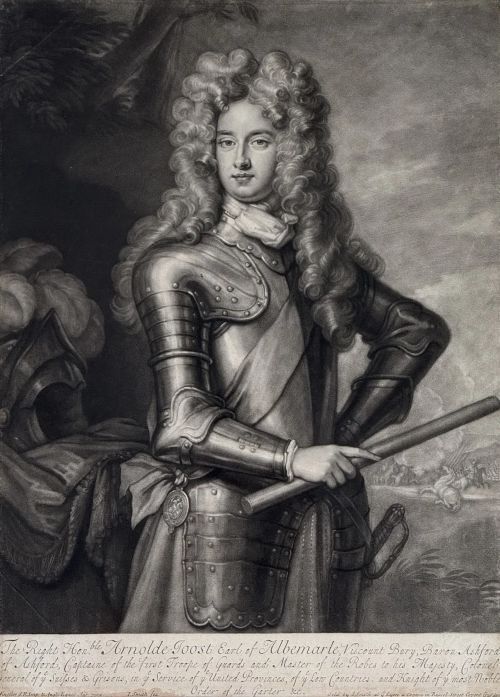
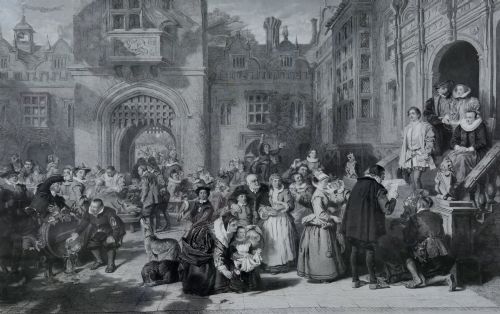
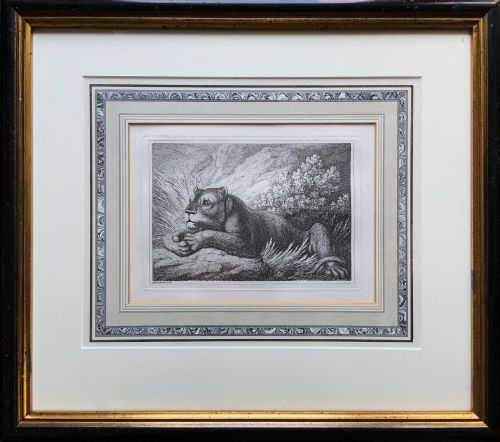
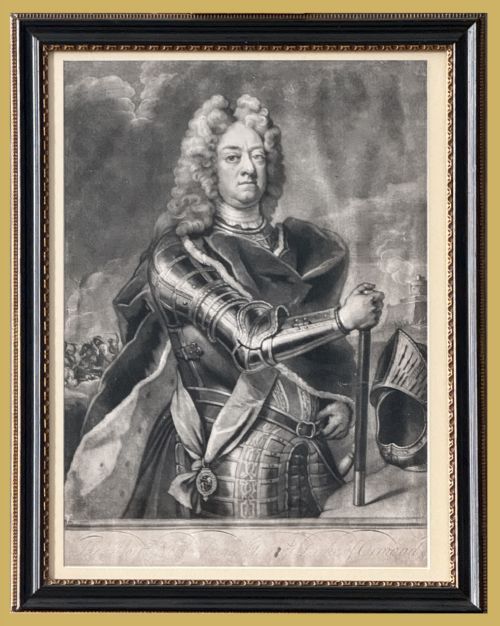
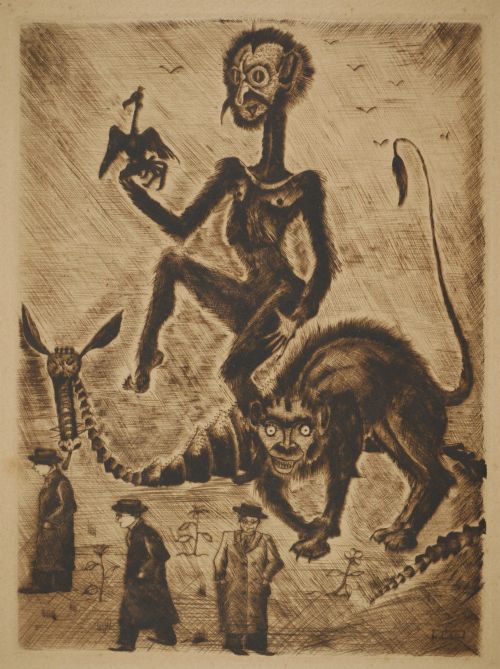
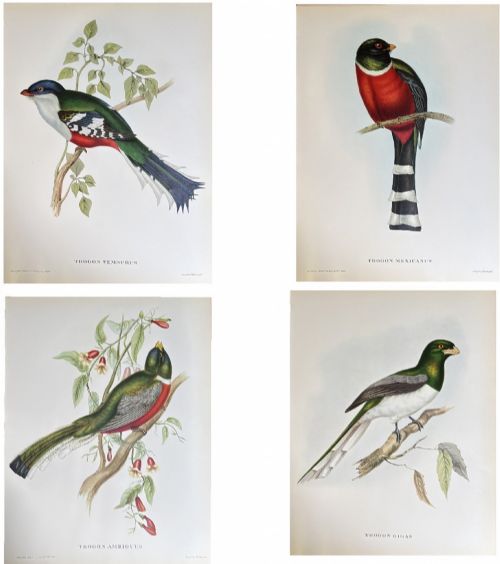
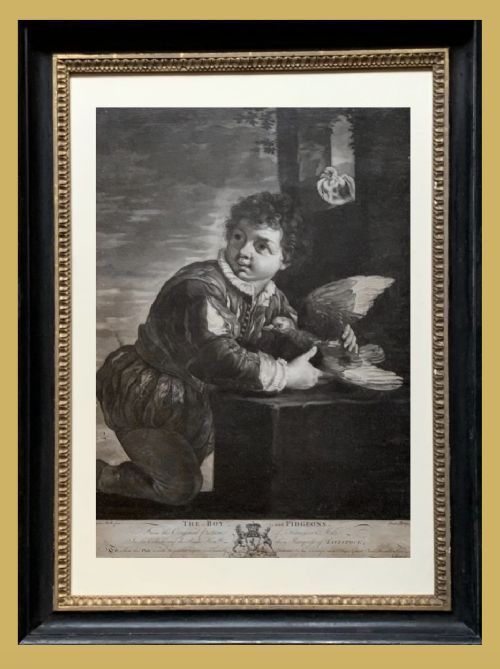
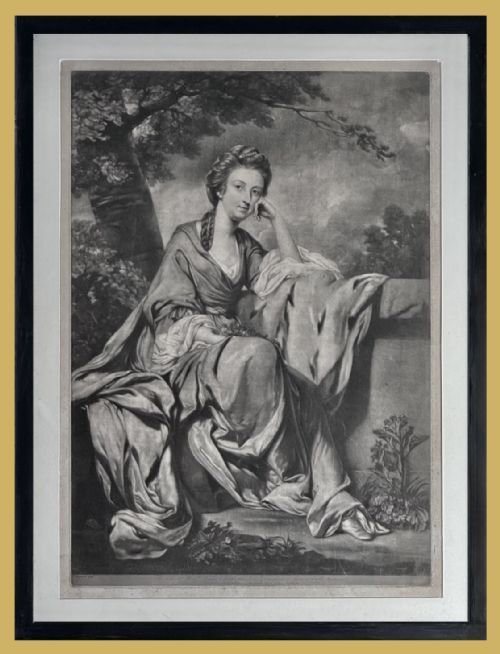
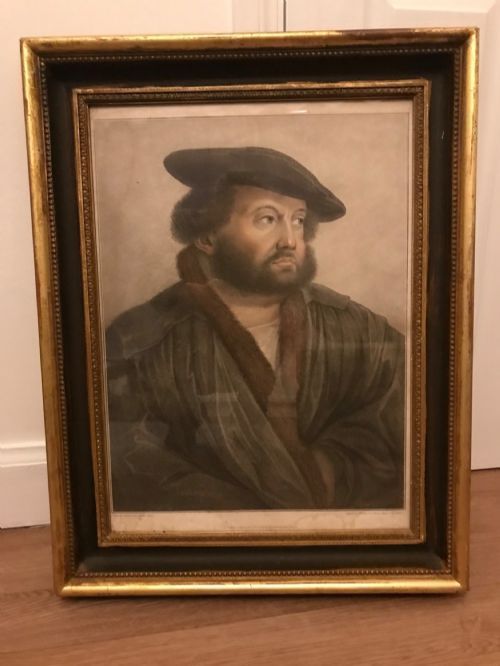
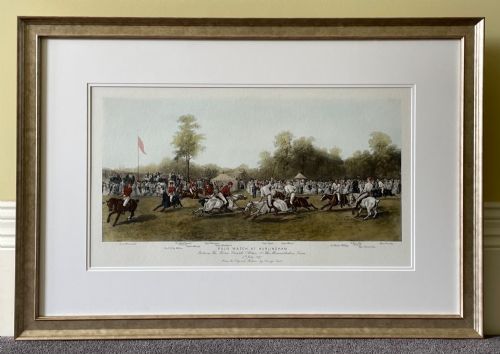
An engraved paper print captures historical subjects ranging from portraits and maps to architectural scenes and animals. These works appear across periods spanning from the seventeenth century through the Victorian era and into the twentieth century. Examples often arrive mounted in frames utilising glass, wood, or giltwood.
Portraits dominate the selection, frequently taking the form of mezzotints depicting nobility and notable figures after prominent painters. Alongside these, buyers encounter topographical maps, anatomical studies, and botanical illustrations on paper.
The objects take various formats, from individual framed sheets to sets of uniform prints. Origins stretch across British workshops and continental European presses, reflecting centuries of printmaking traditions.
Materials and methods
Makers utilised paper as the primary support, applying black or coloured ink through intaglio techniques such as engraving, etching, and mezzotint. Copper or metal plates received incisions or textured scraping to hold the ink before pressing onto damp paper.
Watercolour occasionally appears as hand-applied tinting over the printed lines to add colour. Finished sheets were frequently secured behind glass within wooden or gilt frames to protect the delicate paper surface.
Several seventeenth-century sheets preserve stubborn ink fingerprints left behind by printers who handled the wet plates centuries ago.
Distinctions in quality
Quality rests upon the crispness of the impression and the depth of the ink on the paper. Early strikes from a fresh metal plate reveal sharp lines and subtle tonal gradations, whereas later impressions lose definition.
The standing of the original artist and the skill of the printmaker influence the significance of the piece. Preservation of the paper sheet and the presence of period framing materials further separate standard examples from finer works.
John Smith·James Watson·Samuel Howitt·François Perrier·John Simon·Kurt Lorein Victor Peiser·John Boydell·Edward Fisher·Francesco Bartolozzi·Herbert Dicksee·Andrew Bell·James McArdell·Thomas Watson·Blaeu·Valentine Green·Robert Williams·Jacobus Howbraken·David Roberts
The Engraved Paper Print Glossary
- Mezzotint
- A printmaking process where the copper plate is roughened uniformly to produce rich dark tones and subtle graduations of light. This method was widely utilised for portraiture.
- Etching
- A technique where acid bites lines into a metal plate covered with a protective ground. The resulting plate holds ink to transfer the drawn image onto paper.
- Stipple engraving
- A method of creating an image on a metal plate using dots rather than continuous lines. This style produces soft tonal effects well suited to skin textures in portraits.
- Hogarth frame
- A distinctive style of wooden picture frame with a moulded profile, popular during the eighteenth century and frequently paired with period prints.
- Intaglio
- A printmaking category where the ink sits below the surface of the plate in carved or etched grooves. Pressure forces the damp paper into these recesses to pick up the ink.
Engraved Paper Print: Frequently Asked Questions
What is an engraved paper print?
An engraved paper print is a historical image transferred from an inked metal plate onto a paper sheet using a press. These works record portraits, maps, and scenes from past centuries.
Craftsmen created them using techniques like etching, mezzotint, and stipple engraving. They frequently survive framed behind glass.
How should I display prints at home?
Display these paper works away from direct sunlight to prevent the ink and paper from fading over time. Stable indoor humidity protects both the sheet and the wooden frame.
Mounting them behind glass shields the delicate paper surface from dust and atmospheric moisture. Traditional frames complement the age of the pieces.
How do I identify the period?
Dating relies on the paper characteristics, the printing technique, and the style of the portraiture or cartography. Seventeenth and eighteenth-century examples often feature specific laid paper types with watermarks.
Lettering beneath the image frequently records the names of the sitter, artist, and printmaker along with publication dates. Period frames also offer clues to the age of the piece.
Were these prints always framed?
Many prints were originally published unbound in sets or collected in portfolios rather than placed on walls. Owners later added frames to protect and display individual sheets.
Some pieces retain original period frames like Hogarth moulding or giltwood surrounds. Others are framed in later styles suited to modern interiors.