



Engraved Metal Pocket Box
An engraved metal pocket box carries the weight of personal history in brass, silver or gold.
Engraved Metal Pocket Box
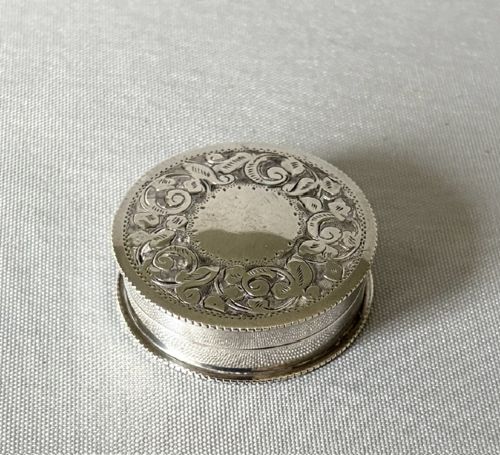
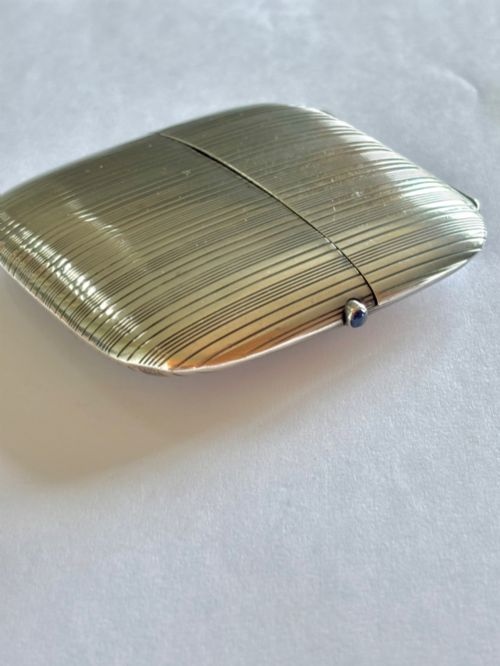
An engraved metal pocket box is a portable container designed for snuff, tobacco, pills or cigarettes, shaped to slip easily into a waistcoat or jacket pocket. When you search for an engraved metal pocket box, you encounter small utilitarian objects that served daily social rituals across the Georgian, Victorian, Edwardian and Art Deco periods.
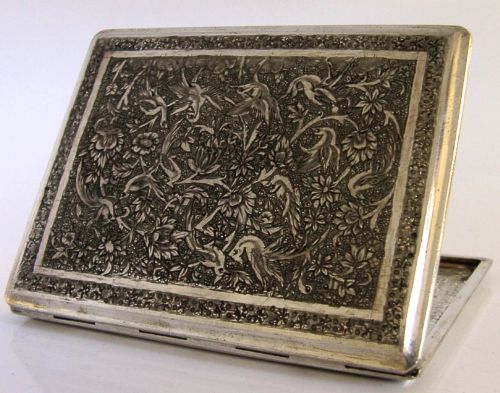
The versions most commonly met on this page are brass snuff boxes and silver cigarette cases, frequently inscribed with names, dates or personal dedications. They originate from British makers as well as continental European and Ottoman workshops, reflecting diverse regional tastes in metalwork and decoration.
Materials and technique
The primary metals used in these pieces are brass and sterling silver, alongside variants such as silver gilt, gold plate and 18ct gold. Metalworkers shaped these materials through sheet fabrication and casting, often incorporating gemstone cabochons or hinged lids designed for secure daily closure.
Surface decoration relies heavily on hand engraving, utilising fine lines to create scrolling patterns, heraldic motifs, borders and detailed inscriptions. Makers inscribed names, occupations and dates directly into the metal surface, combining structural utility with bespoke ornamentation.
Engraved Metal Pocket Box Retail Price Guide 2026
Typical asking prices for engraved metal pocket box among the pieces listed under this phrase on Sellingantiques today, from the lower quarter to the upper quarter. They describe what is for sale here now, not the wider market.
Listings feature brass, sterling silver, silver gilt, gemstone, 18ct gold and gold plate across Georgian, Victorian, Edwardian and Art Deco styles.
Quality variations
The distinction between standard utility items and exceptional works lies in the crispness and depth of the hand engraving. Superior pieces exhibit confident, precise line work that integrates harmoniously with the form of the box, whereas simpler pieces show shallower or more mechanical scratching.
Material substance and structural integrity define the upper tier of the range, seen in heavier gauge metals, well-fitted hinges that operate smoothly, and the inclusion of precious elements like silver gilt or gemstones. The presence of documented maker marks or significant historical inscriptions adds further distinction to individual examples.
The David McDonald
The Engraved Metal Pocket Box Glossary
- Silver gilt
- Silver that has been coated with a thin layer of gold on its surface. This technique provided the rich appearance of solid gold while utilising a silver base.
- Cabochon
- A gemstone shaped and polished with a smooth, rounded surface rather than faceted. These stones were frequently set into the latches or covers of decorative cases.
- Snuff box
- A small pocket container specifically manufactured to hold powdered tobacco. These boxes featured tight-fitting lids to preserve the dryness and aroma of the contents.
- Cigarette case
- A flat container engineered to hold standard cigarettes in orderly rows. They often incorporated internal elastic straps or metal arms to secure the contents during transport.
Engraved Metal Pocket Box: Frequently Asked Questions
What went inside these pocket boxes?
These containers held substances for personal consumption, most commonly snuff, loose tobacco, cheroots or manufactured cigarettes. Some smaller variants functioned specifically as pill boxes for daily medication.
Over time, the contents shifted as social habits changed from pinch tobacco use in the Georgian and Victorian eras to cigarette smoking by the Art Deco period.
How do I identify the period?
Dating relies on a combination of material choices, stylistic indicators and engraved inscriptions. Georgian and Victorian pieces frequently favour brass snuff boxes with named dedications, while Edwardian and Art Deco examples lean towards geometric silver cigarette cases.
Examining any visible hallmarks, assay marks or stamped dates provides definitive chronological evidence for precious metal pieces.
Were all boxes engraved originally?
Engraving was a popular method of personalisation rather than a universal feature of every manufactured box. Many pieces left the workshop plain, intended for the owner to add their initials, crest or a commemorative inscription later.
Inscribed details often record specific life events, names of places, or occupational references such as boiler makers.
How should I care for antique metal boxes?
Preserving these objects requires minimal intervention to protect the original surface patination and delicate hand engraving. Avoid aggressive commercial polishes that can wear away thin silver plating or soften engraved lines.
Store them in stable environmental conditions away from excessive moisture to prevent corrosion of base metals like brass.