

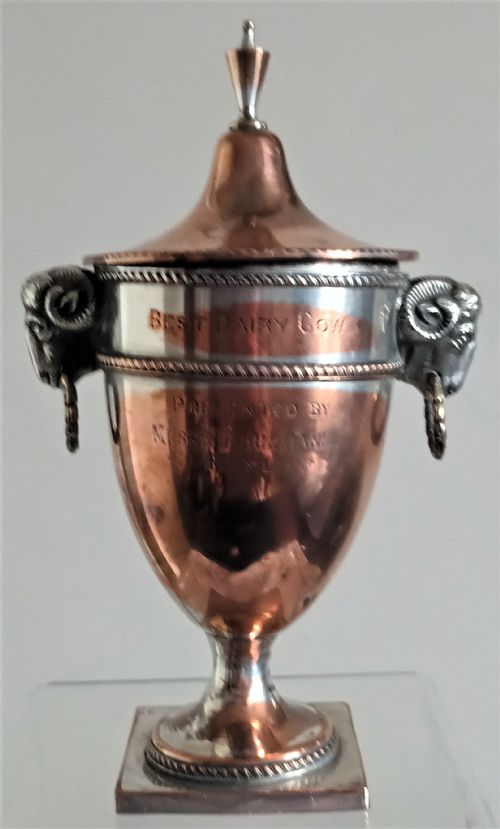


Engraved Metal Cup
These engraved metal cup pieces combine utility and ornament, offering tactile history in silver, copper, and bronze for daily use and display.
Engraved Metal Cup
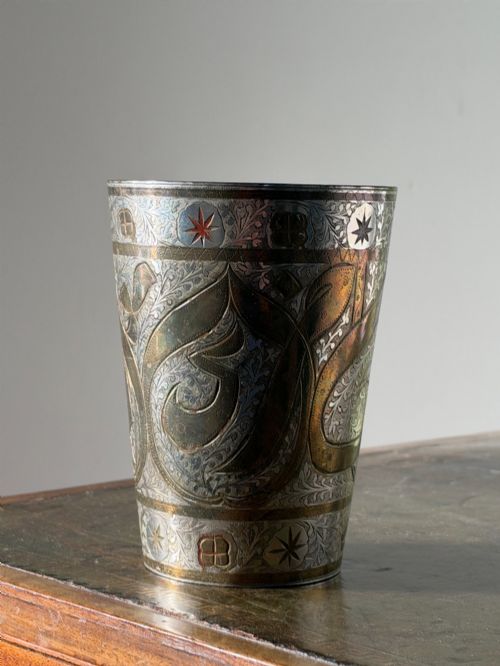
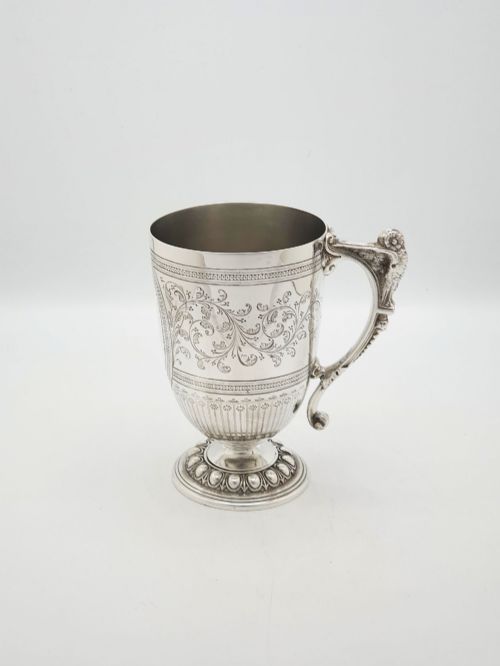
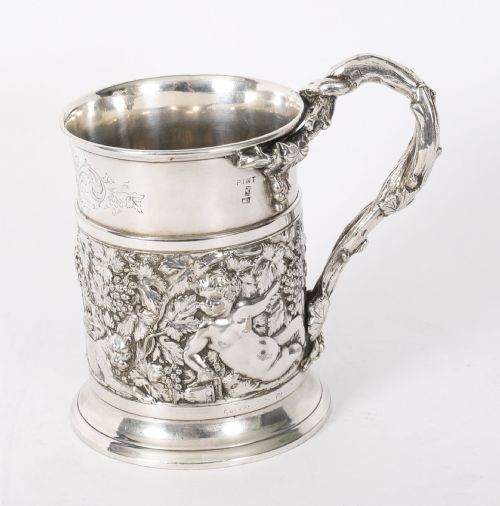
When you search for an engraved metal cup, you encounter a diverse group of drinking vessels and containers spanning several centuries of metalwork. The selection includes measuring standards, tankards, mugs, decorative urns, goblets, communion chalices, and loving cups.
Most items you meet on this page date from the eighteenth and nineteenth centuries, with Victorian and Georgian pieces forming the core. You also find earlier examples, such as sixteenth-century Franco-Spanish ciboria, alongside twentieth-century military mess hall cups.
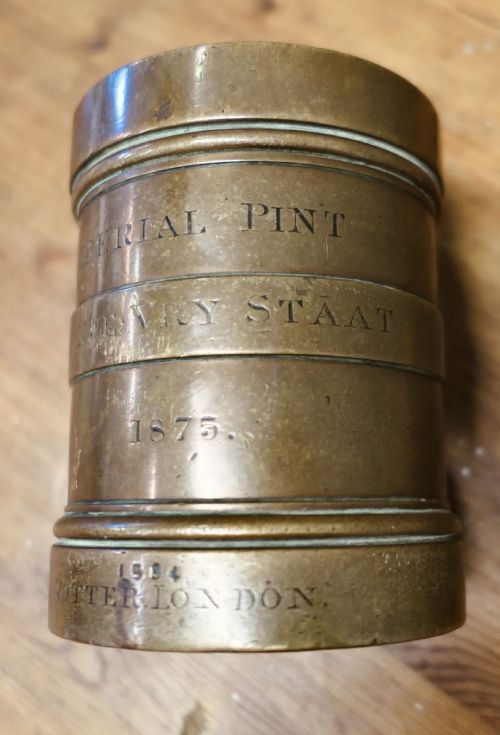
Origin and form vary widely, ranging from English Old Sheffield plate and bronze imperial pint measures to Anglo-Indian Kutch trophy cups. Each object bears the distinct marks of its period, whether through Gothic detailing, military associations, or intricate surface engraving.
How they were made
Maker techniques rely heavily on base metals like copper, brass, and white metal coated with silver or Old Sheffield plate, where a thin sheet of silver is fused to a copper core. Artisans also cast objects directly in bronze or shape them from solid silver.
Decoration is achieved through hand embossing and deep surface engraving, cutting patterns directly into the metal. Specialised elements, such as cast owl handles or applied gilding, demonstrate the detailed assembly required for these drinking vessels and urns.
Engraved Metal Cup Retail Price Guide 2026
Typical asking prices for engraved metal cup among the pieces listed under this phrase on Sellingantiques today, from the lower quarter to the upper quarter. They describe what is for sale here now, not the wider market.
Listings feature items spanning from the sixteenth century to the twentieth century, utilising materials from solid silver to base metal.
What varies in quality
Quality rests on the crispness of the hand engraving and the integrity of the base metal. Superior examples exhibit deep, clear tool marks and balanced proportions, whereas lesser pieces show worn ornamentation and thinning silver plating.
The sophistication of form and the presence of maker signatures or distinct regional styles elevate certain vessels. Better pieces maintain structural soundness alongside well-preserved surface decoration, while lower tiers suffer from heavy distortion and loss of detail.
Potter of London·G R Collis
The Engraved Metal Cup Glossary
- Old Sheffield Plate
- A composite material made by fusing a thin sheet of silver to a thicker copper base, common in eighteenth and nineteenth-century tableware. This technique often reveals lines of copper where the silver layer has worn thin through centuries of polishing.
- Ciborium
- A covered chalice-like vessel used in religious contexts to hold consecrated hosts, often richly engraved and gilded. These ecclesiastical pieces represent some of the earliest metalwork forms found in collection circles.
- Loving Cup
- A large communal drinking vessel typically featuring two or three handles, passed around among guests at banquets and celebrations. They appear in silver plate and other metals, decorated with surface engraving.
- Imperial Pint Measure
- A standardised metal vessel certified for measuring liquid volume, frequently stamped with official verification marks and manufactured in bronze or brass. These items reflect precise legal and domestic requirements of the nineteenth century.
- Tankard
- A tall, cylindrical drinking vessel with a single handle, sometimes featuring a lid or decorative motifs such as animal handles. They are encountered in silver plate and base metals from various historical periods.
Engraved Metal Cup: Frequently Asked Questions
What are engraved metal cups?
These pieces encompass historical drinking vessels, measuring standards, and ecclesiastical containers shaped from silver, copper, bronze, and plated metals. They feature hand-engraved surface decoration applied by artisans across different centuries.
They serve as both functional items and decorative objects, reflecting the domestic, military, and religious customs of their respective periods.
How were these cups used?
Historical uses range from daily tavern drinking and formal communal toasts to measuring liquid volumes in trade and holding sacramental elements in church services. Miniature urns functioned primarily as decorative mantel ornaments.
Over time, many of these vessels transitioned from active utilitarian service into display pieces collected for their craftsmanship and historical association.
How do I live with them?
Living with these metal vessels involves placing them on stable surfaces away from excessive moisture to protect exposed copper or silver plating. Gentle cleaning with appropriate metal care products preserves the engraved details without removing remaining plate.
They integrate well into traditional and modern interiors as decorative accents, floral containers, or prominent display items on bookshelves and sideboards.
How do I tell periods apart?
Dating relies on stylistic clues, manufacturing techniques, and engraved hallmarks that indicate Victorian, Georgian, or earlier periods. For instance, Old Sheffield plate construction points towards the eighteenth and early nineteenth centuries.
Heavy Gothic motifs or specific maker stamps help narrow down the era, while ecclesiastical items like ciboria often belong to sixteenth-century European traditions.