


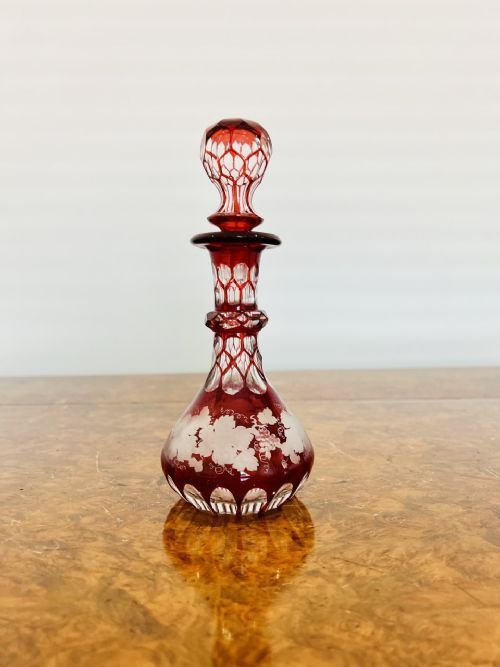


Engraved Glass Scent
Engraved glass scent bottles are portable Victorian and Georgian vessels for perfume, combining bright-cut silver work with coloured or clear crystal bodies.
Engraved Glass Scent
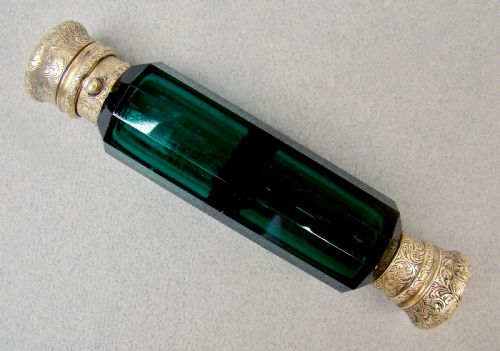
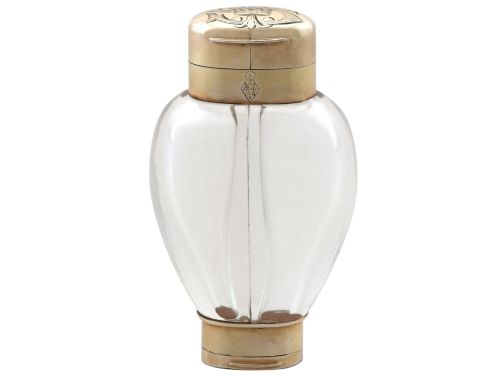
When you search for engraved glass scent bottles, you find small personal containers designed to hold perfume, often fitted with hinged silver caps or collars. The forms range from pocket-sized double-ended cylinders to larger vanity jars intended for the dressing table.
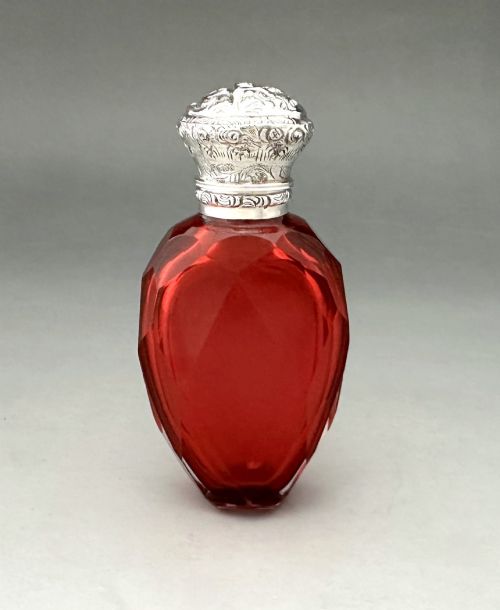
The pieces on this page mostly span the Victorian period, alongside earlier Georgian examples and Edwardian items. Common varieties include ruby glass, Bristol green glass, and cut lead crystal paired with sterling silver or silver gilt mounts.
Makers such as Sampson Mordan produced notable double-ended examples, while other pieces originate from French workshops or English assay offices like London and Sheffield. These objects served as essential personal accessories for carrying scent during the nineteenth and early twentieth centuries.
Materials and construction
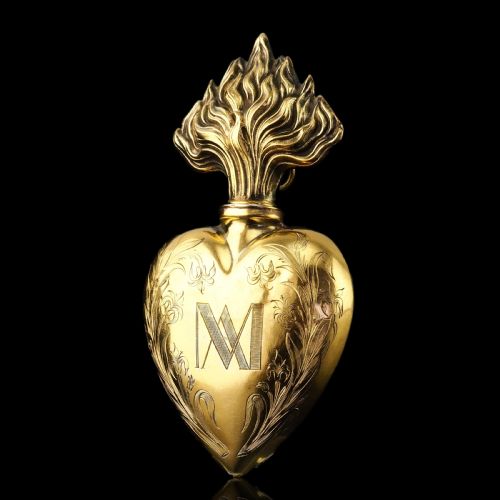
The bodies are formed from glass, utilising rich colours such as ruby and Bristol green alongside clear cut crystal that catches the light. Wheel-cutting and etching create surface patterns on the glass, ranging from geometric motifs to detailed floral or symbolic designs.
Silver and silver gilt provide structural support through collars, screw caps, hinged lids, and sometimes full outer cases. Engraved detail on these metal mounts complements the glass work, often featuring chased foliage or foliate scrolls characteristic of the period.
Engraved Glass Scent Retail Price Guide 2026
Typical asking prices for engraved glass scent among the pieces listed under this phrase on Sellingantiques today, from the lower quarter to the upper quarter. They describe what is for sale here now, not the wider market.
Victorian ladies relied on these tiny bottles of perfume to survive crowded drawing rooms and poorly ventilated train carriages with grace.
Assessing quality and craftsmanship
Quality in engraved glass scent bottles rests upon the crispness of the wheel-cutting and the depth of the metal engraving. Superior pieces display sharp facets on the crystal and precisely hand-chased silver mounts rather than pressed decoration.
The integration between the glass body and the metal collar reveals the maker's hand, with better examples showing secure, seamless fits. Hallmarks on the silver provide clear attribution to specific makers and assay offices, adding historical weight to the piece.
Sampson Mordan·S Morden and Co
The Engraved Glass Scent Glossary
- Double-ended scent bottle
- A vessel with two separate compartments and hinged lids at each end, allowing the owner to carry two different perfumes simultaneously.
- Silver gilt
- Silver that has been coated with a thin layer of gold on its surface, giving it a warm, rich tone often seen inside Victorian caps.
- Vinaigrette
- A small hinged box or container fitted inside a scent bottle or carried separately, containing a sponge soaked in aromatic vinegar to revive the user.
- Cut crystal
- High-clarity glass shaped by grinding and polishing facets onto the surface to enhance light refraction and visual brilliance.
- Bristol green
- A deep, vibrant shade of green glass historically produced in the Bristol area during the eighteenth and nineteenth centuries.
Engraved Glass Scent: Frequently Asked Questions
How do I use an antique scent bottle?
These vessels are designed for display and gentle handling rather than daily wear in a modern handbag. The stoppers and hinged caps protect the interior, but older cork seals or washers may be delicate.
Fill them sparingly with modern perfume using a small funnel if desired. Keep them upright on a dressing table to prevent any seepage from older closure mechanisms.
How do I date a glass scent bottle?
Dating relies primarily on the silver hallmarks found on the collars, caps, or outer cases, which indicate the assay office and year of manufacture. The style of the glass cutting and the colour also offer strong clues to the period.
Georgian pieces often display simpler, hand-engraved motifs, whereas Victorian items frequently utilise rich coloured glass and heavier cast mounts.
Were these bottles made for men or women?
Personal scent bottles were used by both Victorian ladies and gentlemen to mask unpleasant odours in public spaces or to carry smelling salts. Pocket-sized versions fit easily into a waistcoat or evening bag.
Larger vanity jars remained stationary on dressing tables for daily grooming routines.