


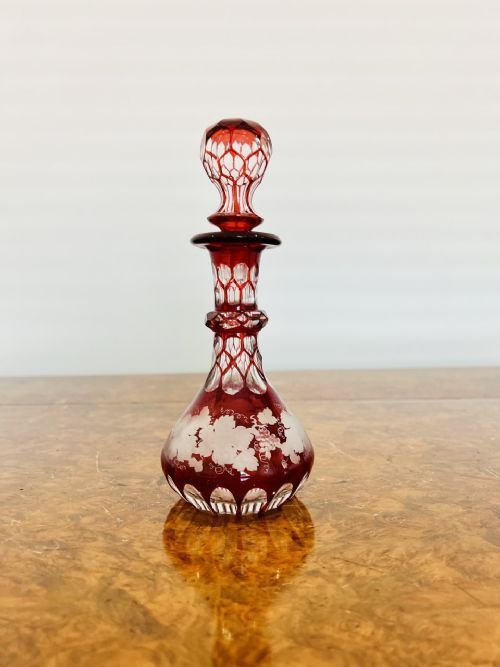


Engraved Glass Scent Bottle
These engraved glass scent bottle pieces combine brilliant cut crystal or coloured glass with chased silver mounts, offering portable elegance from the Georgian, Victorian, and Edwardian eras.
Engraved Glass Scent Bottle
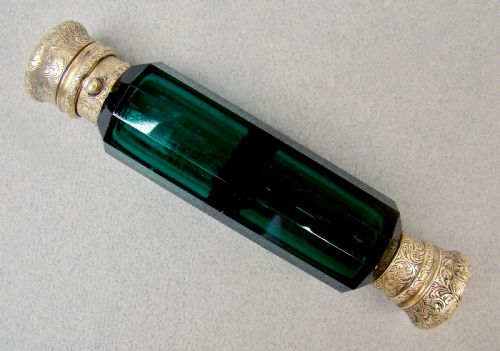
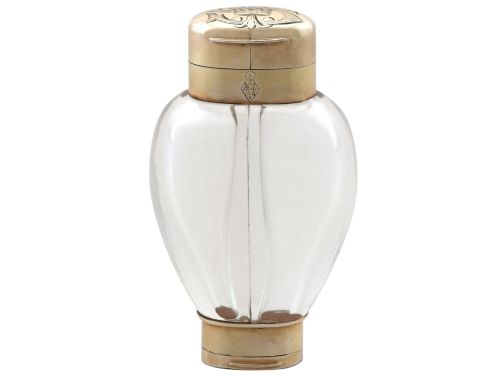
When searching for an engraved glass scent bottle, a buyer encounters small personal containers designed to hold perfume, smelling salts, or vinegar during the Georgian, Victorian, and Edwardian eras. These portable pieces range from single pocket flasks with silver collars to double-ended vessels and vanity jars intended for the dressing table.
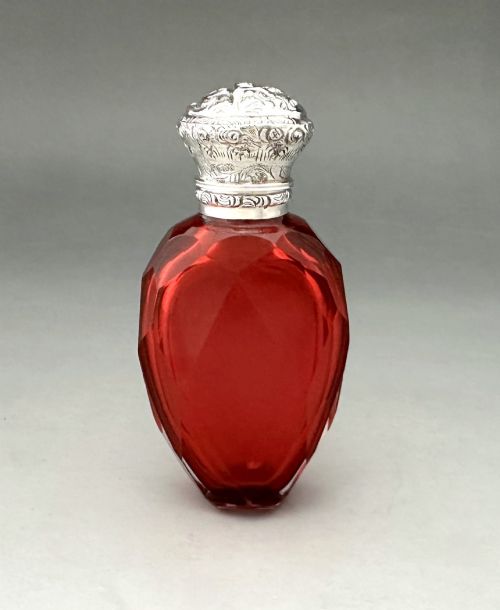
The versions most frequently met on this page date from the nineteenth century, particularly the Victorian period. They appear in rich jewel tones such as ruby glass, Bristol green glass, and amethyst glass alongside clear cut crystal and lead glass.
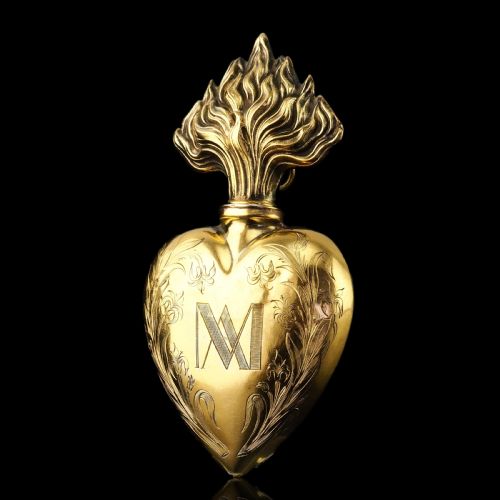
Makers and silversmiths combined engraved glass bodies with sterling silver, silver gilt, and fitted hinged caps. Examples include English and French pieces, featuring intricate hand-engraved floral details, geometric cuts, and Jacobite sympathy motifs.
How they were made
Glassmakers utilised traditional blowing and cutting methods to shape the vessel, employing lead crystal or coloured glass batches such as ruby, amethyst, and Bristol green. Artisans then applied wheel-engraving, etching, and deep facet cutting directly onto the exterior surface.
Silversmiths completed each piece by fashioning collars, caps, and double-ended hinged mounts from sterling silver or silver gilt. These metal components frequently received hand-chased or engraved surface decoration to complement the glass body.
Engraved Glass Scent Bottle Retail Price Guide 2026
Typical asking prices for engraved glass scent bottle among the pieces listed under this phrase on Sellingantiques today, from the lower quarter to the upper quarter. They describe what is for sale here now, not the wider market.
Listings feature pieces spanning the Georgian, Victorian, and Edwardian periods, utilising ruby glass, Bristol green glass, amethyst glass, and cut crystal.
What varies in quality
Quality rests upon the crispness of the wheel engraving and the depth of the glass cutting. Superior examples display sharp, well-defined facets and intricate hand-etched motifs rather than shallow or blurred surface marks.
The weight and integrity of the silver mounts also separate standard pieces from finer items. Hallmarked silver gilt work, robust hinges that seal tightly, and matching maker marks indicate superior craftsmanship.
SAMPSON MORDAN·S. Morden and Co
The Engraved Glass Scent Bottle Glossary
- Silver Gilt
- Silver that has been coated with a thin layer of gold on its surface. This technique provides the rich appearance of solid gold while utilising a silver base.
- Double-Ended
- A bottle design featuring a hinged cap at both the top and the bottom. This layout typically allowed the owner to carry two different liquids, such as perfume in one end and smelling salts in the other.
- Lead Crystal
- A type of glass containing a significant proportion of lead oxide. This addition increases the weight, refractive index, and clarity of the material.
- Vinaigrette
- A small ornamental container fitted with an internal pierced grille. It held a sponge soaked in aromatic vinegar to revive someone feeling faint.
Engraved Glass Scent Bottle: Frequently Asked Questions
How were these bottles used?
Victorian and Georgian owners carried these small vessels to refresh themselves in crowded rooms or during travel. The secure metal caps prevented volatile perfumes and pungent smelling salts from evaporating.
Double-ended versions allowed a lady to carry two distinct scents or a perfume alongside reviving salts within a single compact item.
How do I date an antique scent bottle?
Dating relies heavily on silver hallmarks stamped onto the collars, caps, or hinges. These assay marks reveal the exact year and city of manufacture.
Stylistic cues such as glass colour preferences, cutting patterns, and engraving techniques also help narrow down whether a piece originates from the Georgian, Victorian, or Edwardian era.
How should I clean antique glass and silver?
Cleaning requires a gentle approach using mild soapy water and a soft cloth to avoid scratching the glass surface. Care must be taken around delicate engraved details and historic silver mounts.
Harsh chemical dips should be avoided on silver gilt or antique metalwork to preserve the original finish and patina.