



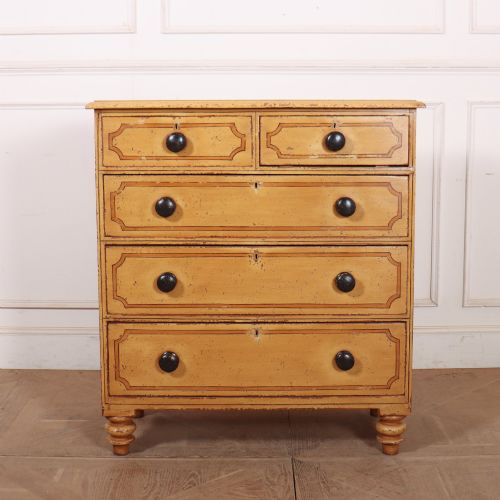

English Wooden Bureau
An english wooden bureau brings fitted writing compartments and drawers together, offering practical workspace rooted in centuries of cabinetmaking tradition.
English Wooden Bureau
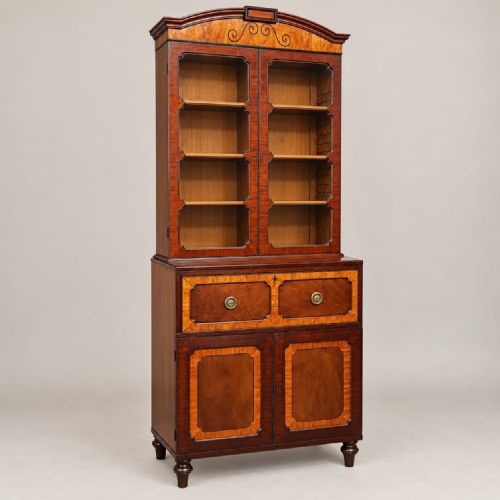
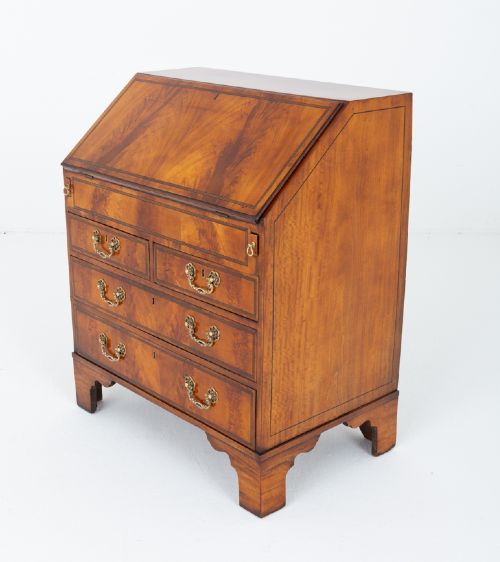
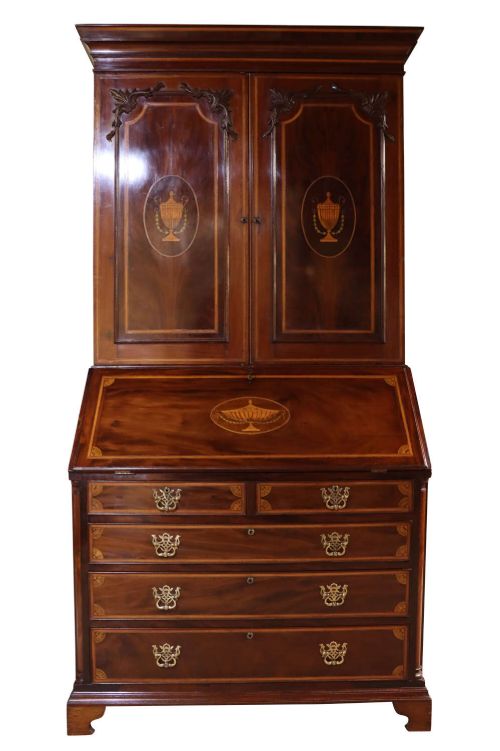
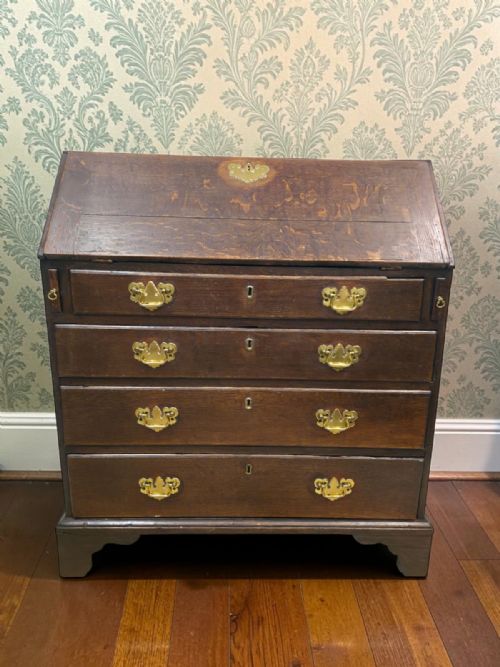
An english wooden bureau typically combines a writing surface with drawer storage, appearing across Georgian, Victorian, and later periods in forms such as fall-front desks and bureau bookcases.
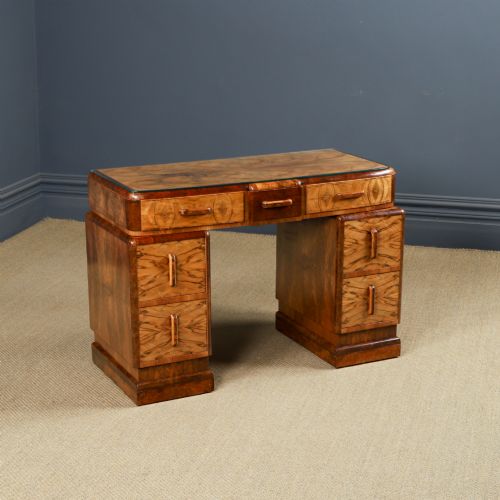
Makers produced these pieces in regional woods like oak and walnut, alongside imported timbers including mahogany and satinwood, spanning styles from English Country to Regency and Art Deco.
Buyers encounter variations ranging from compact country pieces to larger George IV and William IV designs fitted with interior pigeonholes and small drawers.
Materials and construction
Cabinetmakers constructed these writing pieces primarily from solid woods and veneers of mahogany, oak, walnut, and burr elm, often accented with satinwood or brass hardware.
Joinery techniques relied on dovetailed drawer construction and framed panels, supporting the weight of hinged fall-front writing flaps and heavy internal compartments.
English Wooden Bureau Retail Price Guide 2026
Typical asking prices for english wooden bureau among the pieces listed under this phrase on Sellingantiques today, from the lower quarter to the upper quarter. They describe what is for sale here now, not the wider market.
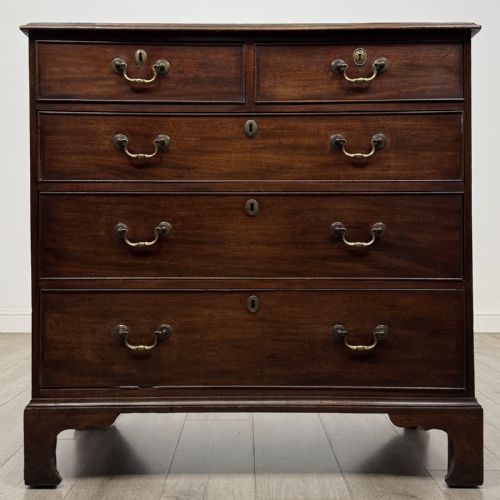
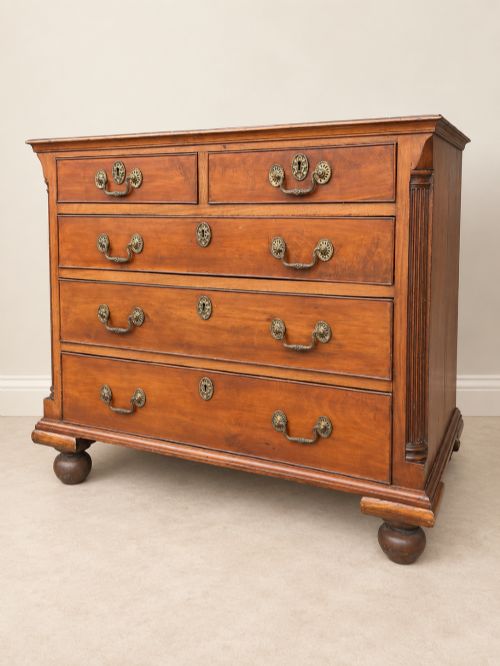
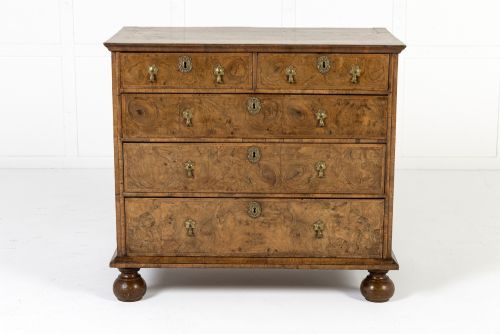
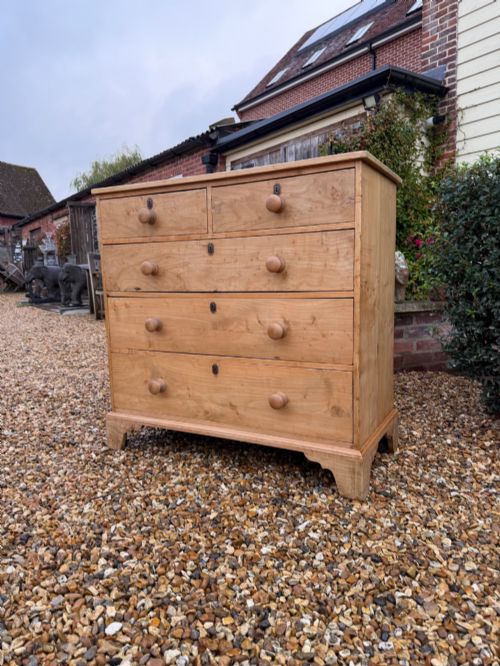
Listings feature oak, walnut, mahogany, and pine bureaux spanning the Georgian, Victorian, and Art Deco periods.
Execution and materials
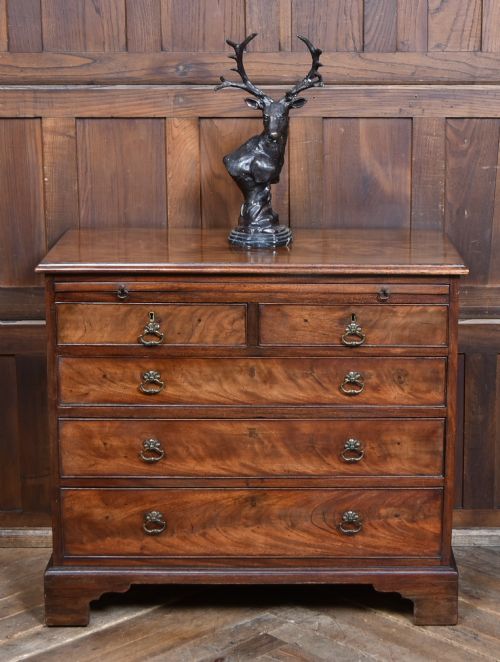
The standard of timber selection distinguishes simpler pieces from finer examples, particularly where burr walnut, mulberry, or figured mahogany veneers are matched across drawer fronts.
Interior complexity and the crispness of inlaid banding or carved mouldings indicate the level of craftsmanship invested in individual bureaux and desks.
Gillows·John Gregory London·George Faulkner Armitage
The English Wooden Bureau Glossary
- Bureau
- A writing desk featuring a sloping hinged flap that opens to reveal a fitted interior of small drawers and pigeonholes. This form evolved through the Georgian and Victorian eras.
- Fall-front
- A writing flap hinged at the bottom edge that pulls down to form a horizontal surface for writing. It conceals the internal compartments when closed.
- Secretaire
- A cabinet or chest incorporating a pull-out writing drawer or drop-front desk compartment. These often include specialised pigeonholes and hidden compartments.
- Feather-banding
- An inlay technique using veneer strips cut diagonally across the grain to form a herringbone pattern around drawer perimeters. It provides decorative contrast on walnut pieces.
- Kneehole desk
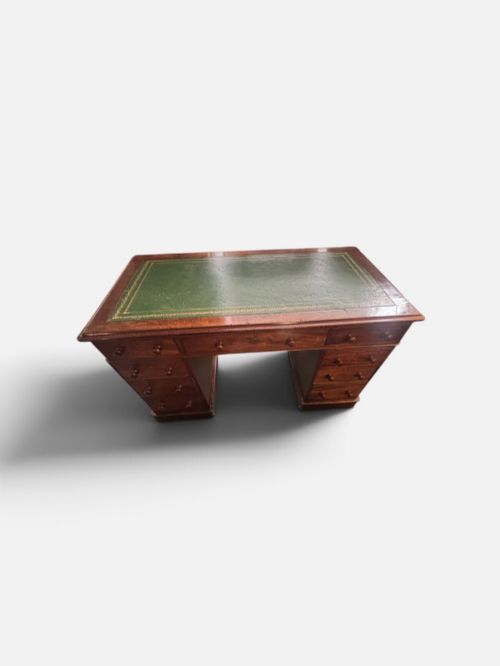
- A flat-topped writing table featuring a central recess for the user's legs, flanked by pedestals of small drawers. Examples appear in walnut and mahogany from the eighteenth century onward.
English Wooden Bureau: Frequently Asked Questions
How do I date an antique bureau?
Dating relies on examining the timber species, construction methods, and overall style. Walnut and oak predominate in earlier eighteenth-century examples, while mahogany and satinwood become common later.
Secondary woods inside drawers, handle styles, and dovetail construction help narrow down the period. Stylistic details such as bracket feet or inlaid banding further indicate whether a piece belongs to the Georgian, Regency, or Victorian era.
How were these desks used originally?
These desks served as private writing spaces for correspondence, household accounts, and record keeping. The sloping front kept writing implements and stationery enclosed and out of sight.
When opened, the flap provided a stable surface for writing letters by candlelight. The internal pigeonholes and miniature drawers kept documents organised before the advent of modern office furniture.
How do I care for a wooden bureau?
Maintain antique wooden surfaces by keeping them away from direct sunlight and heat sources, which can dry out timber and cause veneers to lift. Dust regularly with a soft, dry cloth.
Apply occasional appropriate wax polish to nourish the wood and preserve the finish. Avoid placing damp items or heavy liquids directly onto the antique writing surface.