

English Wooden Bench
An English wooden bench brings centuries of craftsmanship into a room, offering both practical seating and architectural presence.
English Wooden Bench
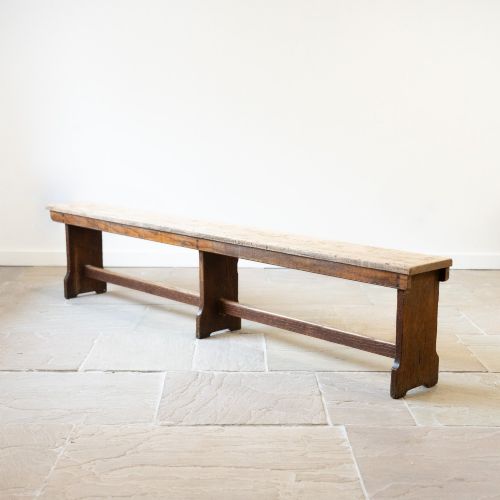
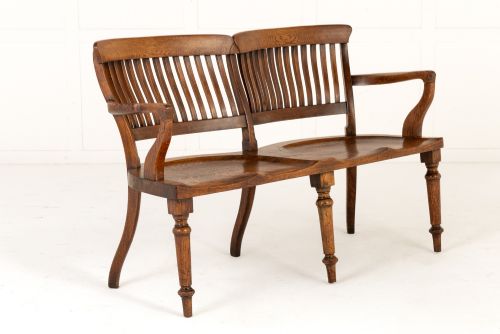
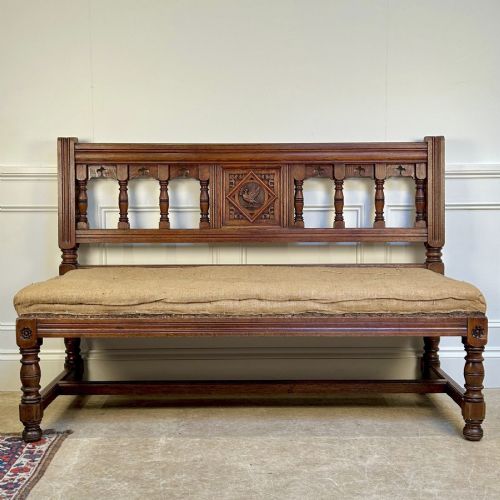
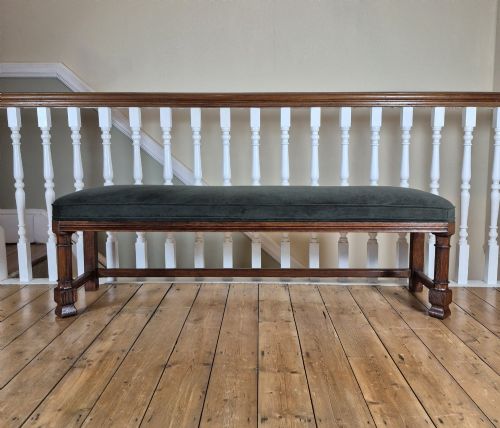
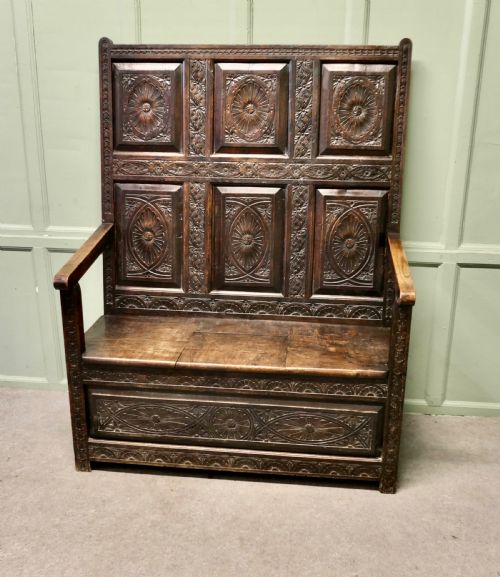
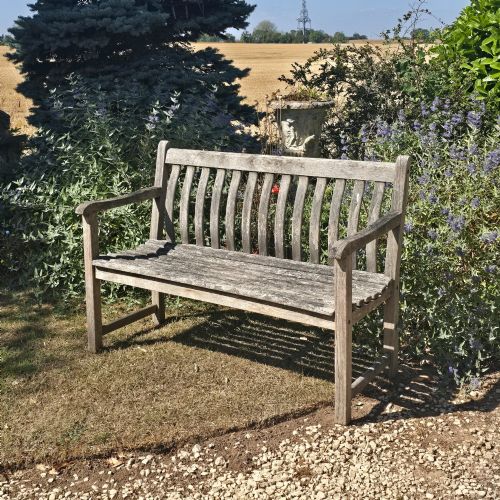
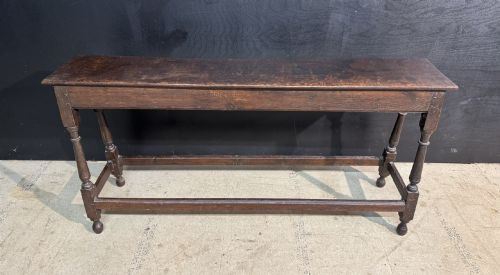
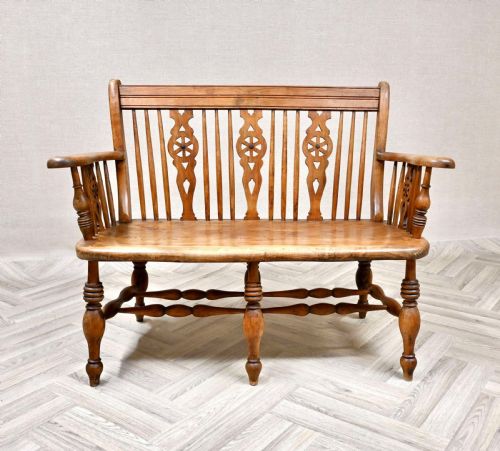
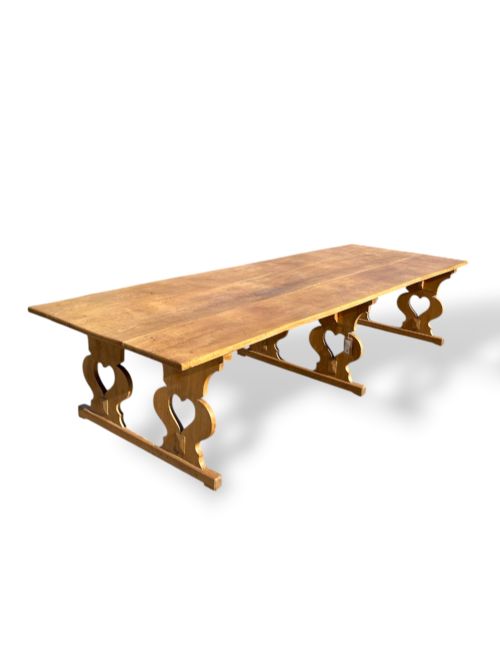
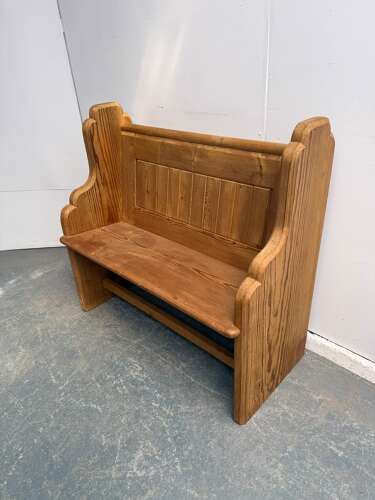
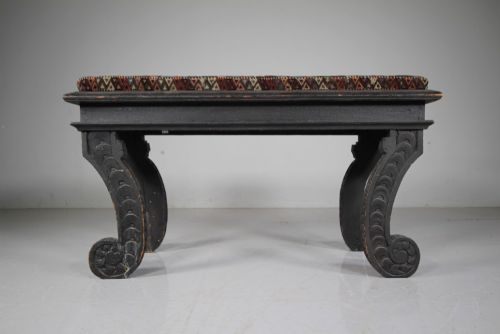
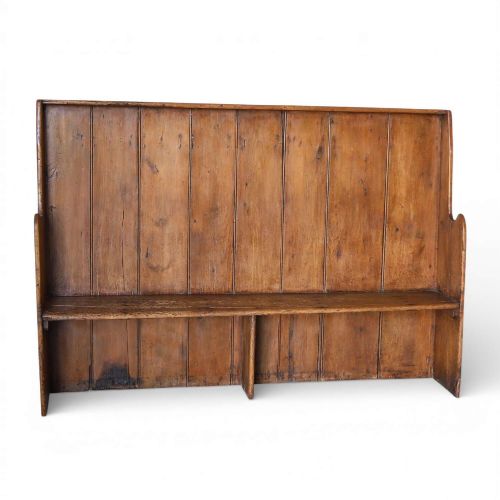
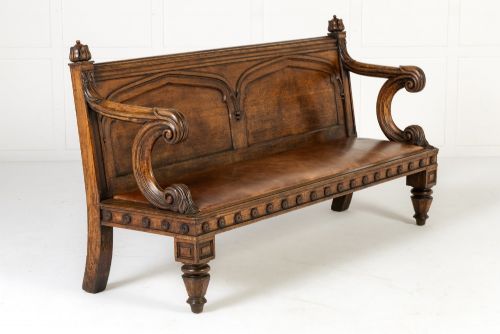
An english wooden bench encompasses a diverse array of forms, from high-back box settles designed to block drafts in seventeenth-century farmhouses to slender mahogany hall benches made for Regency townhouses. Buyers searching this phrase meet an abundance of nineteenth-century oak and pine examples, alongside earlier provincial elm pieces and sturdy Edwardian and Victorian variants.
Materials and Construction
Joinery relies heavily on durable hardwoods such as oak and elm, alongside softer pine and occasional accents of mahogany, walnut, brass, and iron. Pegged construction and solid timber boards define the earlier centuries, ensuring structural longevity without modern mechanical fasteners.
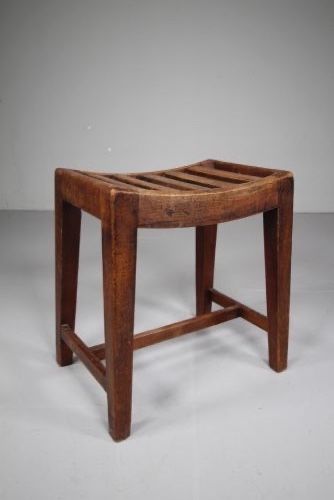
Surfaces show various finishes including traditional wax, honey brown patina, pale bleaching, painted treatments, and natural weathering from external use. Joiners utilised traditional mortise and tenon joints, hand-carved detailing, and slatted framing to shape each seat.
English Wooden Bench Retail Price Guide 2026
Typical asking prices for english wooden bench among the pieces listed under this phrase on Sellingantiques today, from the lower quarter to the upper quarter. They describe what is for sale here now, not the wider market.
Listings feature oak, pine, elm, and mahogany across centuries ranging from the seventeenth through to the twentieth.
Assessing Quality
Quality rests in the integrity of the timber, the depth of the natural patina accumulated over generations, and the crispness of any hand-carved ornamentation. Pieces retain their original proportions and structural framing without excessive timber replacement.
The sophistication of the joinery distinguishes standard utility items from high-status workshop pieces, such as those produced by notable makers. Minimal alteration and honest surface wear elevate an example above heavily restored alternatives.
GIllows·Harry & Lou Epstein
The English Wooden Bench Glossary
- Settle
- A wooden bench featuring a high back, solid arms, and frequently a box compartment beneath the seat to store household goods. This form protected occupants from cold draughts in older English homes.
- Joint Stool
- A sturdy low wooden seat constructed with mortise and tenon joinery using wooden pegs rather than metal nails. These precursor seats were common in sixteenth and seventeenth-century households.
- Box Settle
- A heavy oak bench with an enclosed lower section functioning as a chest. It combines storage with a protective high back.
- Patina
- The surface sheen and colour developed by wood over centuries through handling, waxing, and exposure to light. A good patina indicates untouched age.
- Windsor Bench
- A seating form employing turned spindles inserted into a solid carved wooden seat. This style adapts the classic Windsor chair construction into a long bench format.
English Wooden Bench: Frequently Asked Questions
Where should I place an antique bench?
An english wooden bench suits narrow hallways, large dining tables, or as a focal point beneath a window. Their narrow footprint allows them to fit flush against walls without dominating floor space.
In living areas or boot rooms, they provide practical seating while maintaining an understated historical presence.
How do I care for old wood?
Maintain timber surfaces by applying natural beeswax occasionally to nourish the grain and preserve the finish. Avoid placing antique wood near direct heat sources or in strong sunlight.
Dust regularly with a soft, dry cloth rather than using chemical sprays that can degrade historic wax layers.
What is a box settle used for?
Historically, a box settle served as a primary seat near the hearth, with the high back shielding residents from cold air. The lift-top seat provided secure storage for blankets, dry goods, or family valuables.
Today, the internal compartment functions well for storing shoes, linens, or everyday clutter out of sight.
How do I date an oak bench?
Dating relies on observing construction techniques such as pegged joinery, tool marks, and the presence of hand-carved motifs like linenfold or strapwork. Early pieces from the seventeenth century often feature heavy framing and simpler, robust proportions.
Later nineteenth-century interpretations frequently borrow Gothic or vernacular Revival styles, displaying machine assistance or lighter scantlings.