

English Wood Table
An English wood table brings centuries of craftsmanship into a room, offering both practical surface space and enduring character.
English Wood Table
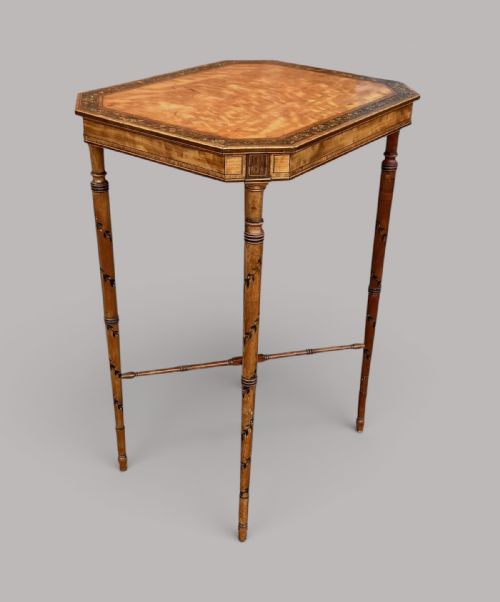
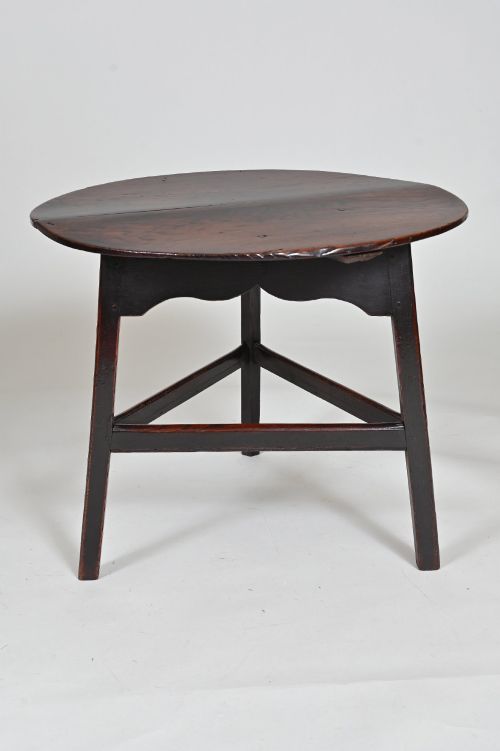
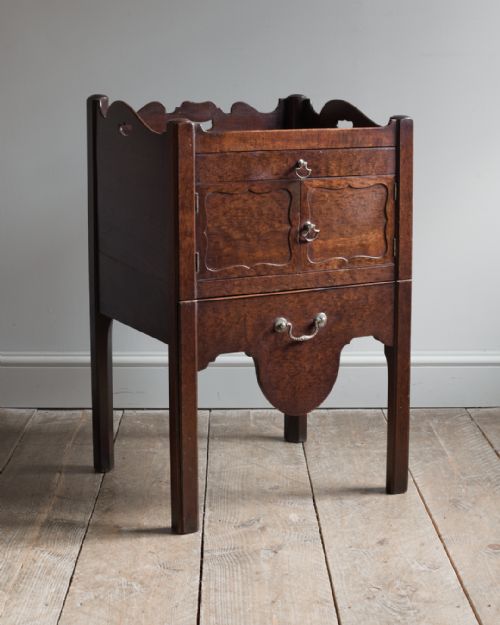
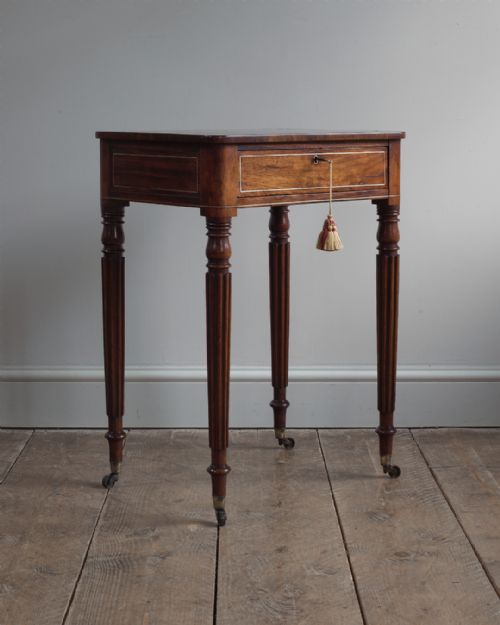
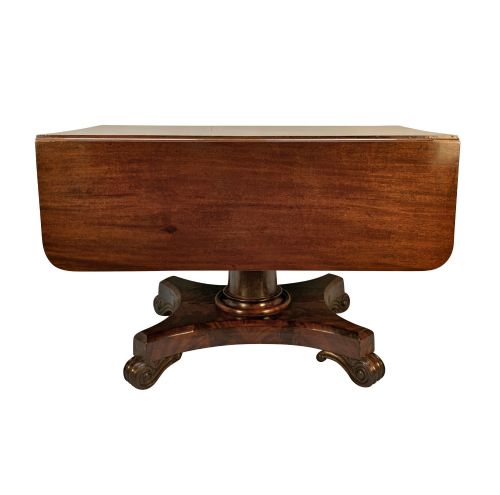
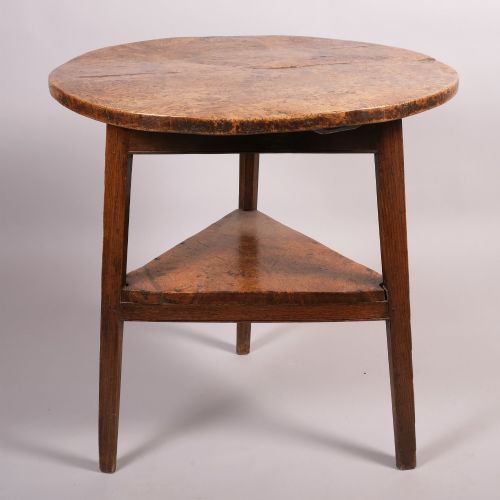
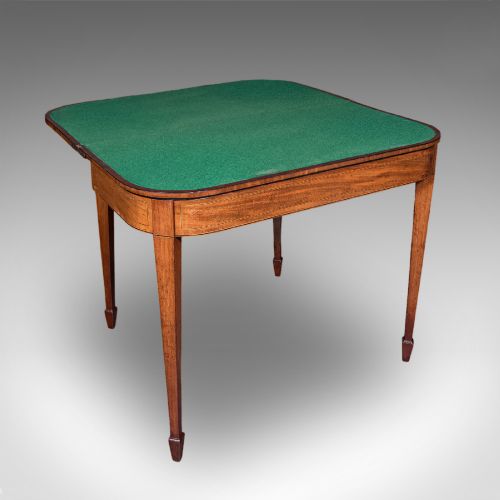
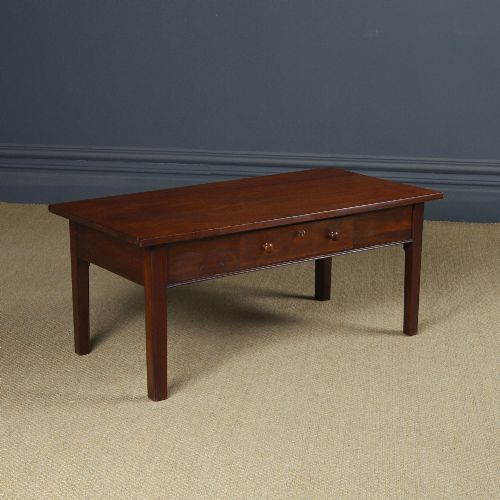
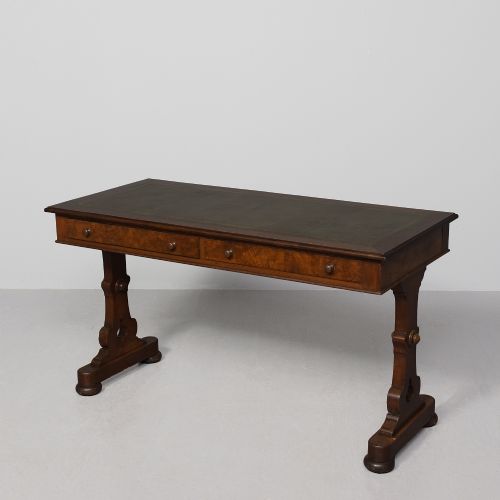
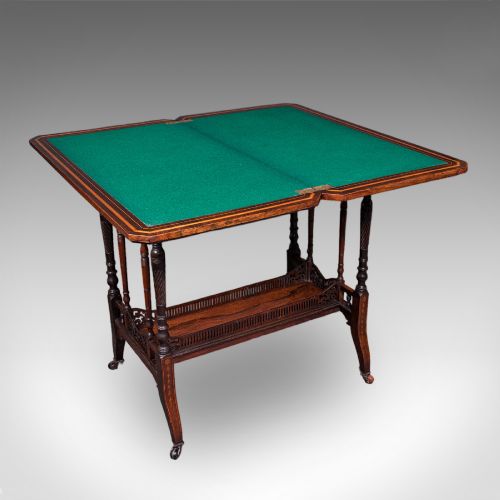
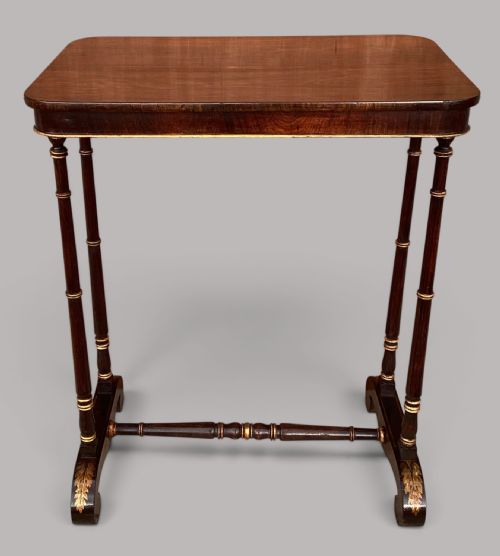
The most common examples on this page are dining and side tables rendered in mahogany, oak, and walnut. From robust oak cricket tables to elegant Regency mahogany bow fronted side tables and extending Victorian dining tables, these objects reflect the changing domestic needs and stylistic shifts of their eras.
Materials and Construction
Cabinet makers utilised a variety of native and imported timbers, predominantly relying on mahogany, oak, and walnut, alongside accents of burr walnut, birdseye maple, yew wood, elm, and tropical hardwoods such as gonçalo alves. These woods were selected for their durability and grain patterns, often enhanced through veneer work, inlay, and polished finishes.
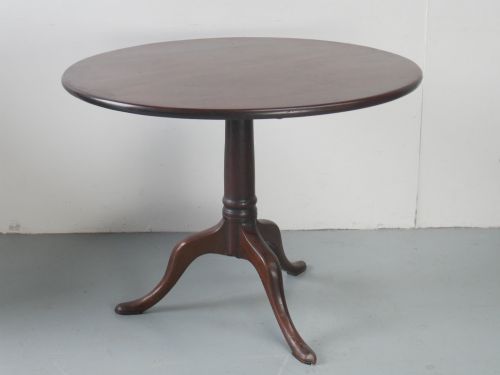
Joinery techniques ranged from traditional solid wood framing and pegged joints seen in earlier oak pieces to sophisticated turning, pedestal bases, and drop-leaf mechanisms developed in later centuries. Tables incorporate functional elements such as drawers, leaves for extension, and tripod supports designed to balance stability with refined proportion.
English Wood Table Retail Price Guide 2026
Typical asking prices for english wood table among the pieces listed under this phrase on Sellingantiques today, from the lower quarter to the upper quarter. They describe what is for sale here now, not the wider market.
Some tables double as sewing or hobby stations, proving past generations took their embroidery just as seriously as dinner parties.
Assessing Quality and Execution
Quality in these pieces is dictated by the selection of timber and the precision of the cabinet maker's joinery. Superior examples display well-figured grain, such as burr walnut veneer or dense mahogany, matched with robust internal construction that ensures structural integrity over centuries of use.
The refinement of carved details, the originality of turning and hardware, and the harmony of proportions distinguish finer workshop productions from simpler utilitarian items. The presence of original leaves on extending dining tables and the crisp execution of stylistic details further elevate the standing of a piece.
The English Wood Table Glossary
- Pembroke table
- A form of rectangular drop-leaf table with hinged flaps on either side, often featuring one or more drawers and developed during the eighteenth century.
- Tripod table
- A small table supported by a central pillar resting on three spreading feet, frequently utilised as a lamp or wine table from the Georgian period onward.
- Dresser base
- A low cabinet or sideboard featuring drawers and sometimes lower shelving, traditionally made from oak or elm in country houses.
- Extension leaves
- Additional panels inserted into a dining table mechanism to expand its surface area, allowing a table to accommodate larger gatherings.
English Wood Table: Frequently Asked Questions
How do I date an English wood table?
Dating relies on observing the timber species, construction methods, and stylistic cues characteristic of specific periods like the Georgian, Regency, or Victorian eras.
Changes in hardware, joinery techniques, and leg turning patterns help narrow down the decade of manufacture.
Were these tables used for dining?
Many forms on this page, including banquet dining tables, Pembroke tables, and farmhouse tables, served primary dining functions.
Smaller occasional, lamp, and wine tables were designed for holding items or serving drinks in parlours and libraries.
How do I care for antique wood furniture?
Maintain antique timber by keeping it away from direct sunlight and sudden temperature changes that can cause wood to warp or split.
Apply quality beeswax periodically to nourish the grain and preserve the polished finish without building up heavy residues.
What is the difference between a side table and a console table?
Side tables are generally freestanding pieces designed to sit against walls or beside seating to provide supplementary surface area.
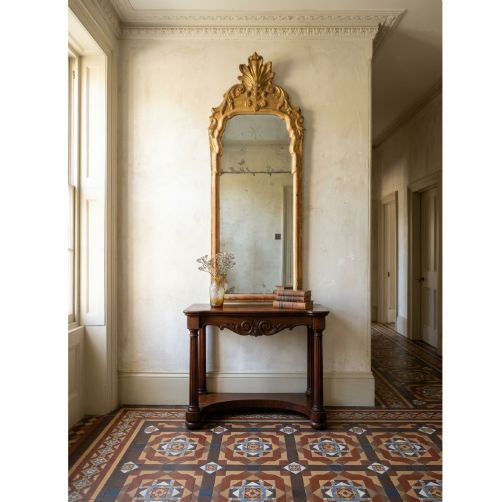
Console tables often rely on wall fixation for stability, though many English antique examples function independently as hall or side tables.