


English Watercolor Art
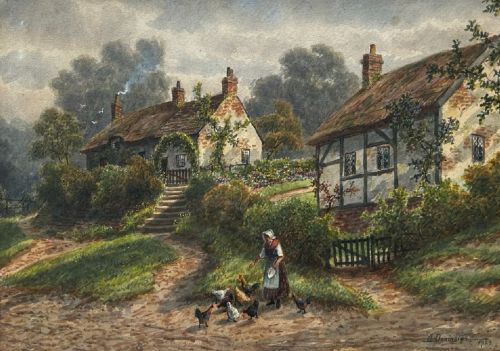
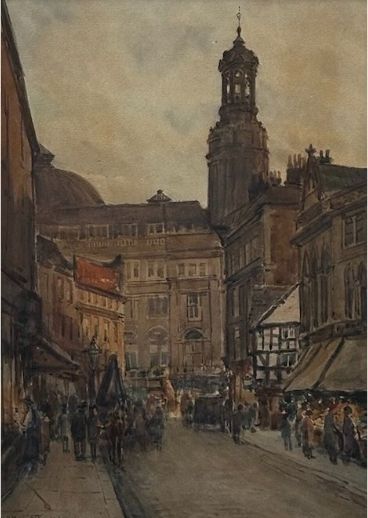
English watercolor art brings domestic scenery and townscapes onto paper through fluid washes, offering an intimate connection to historic British landscapes.
English Watercolor Art
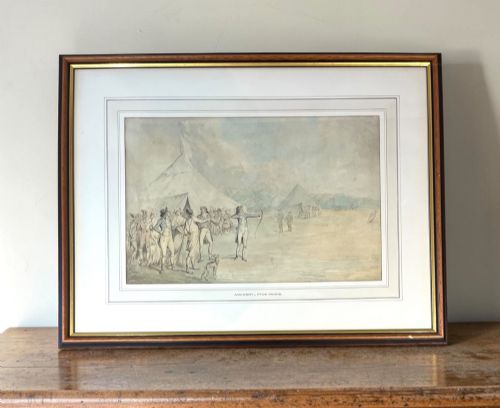
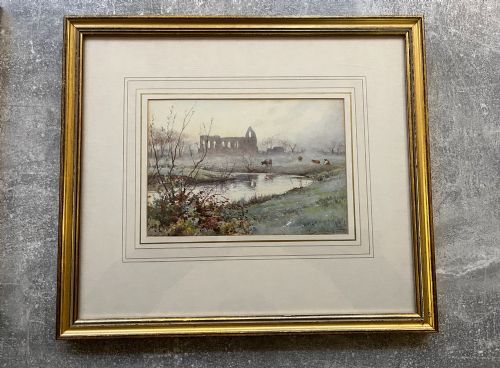
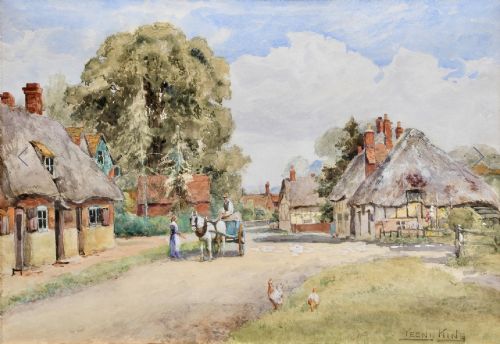
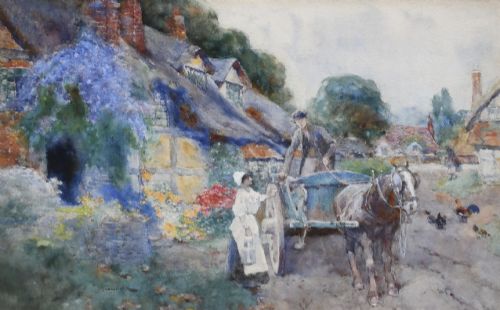
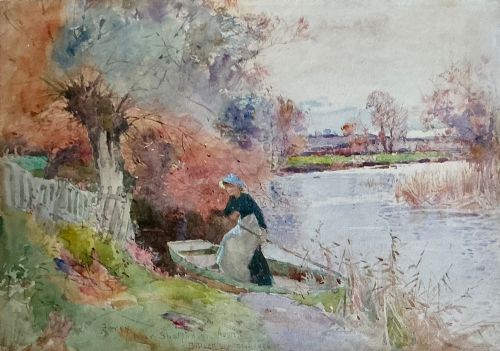
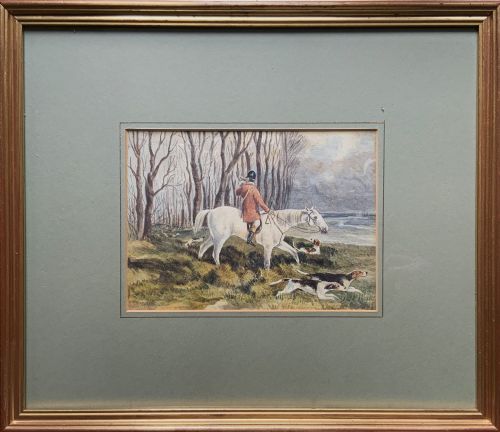
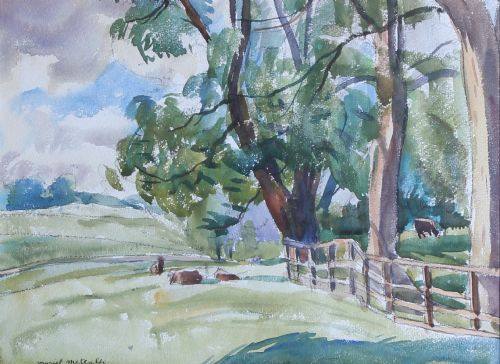
English watercolor art captures subjects ranging from serene pastoral landscapes and coastal fishing boats to detailed architectural townscapes and intimate family portraits. These works typically arrive on paper, often preserved beneath glass within period wooden or gilt frames that complement the delicate media.
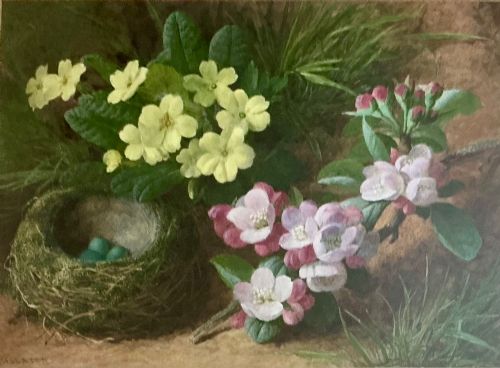
The pieces span centuries of British practice, with strong representation from the nineteenth century, the Victorian era, and Edwardian periods through to mid-century modern examples. Buyers frequently encounter landscapes depicting specific regional landmarks, country cottages, and lakes alongside charming botanical or still life studies.
Many items originate from named hands belonging to the British school, ranging from accomplished regional painters to exhibition artists recorded in historical catalogues. Anonymous works attributed simply to the English school also appear frequently, often demonstrating considerable technical skill in handling pigment and wash.
Materials and technique
Artists built these compositions primarily using watercolour pigment and ink applied to fibrous paper supports, sometimes adding bodycolour to create opaque highlights and dense areas of detail. Cut paper also appears in specialised silhouette work, combining paper manipulation directly with painted elements.
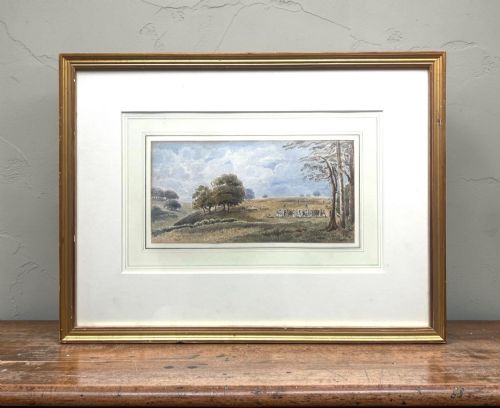
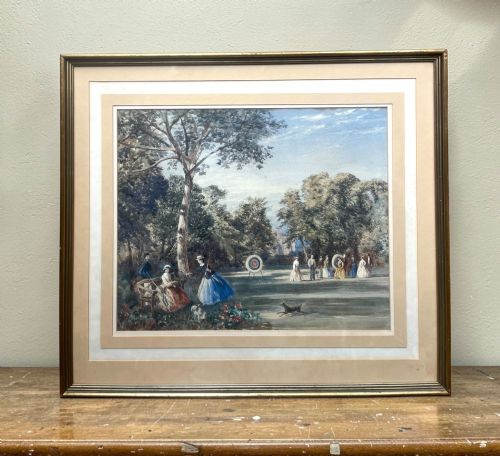
Framing materials reflect the period of creation, utilising wood, glass, and gold leaf or gilt finishes to protect the fragile paper surfaces from atmospheric damage. Mounts and backing boards often provide structural support while framing the artwork for display.
English Watercolor Art Retail Price Guide 2026
Typical asking prices for english watercolor art among the pieces listed under this phrase on Sellingantiques today, from the lower quarter to the upper quarter. They describe what is for sale here now, not the wider market.
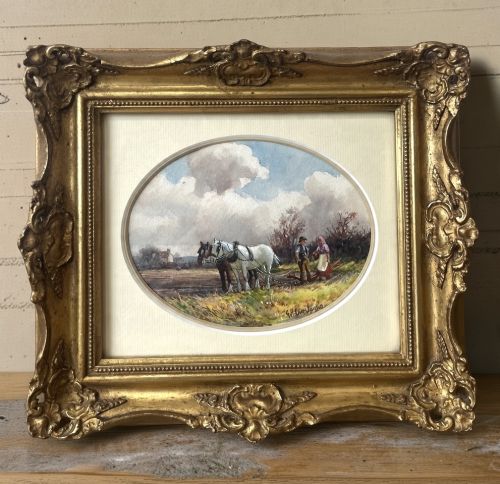
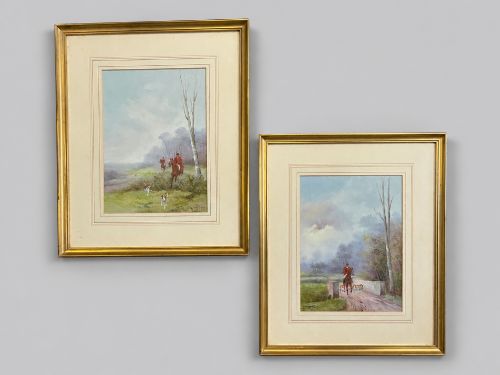
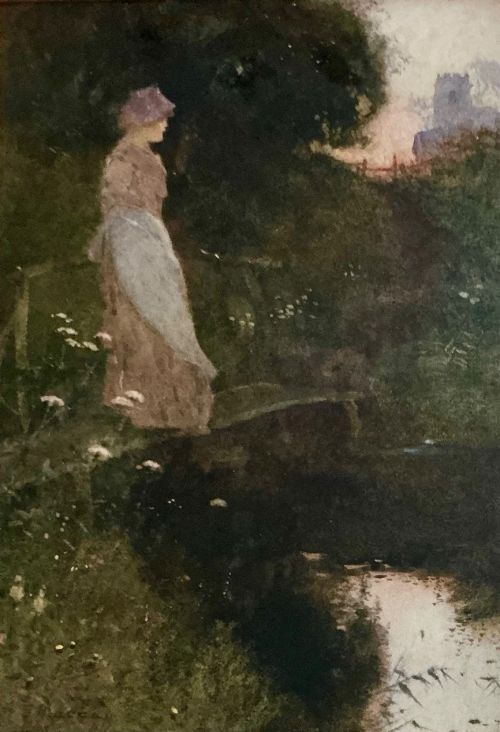
Hare, game, cows, and a solitary dog keep company with gentlemen, blacksmiths, and cathedral spires across these historic paper works.
Standards of execution
Quality rests upon the artist's control of wash and transparency, where confident brushwork creates luminosity and depth without muddying the paper ground. Strong composition and accurate perspective distinguish accomplished topographical and landscape studies from routine amateur output.
Condition plays a vital role in assessment, separating works retaining vibrant original pigments from those damaged by light exposure or dampness. The integrity of the original frame and mount also influences the overall preservation and presentation of the piece.
George Sydney Shepherd·William James Hubard·James Orrock·Alfred Young Nutt·Percy Lancaster·John McDougal·Robert Leslie Howey·William Banks Fortescue·Henry Silkstone Hopwood·Muriel Metcalfe·Vincent Clare·Fred Lawson·Robert Thorne Waite·John Smith Atherton·Ernest Arthur Rowe·Frederick Walker·George Oyston·Russell Sidney Reeves·Frederick Tatham·Bonomi Edward Warren·Charles Henry Slater·Herman S Melville
The English Watercolor Art Glossary
- Watercolour pigment
- Finely ground colour particles mixed with a water-soluble binder, used to create transparent washes on paper.
- Bodycolour
- Watercolour mixed with a white pigment to make it opaque, allowing artists to paint light highlights over darker washes.
- Portrait miniature
- A small, highly detailed painting capturing a likeness, frequently housed in an oval frame for personal display.
- Gilt wood
- Timber frames coated with a thin layer of gold leaf or metallic gilt, common in nineteenth-century presentation pieces.
- Topographical art
- Accurate visual recording of specific places, buildings, and landscape views, popular throughout the nineteenth century.
English Watercolor Art: Frequently Asked Questions
How should I hang english watercolor art?
Keep these works away from direct sunlight and damp environments to protect the fragile pigments and paper supports from fading or deterioration.
Ensure glazed frames hang securely on stable hooks using appropriate wall fixings suited to the weight of the timber and glass.
What subjects appear in these paintings?
The selections frequently feature English pastoral landscapes, coastal scenes, architectural townscapes, and botanical studies created during the nineteenth and early twentieth centuries.
Portrait miniatures and domestic interior scenes also appear alongside detailed studies of rural trades and local wildlife.
How do I date an antique watercolor?
Examine the framing materials, paper texture, and stylistic cues within the composition, comparing them against documented periods like the Victorian or Edwardian eras.
Signatures, dates inscribed by the artist, and framing labels on the reverse often provide definitive chronological clues.
Are these works always signed by the artist?
Many pieces bear legible signatures or studio initials, while others remain anonymous works attributed generally to the English school of a specific century.
Unsigned pieces often derive their attribution from period inscriptions on the backboards or stylistic similarities to documented works.