


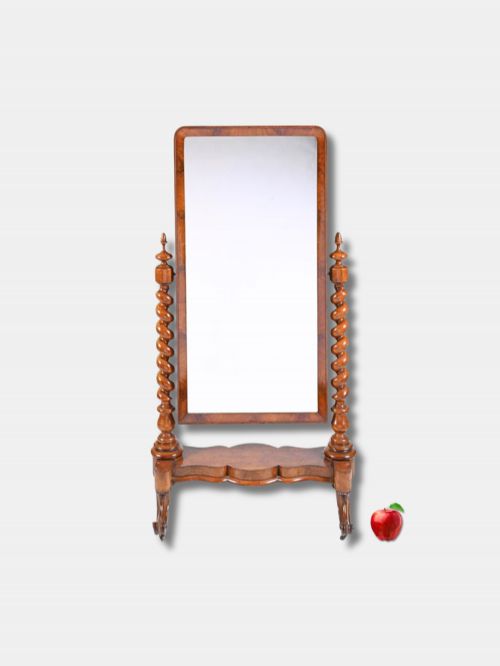
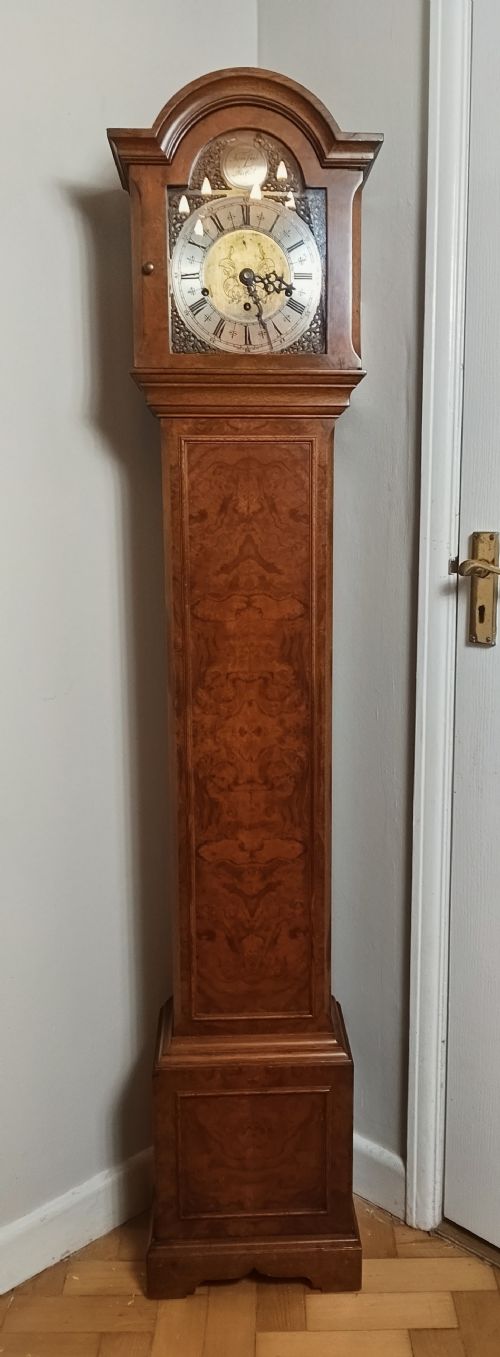

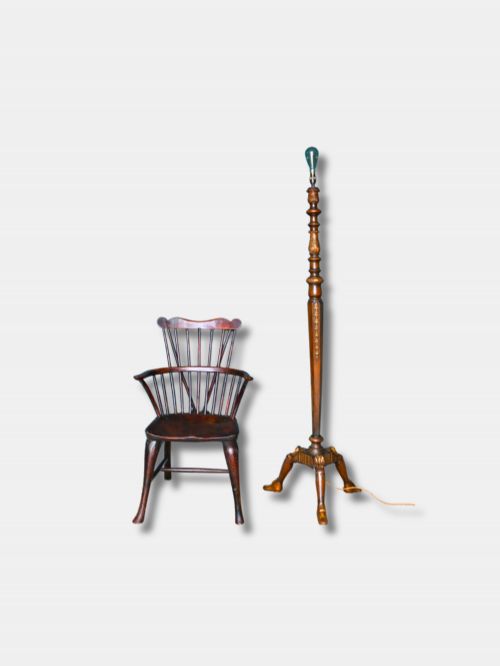


English Walnut Stand
An English walnut stand brings rich timber grain and architectural form to a room, serving as a versatile platform for display.
English Walnut Stand
When you search for an English walnut stand, you encounter a varied group of historical furnishings designed to hold items off the floor. These pieces span centuries of domestic life, taking forms from tall chests raised on legs to compact wine tables and specialised plant holders.
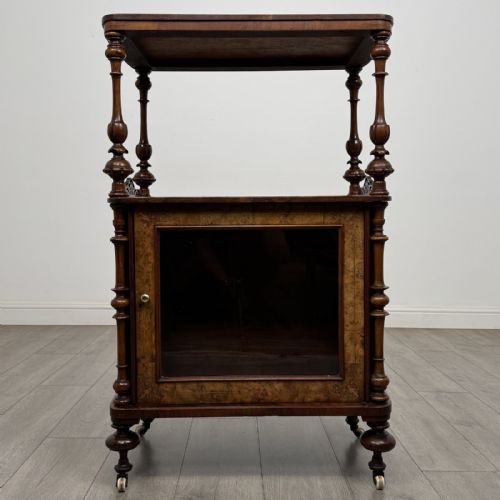
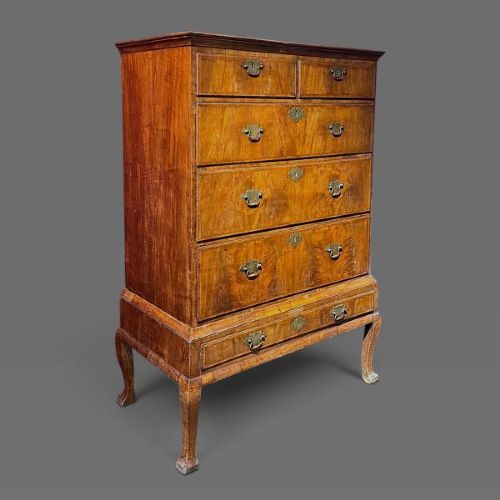
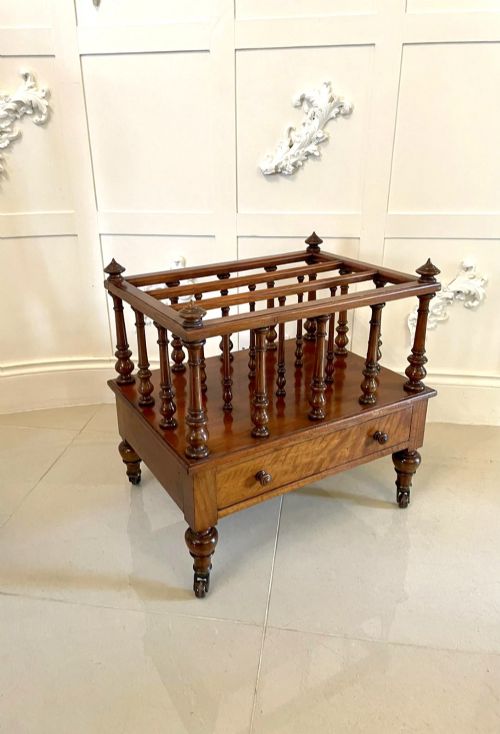
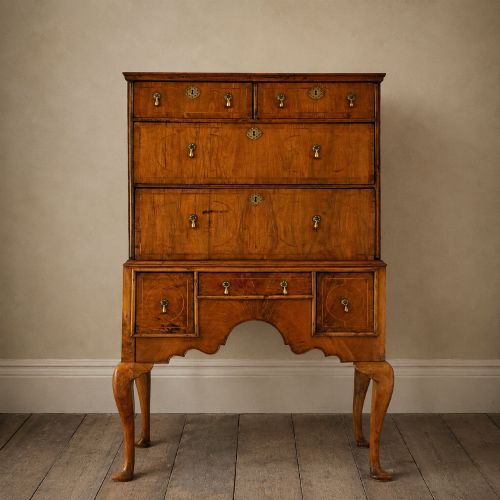
The versions you meet most frequently on this page include elegant chests on stands from the Georgian and William and Mary periods, alongside Victorian canterburys, torcheres, and occasional tables. Each design reflects the changing domestic habits of its era, from storing linens to displaying ornaments.
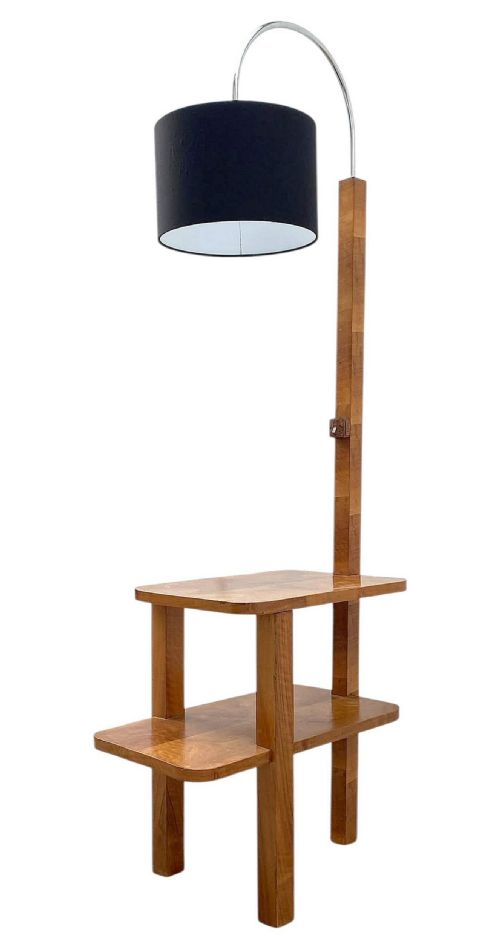
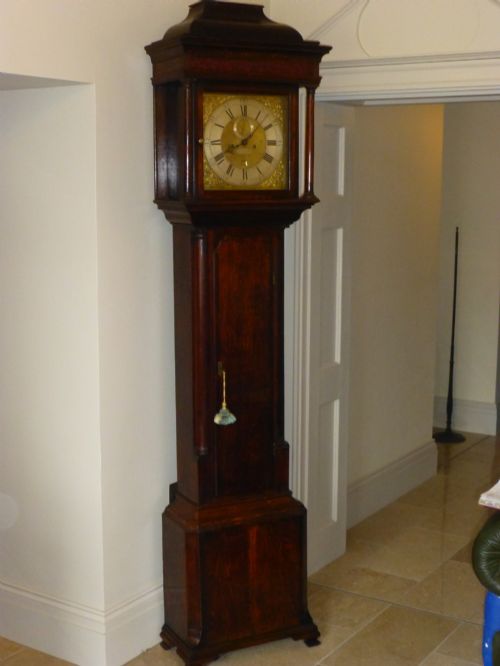
Makers utilised the deep tones of walnut timber to create focal points within the home, whether through small bedside lamp tables or substantial longcase clock cases. These pieces combine practical utility with sophisticated cabinetmaking traditions.
Materials and Construction
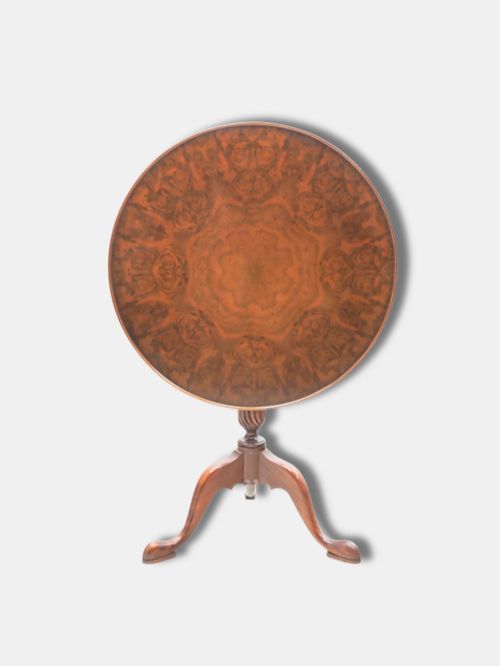
Craftsmen built these pieces primarily using solid walnut and applied veneers, often selecting burr walnut or figured timber for decorative surfaces. These distinct grain patterns create complex patterns across table tops and drawer fronts.
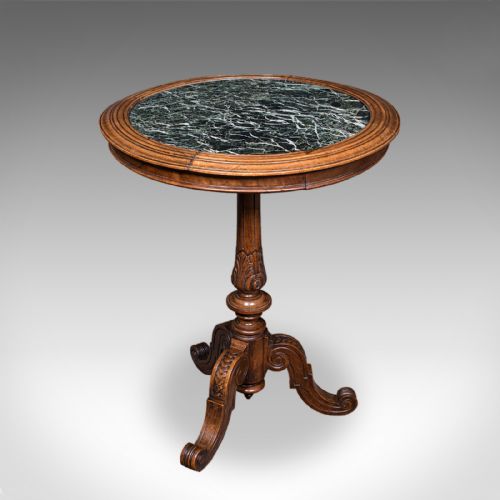
Makers incorporated supplementary materials such as oak for internal structures, brass for hardware and dials, and occasional marble inserts for decorative top surfaces. Joinery techniques varied from early pegged frames to later dovetail drawers and turned structural supports.
English Walnut Stand Retail Price Guide 2026
Typical asking prices for english walnut stand among the pieces listed under this phrase on Sellingantiques today, from the lower quarter to the upper quarter. They describe what is for sale here now, not the wider market.
Listings feature walnut stands spanning from the late seventeenth century through the Edwardian period, incorporating marble, brass, and oak elements.
Evaluating Quality
Quality rests upon the selection and matching of the walnut timber veneer across prominent surfaces, where balanced grain patterns elevate a piece. Superior examples display careful attention to proportion and minimal disruption in the continuity of the wood.
The integrity of the structural joinery and the retention of original brass fittings or associated stands distinguish finer specimens from heavily altered ones. Master cabinetmakers achieved crisp carving and smooth drawer operations that endure across centuries.
Henry Massy·Nathaniel Pyne·Edin Burgis·Edward Upjohn·Edward East·Joseph Knibb·Richard Corless·Hille
The English Walnut Stand Glossary
- Burr Walnut
- A specialised wood cut from walnut tree growths, yielding intricate swirling patterns highly prized for decorative veneer work.
- Chest on Stand
- A tall storage chest raised upon a separate or integrated leg frame, popular during the late seventeenth and eighteenth centuries.
- Canterbury
- A low stand featuring partitions for holding sheet music, newspapers, or books, often fitted with small castors.
- Torchere
- A tall, slender stand designed specifically to support a candle or lamp, featuring a small top surface atop a decorative pillar.
English Walnut Stand: Frequently Asked Questions
What is an English walnut stand used for?
These pieces served diverse domestic functions, ranging from holding tall clocks and books to displaying plants, decanters, or sewing equipment.
Today, owners utilise them as accent furniture to display lamps, ceramics, or small collections within modern interiors.
How do I identify a William and Mary period stand?
William and Mary pieces often feature distinct oyster veneer patterns, inverted cup turning on the legs, and flat perimeter stretchers connecting the base.
These seventeenth-century designs prioritize architectural geometry and rich, variegated wood grain over applied surface carving.
Are these stands suitable for daily use?
Most antique stands accommodate modern living well, offering sturdy surfaces for lamps, books, or drinks depending on their original tabletop configuration.
Placing them away from direct heat sources and treating the timber surfaces with care preserves the antique finish against daily wear.
What distinguishes a Victorian walnut table?
Victorian examples frequently incorporate elaborate turned supports, burl walnut veneers, and practical compartments for magazines or stationery.
Cabinetmakers of this era combined historical revival styles with functional domestic innovations to suit nineteenth-century drawing rooms.