


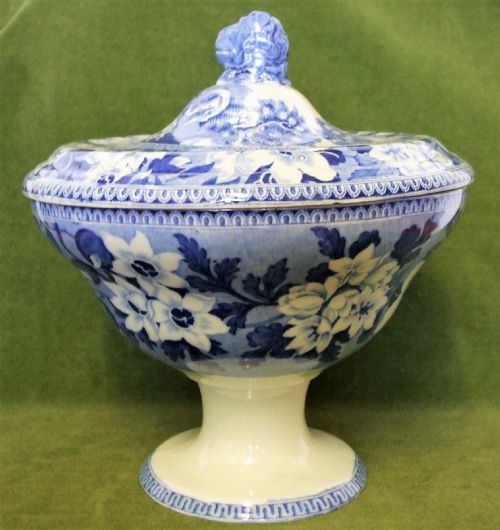


English Transferware Bowl
An english transferware bowl brings rich blue and white scenes of castles, rivers and exotic streets straight to the table from the nineteenth century.
English Transferware Bowl
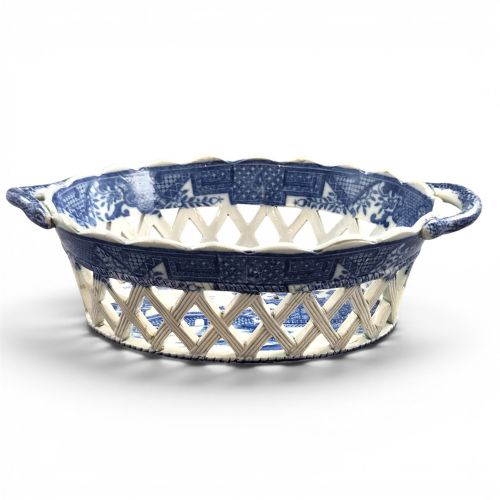
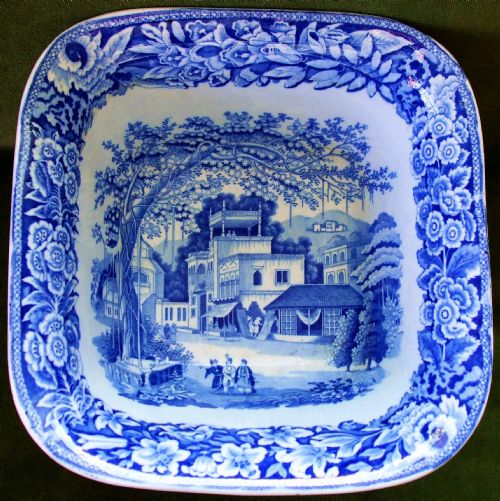
An english transferware bowl captures the detailed topographical and architectural scenes popular during the Georgian, Regency and Victorian periods. Buyers search for these pieces to add historic depth and pattern to a room, finding them in forms ranging from footed bowls and tea bowls to deep vessels and liners.
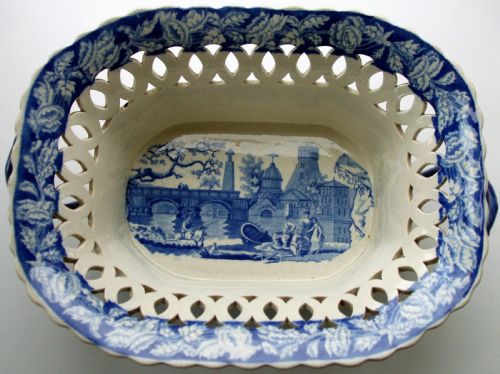
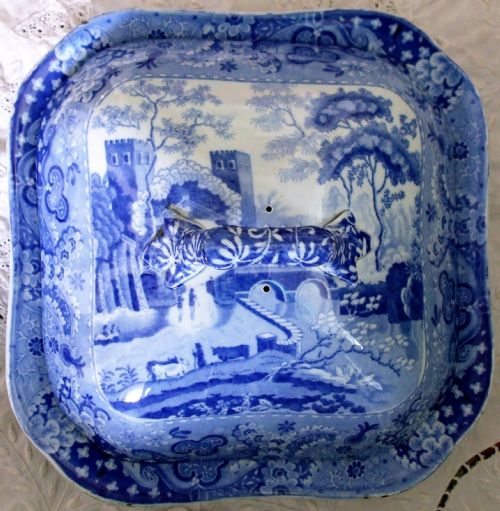
The pieces appearing on this page span the early nineteenth century, showcasing pearlware and earthenware bodies decorated with cobalt glaze or metallic oxide glaze. Alongside standard bowls, the selections include matching tureens, vegetable covers, supper sets and reticulated chestnut baskets with distinct pictorial themes.
How They Were Made
Potters formed these items using ceramic earthenware and pearlware, shaping them into bowls, baskets and tureens before applying intricate transfer-printed designs. The printed motifs relied on cobalt glaze and metallic oxide glaze to achieve deep blue tones against a pale ceramic background.
A protective layer of glaze sealed the pottery surface, giving the pieces a smooth finish and fixing the printed topographical scenes permanently onto the ceramic body.
English Transferware Bowl Retail Price Guide 2026
Typical asking prices for english transferware bowl among the pieces listed under this phrase on Sellingantiques today, from the lower quarter to the upper quarter. They describe what is for sale here now, not the wider market.
Nineteenth-century sailors often commemorated their voyages by commissioning large bowls bearing patriotic verses and depictions of their ships.
What Varies in Quality
Quality rests in the crispness of the transfer print and the complexity of the pattern, whether depicting a quiet river scene with a fort or an elaborate castle landscape. Clear lines and well-registered ink show the skill of the pottery works in executing the design without blurring.
The form itself dictates the distinction of the piece, with reticulated chestnut baskets, lidded tureens and footed bowls demanding greater skill in shaping than standard flatware.
J. & R. Clews·J. & R. Riley·John Rogers & Son·Sewell·James Wallace & Co.
The English Transferware Bowl Glossary
- Transferware
- Pottery decorated by applying a printed design from an engraved copper plate onto tissue paper and then pressing it onto the ceramic body before glazing. This method allowed potteries to produce intricate pictorial patterns in large quantities.
- Pearlware
- A refined earthenware body developed in the late eighteenth century, featuring a slight bluish tinge in the glaze that pooled around details. It served as a popular base for early nineteenth-century blue and white printing.
- Cobalt glaze
- A metallic colorant dissolved in or added to the liquid glass coating to produce rich blue decoration during the kiln firing process. It defines the classic palette of these nineteenth-century items.
- Reticulated
- Having an openwork pattern of crossed or pierced lines, often seen in the basketry forms and chestnut dishes of the period. This decorative piercing required careful hand-cutting while the clay was damp.
- Tureen
- A deep covered vessel designed for serving soups, vegetables or sauces at the dining table. They frequently include matching covers and ladles in matching transfer patterns.
English Transferware Bowl: Frequently Asked Questions
How are these bowls dated?
Potters marked certain pieces with impressed stamps, registry marks or characteristic pattern names linked to specific firms operating in the nineteenth century. Stylistic clues such as the transition from pearlware to heavier earthenware bodies also help narrow down the production decade.
Changes in palette, from early bright cobalt blues to later softer tones, provide further context for distinguishing Georgian pieces from Victorian examples.
Can I use these bowls daily?
These historic ceramic items require gentle handling because the nineteenth-century glaze and earthenware body can be sensitive to modern detergents and thermal shock. Hand washing in warm water preserves the transfer print and prevents crazing.
Displaying them as decorative bowls or using them for dry presentation protects the fragile ceramic fabric from accidental chips and wear.
What is pearlware?
Pearlware is a refined white earthenware developed to imitate Chinese porcelain, featuring a glaze with a subtle blue tint in the recesses. It forms the body of many early nineteenth-century pieces on this page.
The pale blue pooled glaze is the main visual indicator used to identify pearlware items from later standard earthenware ceramics.
What patterns are common?
Topographical scenes, castles, river landscapes with forts and eastern street scenes dominate the printed motifs on these pieces. The willow pattern and various romantic pastoral views also appear frequently across the selection.
Maker-specific series often feature named titles printed on the base, connecting the vessel to specific regional potteries.