

English Style Armchair
An English style armchair brings traditional seating into a room, spanning periods from the eighteenth century to the twentieth.
English Style Armchair
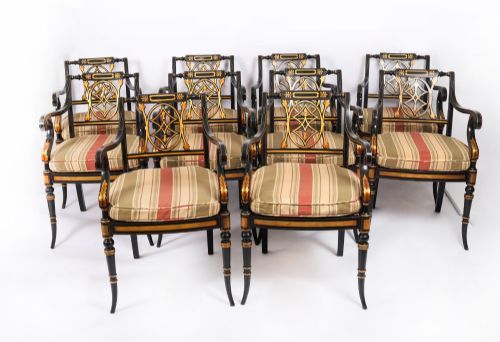
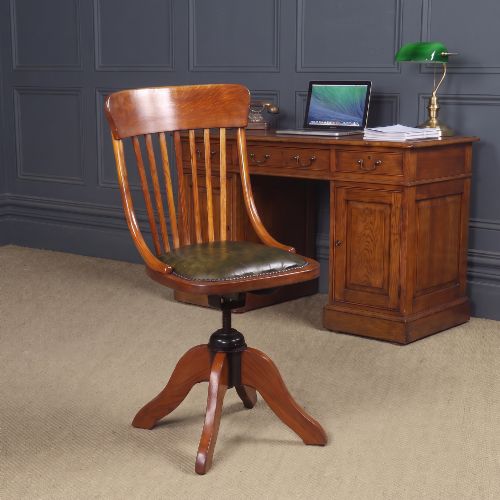
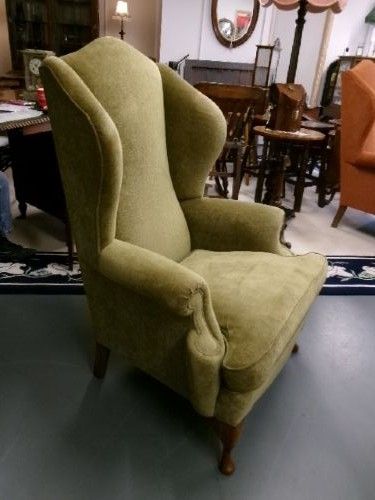
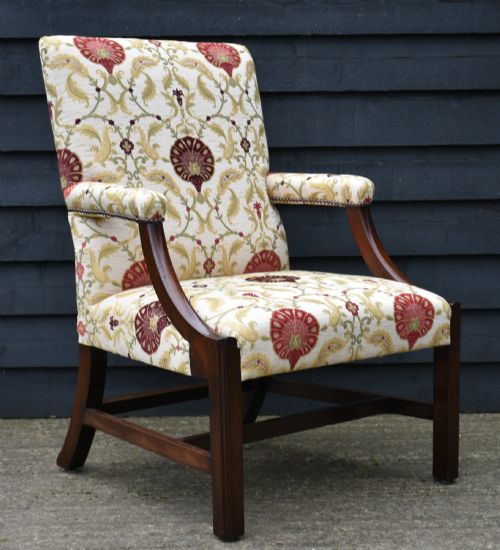
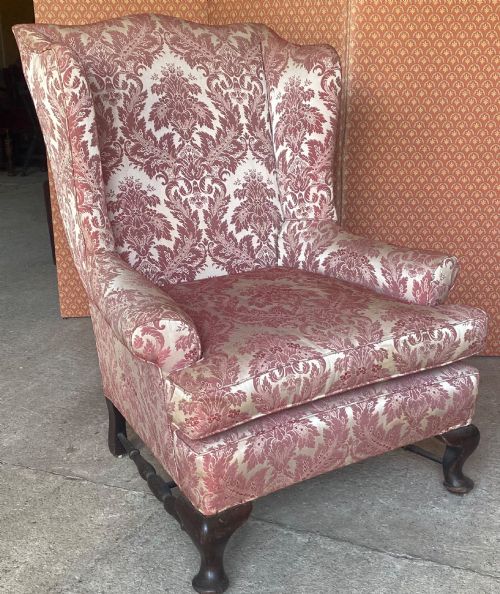
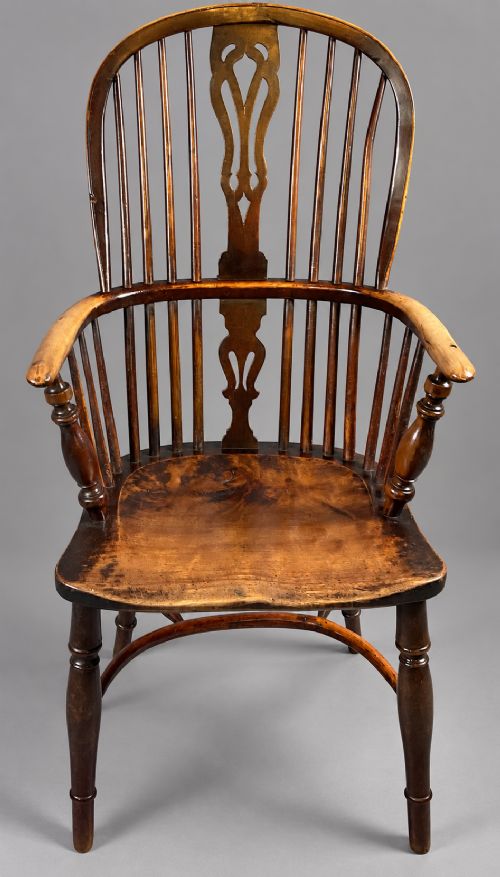
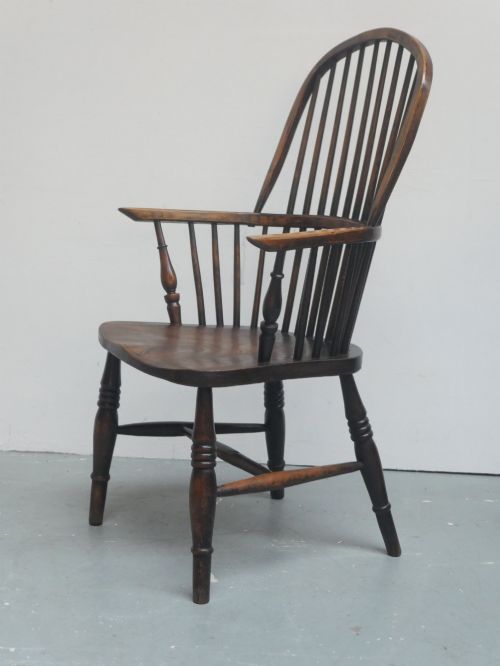
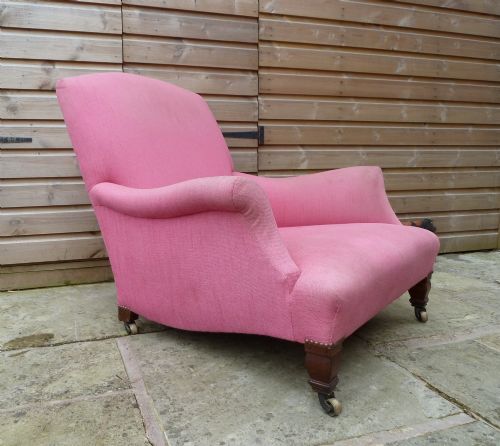
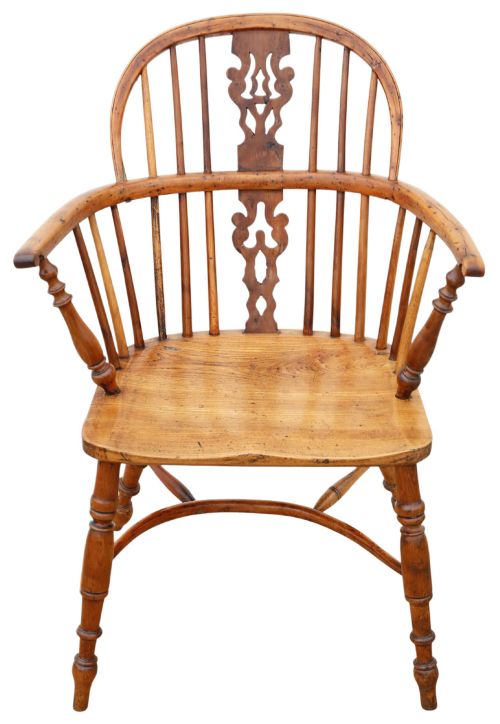
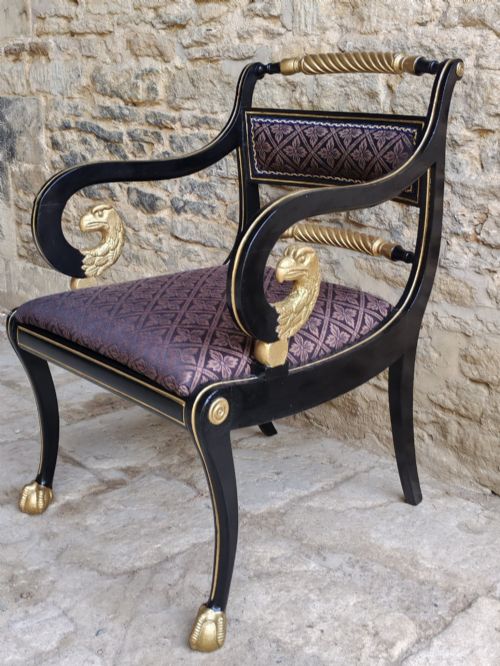
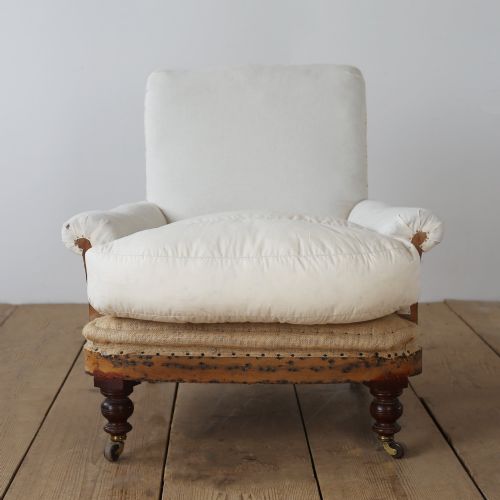
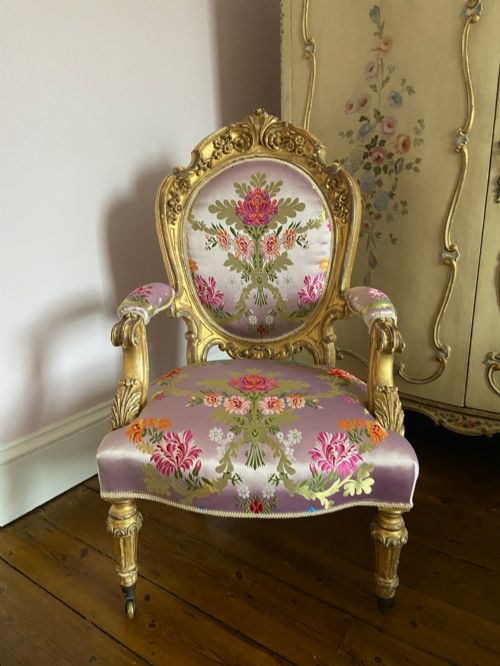
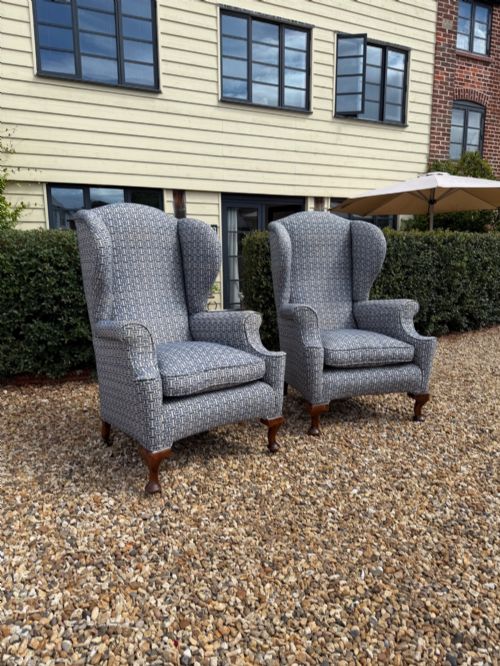
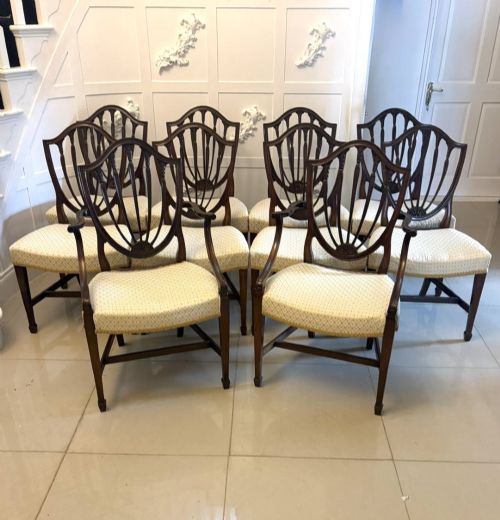
An English style armchair encompasses various seating forms, including wing armchairs, Gainsborough chairs, Windsor chairs, and library chairs. Buyers encounter pieces originating from the eighteenth, nineteenth, and early twentieth centuries, reflecting changing domestic fashions.
The selection ranges from formal mahogany and walnut frames styled after Georgian, Regency, and Queen Anne designs to vernacular wooden Windsor armchairs in yew and elm. Upholstered examples frequently appear in calico, fabric, leather, or with button backs.
Early examples include oak wainscot armchairs, while later iterations draw on Edwardian and Victorian comfort, alongside revival pieces from the twentieth century.
Materials and construction
Frames rely on hardwoods such as mahogany, oak, walnut, elm, and yew timber, shaped through turning, carving, and joinery. Brass fittings and leather appear on specific desk and library models.
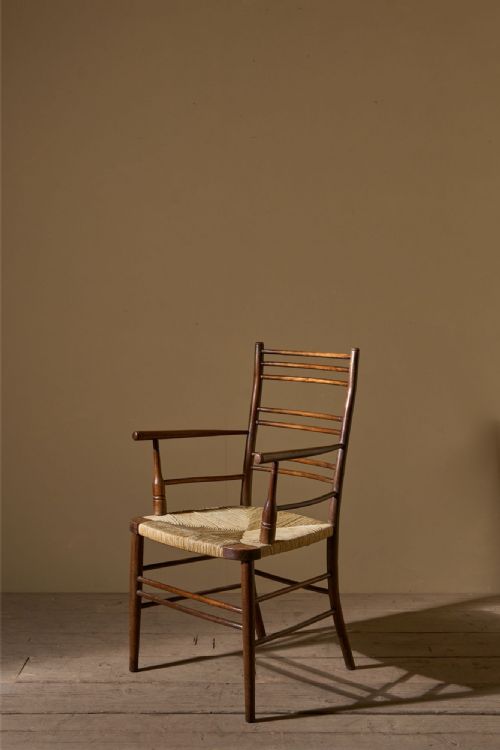
Upholstered versions utilise internal webbing, springs, and traditional fillings like feathers, covered in fabrics, calico, or hand-dyed hide leather. Rush seats feature on specific Arts and Crafts vernacular chairs.
Listings feature eighteenth-century oak wainscot armchairs alongside nineteenth-century yew and elm Windsors.
Distinguishing quality
The standard of an English style armchair rests on the integrity of the timber frame, the crispness of any hand-carved detail such as blind fretwork or scrolling arms, and the balance of proportions. Maker attribution, through documented labels or distinct workshop characteristics, elevates a piece.
Upholstery quality depends on the retention of traditional stuffing materials, internal support condition, and the precision of the outer covering. Original surface patination on exposed timber frames distinguishes untouched examples from heavily restored ones.
Howard and Sons·Gillows·Maple and Co
The English Style Armchair Glossary
- Gainsborough chair
- A type of open-armed upholstered armchair with a wide seat, low back, and mahogany frame, originating in the mid-eighteenth century.
- Windsor chair
- A wooden armchair constructed with a solid shaped seat into which the legs and back spindles are wedged directly, often incorporating yew and elm.
- Wainscot armchair
- An early heavy wooden armchair constructed primarily of oak, featuring panelled backs and solid armrests.
- Wing armchair
- An upholstered seat with side panels or wings attached to the back, designed to shield the occupant from drafts.
- Carver
- A term applied to an armchair designed to match a set of dining chairs, typically featuring open arms.
English Style Armchair: Frequently Asked Questions
What defines an English style armchair?
An English style armchair encompasses traditional seating forms built in Britain, ranging from formal mahogany library chairs to vernacular wooden Windsors and deep-seated country house armchairs.
These pieces reflect historical design movements including Georgian, Regency, Victorian, and Edwardian periods, utilising native timbers and traditional upholstery methods.
How do I identify a Georgian armchair?
Georgian armchairs typically feature mahogany or walnut frames with characteristic period details like scroll arms, cabriole legs, or blind fret carving.
Proportions are generally architectural and refined, spanning formal Gainsborough designs to high-backed wing chairs produced during the eighteenth century.
What are Windsor armchairs made from?
Windsor armchairs combine multiple woods, most commonly utilising elm for the solid shaped seat and yew or ash for the bowed back and spindles.
This construction method provides structural strength without requiring heavy framing timbers, resulting in a distinct country vernacular aesthetic.
How do I care for antique leather upholstery?
Antique leather on armchairs requires gentle cleaning and regular conditioning using specialist wax or balsam to prevent the hide from drying and cracking.
Keeping the leather away from direct sunlight and heat sources preserves the hand-dyed finish and natural patination developed over centuries.