

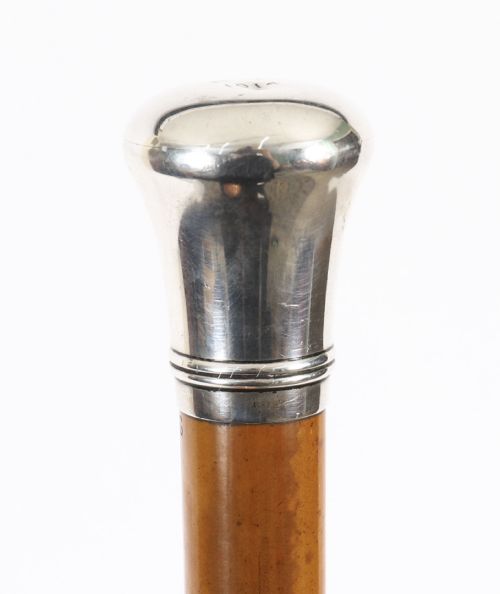


English Stick Stand
An English stick stand is a practical hall furnishing designed to hold umbrellas and walking canes, bringing disciplined order to domestic entryways.
English Stick Stand
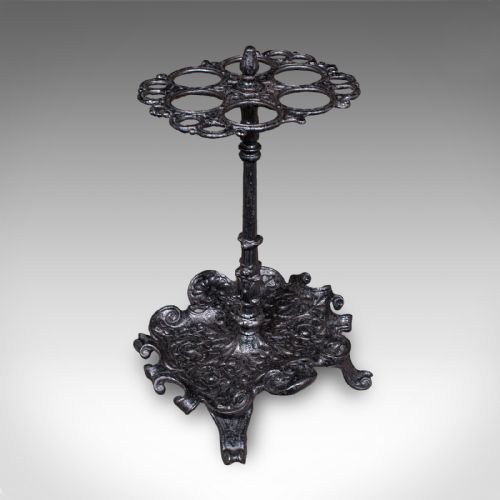
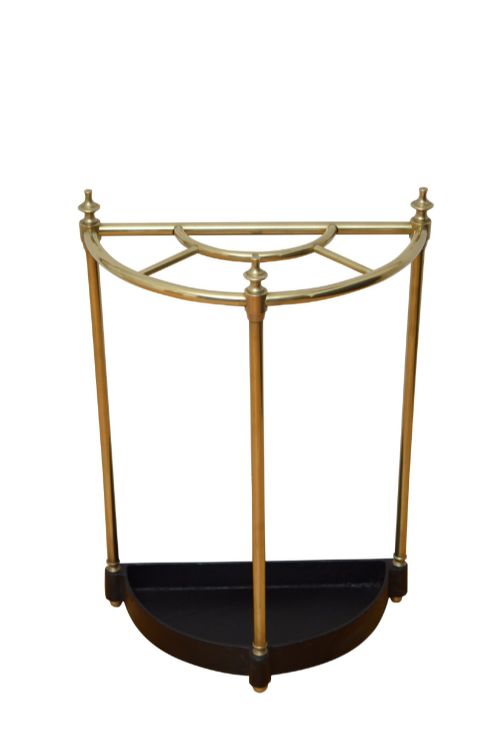
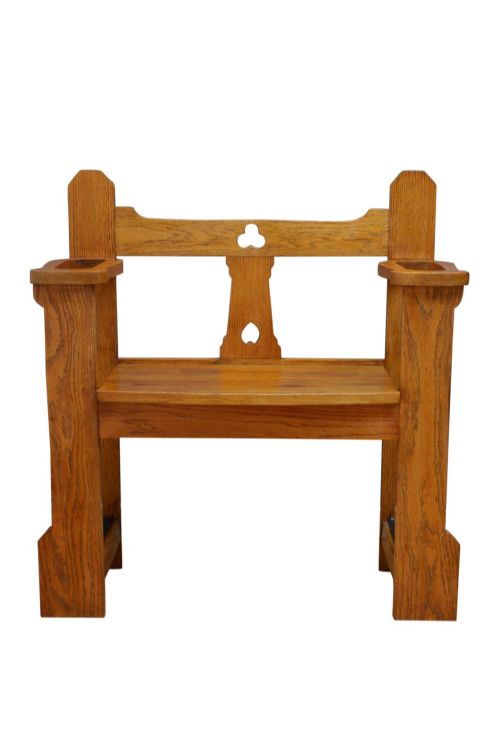
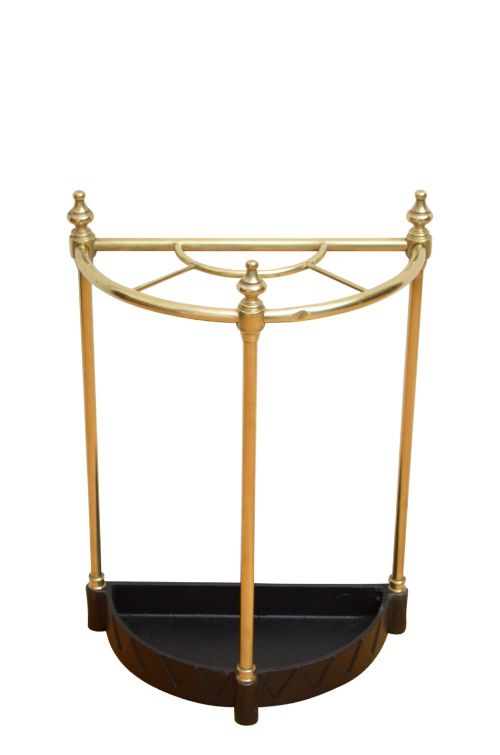
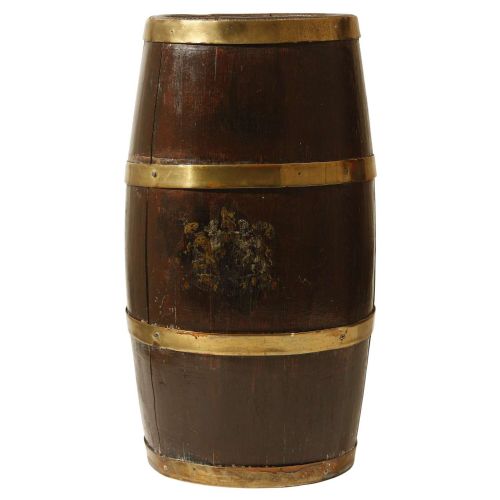
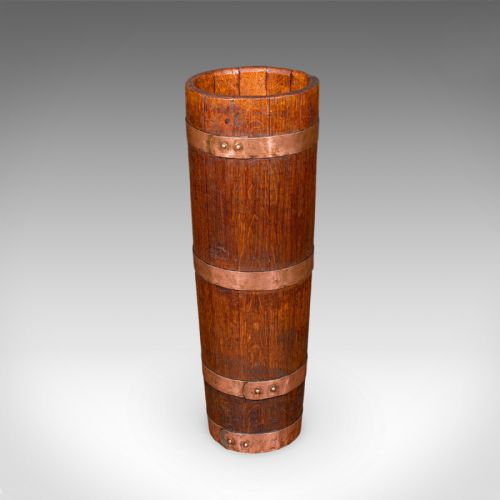
When you search for an english stick stand, you encounter hall furnishings originating primarily from the Victorian and Edwardian eras, alongside pieces attributed to the 19th century. These items manifest as cast iron loop frames, demi-lune brass receptors, and coopered oak barrels fitted with metal braces.
The most common iterations on this page are sturdy oak barrel designs and semicircular brass stands equipped with drip trays to catch rainwater. They served visitors and residents in country houses and town residences, designed to sit directly against hallway walls.
Makers drew upon prevailing aesthetic currents, producing examples shaped by Arts and Crafts utility, Neo-Classical symmetry, and heavy cast iron casting reminiscent of industrial foundries like Coalbrookdale.
Materials and construction
Makers utilised durable hardwoods and metals capable of enduring daily moisture from wet umbrellas and heavy walking canes. Oak construction frequently involved coopered staves bound by brass bands, echoing the craft of the barrel maker.
Foundry-cast iron and sheet brass were shaped into open loops and half-moon frames, often paired with removable metal drip trays to protect wooden floors from standing water. Cabinetmakers also employed walnut and mahogany for more refined hall environments.
English Stick Stand Retail Price Guide 2026
Typical asking prices for english stick stand among the pieces listed under this phrase on Sellingantiques today, from the lower quarter to the upper quarter. They describe what is for sale here now, not the wider market.
Current listings span the Victorian and Edwardian periods, utilising oak, cast iron, brass, and copper.
Evaluating the standard
Quality rests upon the integrity of the original construction, such as the tightness of coopered joints on wooden barrels and the weight of cast iron frames. Pieces that retain their original removable drip trays demonstrate greater survival of working parts.
Subtlety of detail distinguishes standard utility pieces from those made for grand country houses, visible in decorative brass bracing, cast heraldic motifs, or substantial division counts designed for numerous walking sticks.
The English Stick Stand Glossary
- Coopered
- Constructed from wooden staves fitted together side by side and bound by metal hoops, similar to barrel making.
- Demi-lune
- Having a half-moon or semicircular shape designed to sit flush against a hallway wall.
- Stick loop
- An upper framework of metal or wood divided into sections to keep individual walking sticks and umbrellas upright.
- Drip tray
- A shallow metal basin placed at the base of the stand to catch moisture from wet umbrellas.
English Stick Stand: Frequently Asked Questions
Where were stick stands placed in the home?
These furnishings stood in entrance halls, vestibules, and reception corridors where residents and guests removed outdoor gear.
Positioned near the main entrance, they provided immediate access to walking canes and umbrellas upon arrival.
How do I protect the floor from wet umbrellas?
Most traditional examples incorporate a built-in or removable metal drip tray at the base to capture residual water.
Ensure this tray is periodically emptied and dried to prevent moisture damage to the underlying floorboards.
What is the difference between iron and wooden stands?
Cast iron versions offered industrial durability and open ventilation, often featuring ornate scrollwork or foundry markings.
Coopered wooden barrels relied on traditional carpentry and brass bands, lending a warmer texture to domestic hallways.
How do I date a Victorian stick stand?
Dating relies on material combinations, construction techniques, and stylistic references such as Gothic revival or Arts and Crafts simplicity.
Heavier cast iron frames and oak barrel forms generally align with mid to late nineteenth-century manufacturing methods.