


English Stick Chair
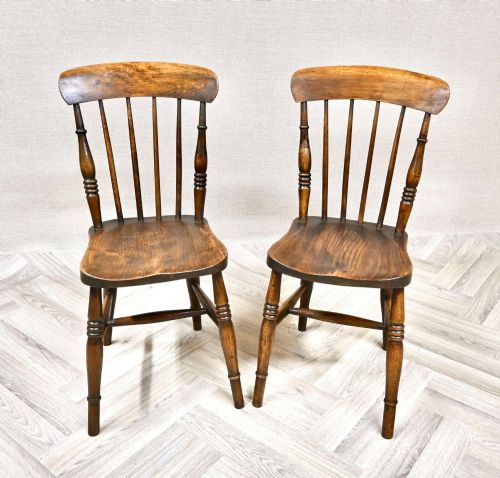
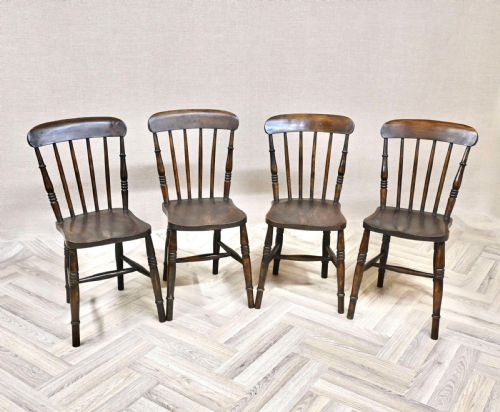
An English stick chair is a vernacular seat built with turned spindles and a solid wooden saddle, offering honest craft and everyday utility.
English Stick Chair
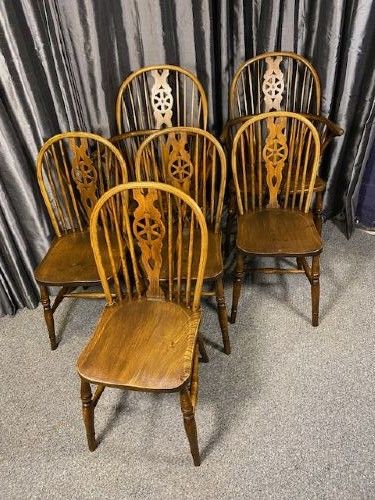
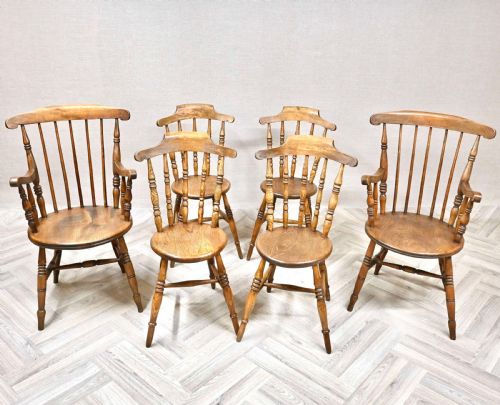
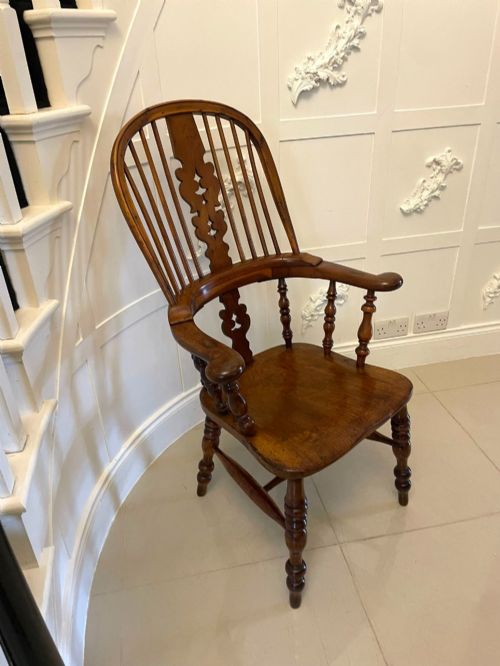
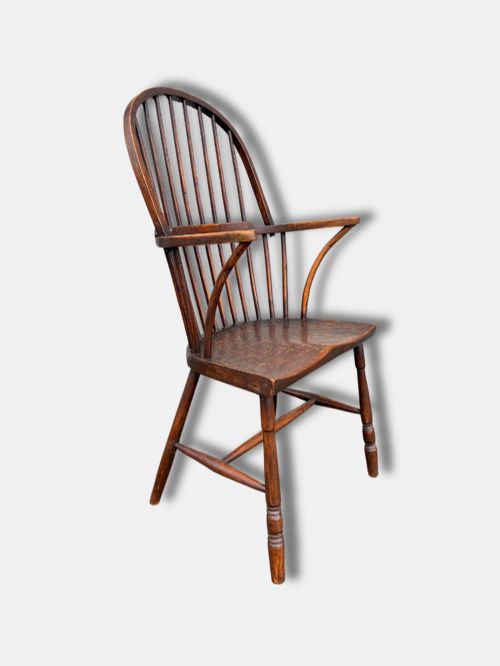
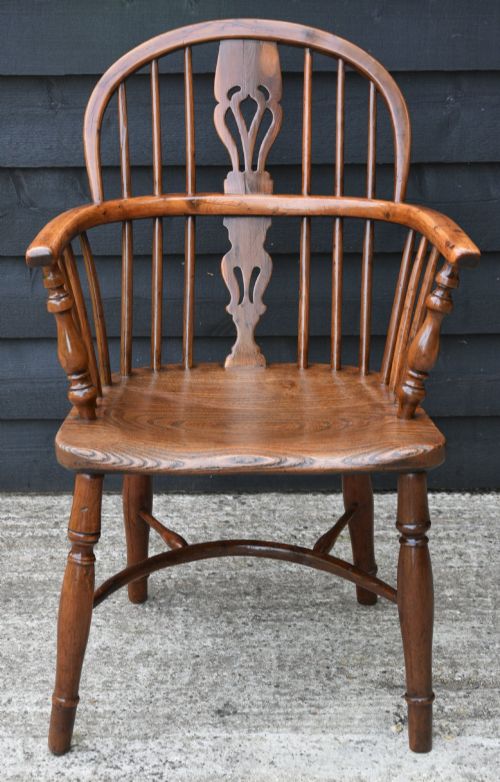
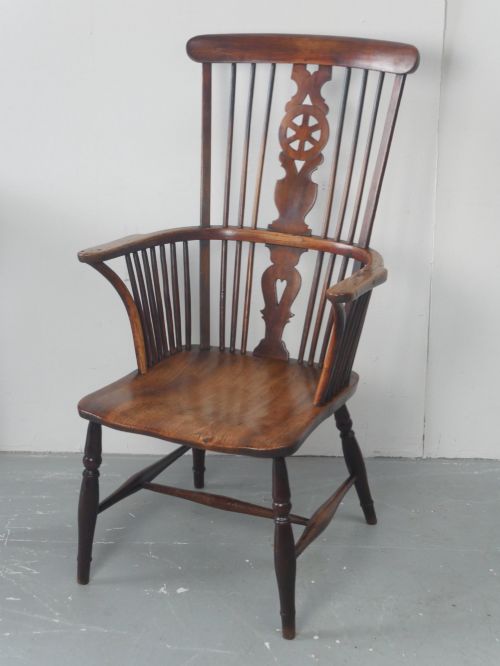
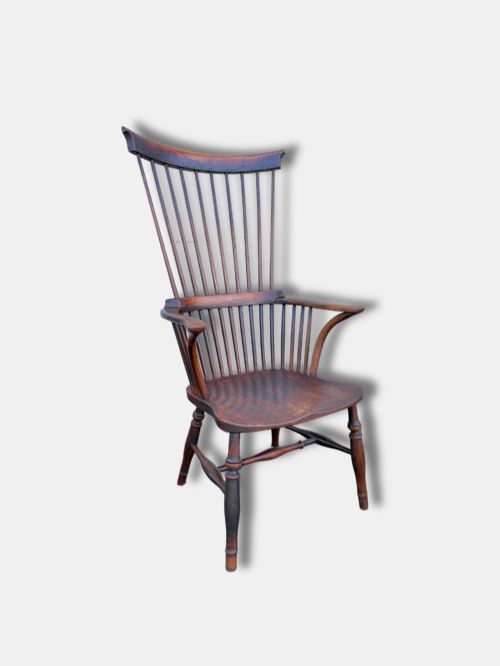
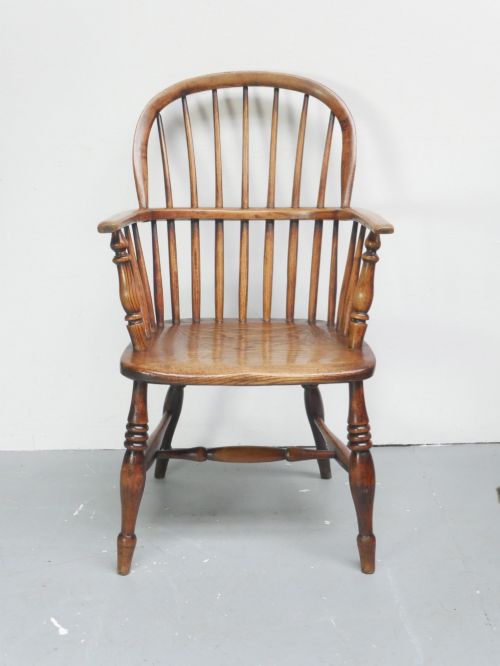
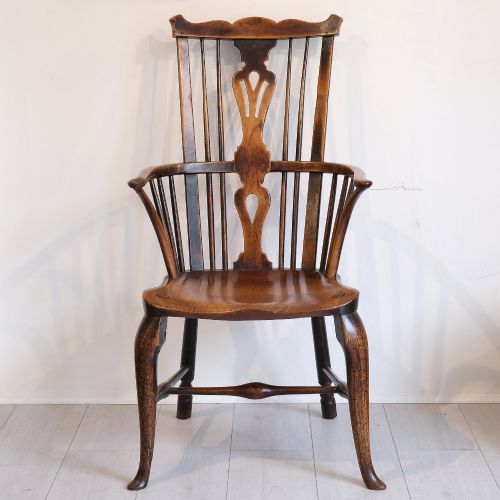
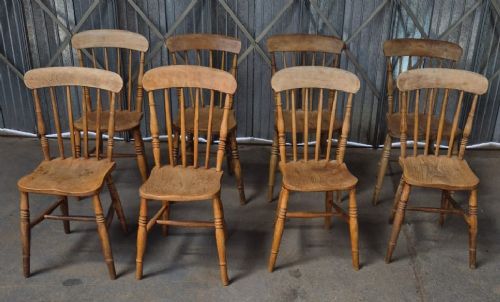
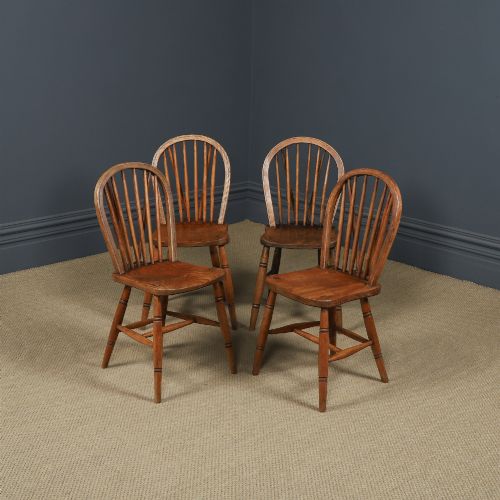
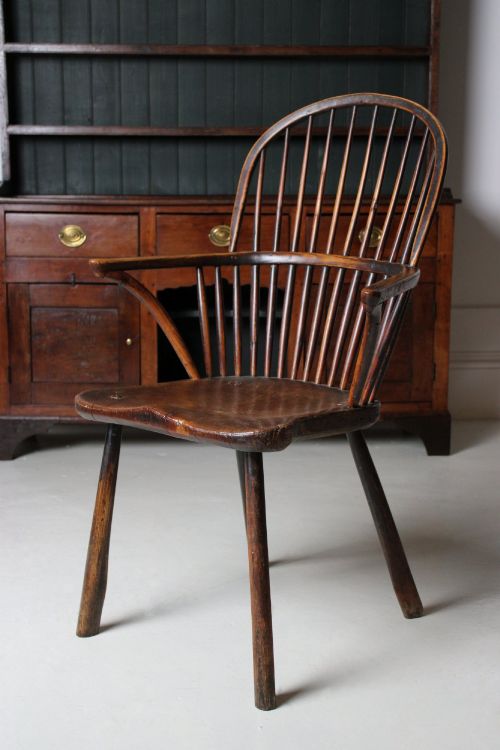
When you search for an english stick chair, you encounter regional forms including Windsor armchairs, kitchen dining chairs, and low-back seats originating from the eighteenth, nineteenth, and early twentieth centuries.
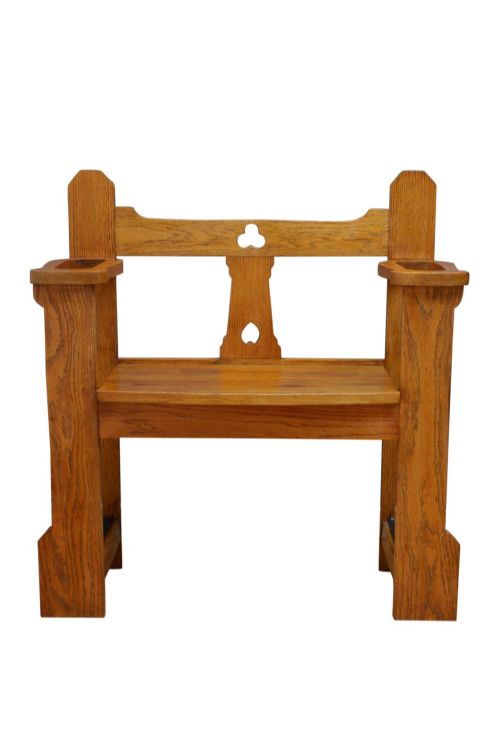
The pieces on this page span styles such as Georgian country, Victorian vernacular, and English rustic traditions, taking the form of armchairs, pairs, sets, and hall benches.
Most examples combine steam-bent wooden hoops with vertical spindles and deep wooden seats shaped for utility in farmhouse and domestic settings.
How they were made
Maker construction relies on contrasting timbers, pairing resilient ash or beech for structural legs and spindles with figured elm for thick saddle seats.
Many better examples incorporate rich yew wood for arms and bent bows, joined through traditional mortise and tenon or wedged stick construction without complex metal fasteners.
English Stick Chair Retail Price Guide 2026
Typical asking prices for english stick chair among the pieces listed under this phrase on Sellingantiques today, from the lower quarter to the upper quarter. They describe what is for sale here now, not the wider market.
What varies in quality
Assessment depends on the selection of timber figure, such as richly grained yew or burr elm against plain commercial woods.
Proportion and spindle placement dictate visual balance, alongside the depth of the sculpted seat and the retention of original surface patination or early paint.
John Brand of Sleaford·Gabbitass of Worksop
The English Stick Chair Glossary
- Stick back
- A chair design featuring turned vertical spindles tenoned directly into the seat. These uprights form the structural support for the backrest.
- Comb back
- A Windsor chair variation where the central vertical spindles extend upward to support a horizontal headrest resembling a traditional hair comb.
- Hoop back
- A continuous steam-bent wooden bow forming the arm rail and back support in one fluid arc. This technique provides inherent strength to the upper frame.
- Saddle seat
- A thick plank of timber, typically elm, excavated into a comfortable hollow contour. It provides a stable base for the leg and spindle tenons.
English Stick Chair: Frequently Asked Questions
What is an english stick chair?
An english stick chair is a traditional vernacular seat constructed with a solid wooden saddle and turned spindle uprights. These pieces developed across various regional English workshops for domestic and kitchen use.
They rely on exposed joinery where the legs and back sticks pierce straight through the seat plank. This method creates a sturdy, functional frame characteristic of country furniture.
How do you date an antique stick chair?
Dating involves examining the timber species, tool marks left by turning lathes, and the complexity of the back bow construction. Earlier eighteenth-century examples often display broader saddle proportions and distinct regional turning patterns.
Nineteenth and early twentieth-century versions tend toward standardised kitchen sets and lighter framing. Comparing the wear patterns on the seat helps confirm the age of the piece.
Which woods were used to build them?
Craftsmen selected native timbers based on specific mechanical properties required for different parts of the chair. Elm was preferred for the thick saddle seat because its interlocking grain resisted splitting.
Ash, beech, and yew were utilised for the bent hoops, arms, and slender spindles due to their flexibility and strength. Painted finishes also appear on certain regional examples.
How should you care for an antique wooden chair?
Maintenance requires keeping the chair away from direct heat sources and sudden humidity changes to prevent timber shrinkage. Natural wax polish applied sparingly helps nourish the historic dry surface.
Checking the undercarriage wedges periodically ensures the leg joints remain secure during everyday use. Gentle cleaning with a soft cloth preserves the original patination.