




English Sterling Silver Tray
When you search for an english sterling silver tray, you uncover a versatile domestic metalwork ranging from desk accessories to heavy drinks salvers.
English Sterling Silver Tray
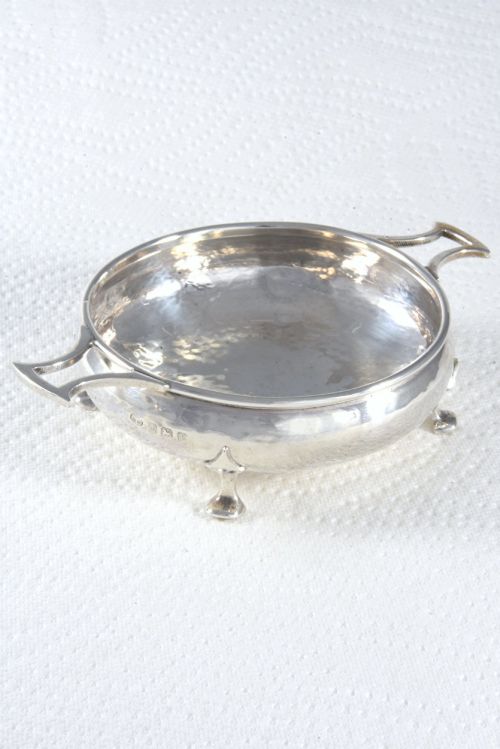
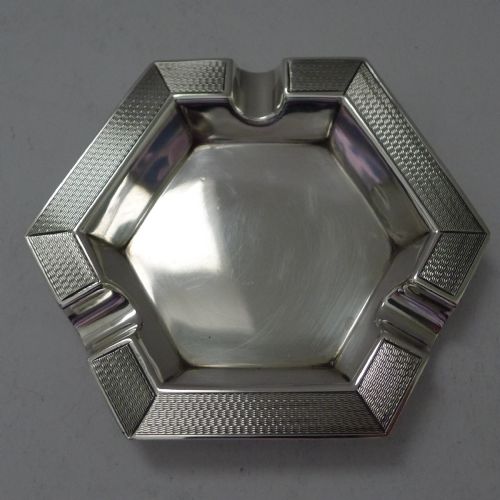
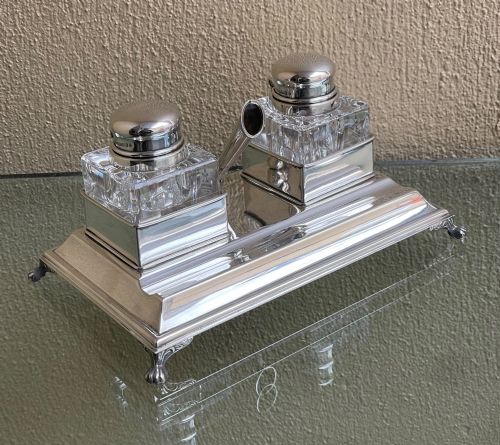
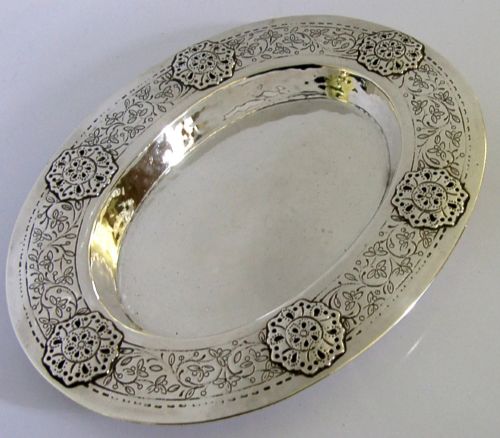
An english sterling silver tray appears across numerous forms, including small trinket dishes, ashtrays, inkstands, and large serving salvers. The pieces span multiple centuries, touching the Georgian, Victorian, Edwardian, and mid-twentieth-century periods.
Desk accessories such as pen trays and inkstands frequently emerge alongside domestic vessels like teapot stands and cocktail trays. Edwardian and Victorian examples surface regularly, often displaying specific functional uses from their respective eras.
Makers utilise sterling silver alongside occasional contrasting materials like oak, mahogany, cut glass, and tortoise shell. These domestic objects serve both utilitarian and decorative roles within the historic household.
Materials and Technique
Silversmiths shape solid sterling silver through hammering, casting, and repoussé work to create distinct borders and wells. Assay office marks stamped into the metal record the year, town, and standard of silver.
Selected pieces incorporate secondary elements, mounting silver mounts onto wooden bases like oak or mahogany, or combining silver with tortoiseshell inlay. Surface decoration relies on hand engraving, applied cast borders, and chased motifs.
English Sterling Silver Tray Retail Price Guide 2026
Typical asking prices for english sterling silver tray among the pieces listed under this phrase on Sellingantiques today, from the lower quarter to the upper quarter. They describe what is for sale here now, not the wider market.
Listings feature sterling silver, oak, mahogany, and tortoise shell across forms including inkstands, ashtrays, pen trays, and serving salvers spanning the Georgian to Elizabeth II eras.
Judging Quality
The calibre of an english sterling silver tray rests upon the crispness of its chased or engraved details and the weight of the metal utilised. Heavier gauges of silver provide structural rigidity and a substantial feel in the hand.
Artistry in cast borders and the reputation of the silversmith elevate certain items above standard production pieces. Pieces bearing clear, well-struck hallmarks and integrated design motifs demonstrate superior workshop execution.
William Neale·Liberty And Co·S C Younge And Co·Robert Garrard·Theo Fennell·John Grinsell·Adie Brothers
The English Sterling Silver Tray Glossary
- Salver
- A flat tray, typically with feet, used for serving drinks or presenting cards.
- Inkstand
- A fitted desk tray holding inkwells, pen rests, and sometimes sanders or stamp boxes.
- Repoussé
- A metalworking technique where the artisan hammers the design from the reverse side to create raised relief on the front.
- Hallmark
- A set of official marks stamped on precious metals indicating the standard of purity, assay office, and year of production.
- Trinket dish
- A small shallow vessel designed for holding personal items such as rings and pins.
English Sterling Silver Tray: Frequently Asked Questions
How do I date an english sterling silver tray?
You determine the production date by locating the stamped hallmarks on the silver surface. These official symbols include a date letter corresponding to the specific assay year and town office.
Additional clues come from the prevailing decorative style, such as Art Nouveau sweeping lines or Georgian symmetry. Comparing the maker's mark against historical records confirms the active working period of the silversmith.
What were desk pen trays used for?
Desk pen trays sat upon writing tables to hold dip pens, nibs, and ink supplies. They kept the desktop organised and protected fine wooden furniture from ink drips.
Many examples include fitted wells for inkpots or small compartments for stamps and sealing wax. Wealthy households utilised ornate silver versions as functional status objects in studies and libraries.
How should I clean a silver tray?
You clean solid silver trays using a mild, non-abrasive silver polish and a soft cloth to remove tarnish. Gentle washing in warm soapy water removes accumulated residue from regular handling.
Avoid harsh scrubbing that can wear away crisp engraving or thin plating on mixed-material items. Store the piece in a dry environment to slow the natural oxidation process of the metal.
What is a silent butler?
A silent butler is a small covered crumb scoop or ashtray with a hinged lid and a handle. Hosts utilised them during dining or smoking rituals to sweep up table debris or contain ash discreetly.
Victorian and twentieth-century examples frequently feature decorative handles and cast bodies in sterling silver. They combined practical cleanup tasks with refined tableside presentation.