



English Silver Top Jar
An English silver top jar brings together cut glass, stoneware or oak with hallmarked metal, offering a functional dressing table or dining piece.
English Silver Top Jar
When you search for an english silver top jar, you encounter vessels designed for the dressing table, desk and dining room across the Georgian, Victorian and Edwardian eras. These containers serve varied household roles, functioning as biscuit barrels, scent bottles, tea caddies and twine boxes.
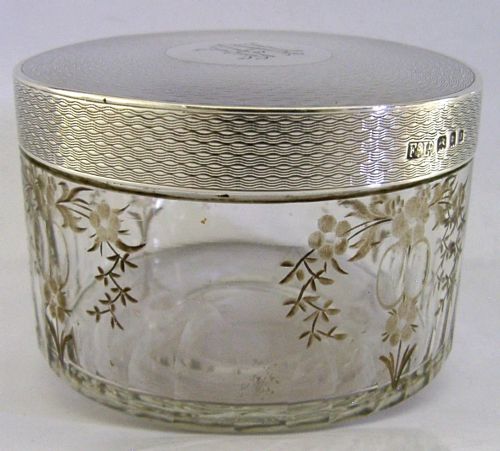
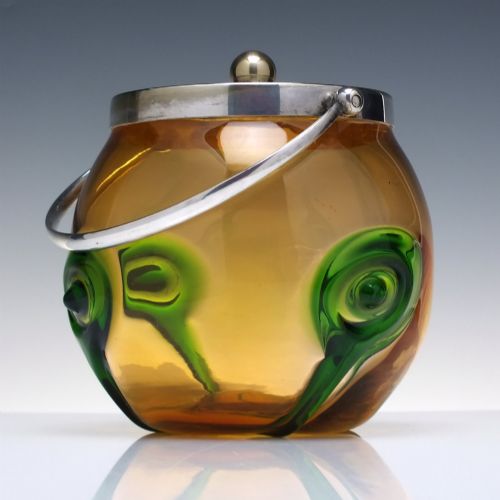
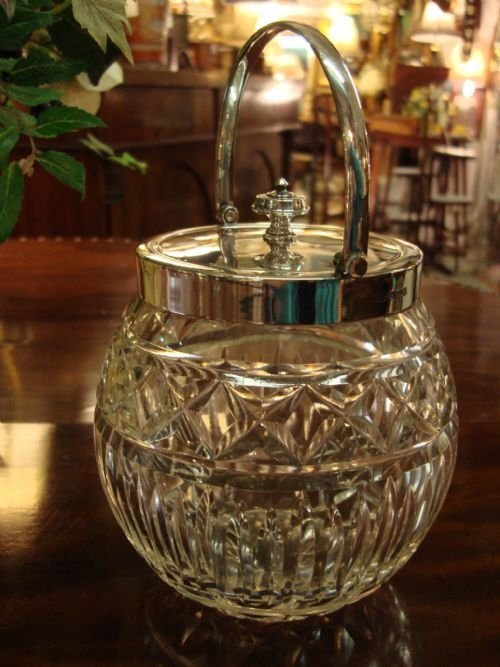
The most common examples on this page pair cut glass or crystal bodies with solid sterling silver or silver plated mounts. Alongside glass, you meet ceramic bodies like Wedgwood Jasper Ware and drum form oak biscuit boxes fitted with metal lids and hardware.
Origins span production from the nineteenth century into the 1920s and 1930s, reflecting the changing domestic habits of successive generations. Each piece relies on a fitted metal lid or mount to secure the contents while displaying hallmarks or maker stamps.
Quality and execution
The distinction between standard containers and finer work lies in the depth of the glass cutting and the weight of the metal mounts. Heavier sterling silver components and crisply faceted crystal display a higher standard of craftsmanship than plated alternatives.
The precision of the fit between the silver top and the glass or ceramic body determines the overall integrity of the piece. Clear hallmarks and legible maker stamps provide historical documentation that distinguishes mass-produced items from workshop production.
English Silver Top Jar Retail Price Guide 2026
Typical asking prices for english silver top jar among the pieces listed under this phrase on Sellingantiques today, from the lower quarter to the upper quarter. They describe what is for sale here now, not the wider market.
Some biscuit barrels disguise their dry contents inside heavy oak drum forms fitted with gleaming silver plated marching bands.
Goldsmiths and Silversmiths Co·Jonathan Douglas·Barnsley and Co·Adie Brothers Ltd·James Dixon and Sons
The English Silver Top Jar Glossary
- Hallmark
- An official stamp applied to precious metals indicating purity, origin and year of manufacture. These marks help date the silver mount of a jar.
- Sterling silver
- An alloy containing 92.5 percent silver by mass, standard for quality British tableware and dressing table items. It forms the durable top of many jars.
- Cut glass
- Glass shaped by grinding and polishing wheels to produce geometric patterns. This material forms the body of scent bottles and biscuit barrels.
- Biscuit barrel
- A lidded container used for storing dry biscuits on the dining table or sideboard. Many examples feature glass bodies with silver plated or solid silver tops.
- Silver plate
- A layer of silver applied to a base metal core such as copper or nickel brass. This technique offers the appearance of solid silver at a different cost.
English Silver Top Jar: Frequently Asked Questions
What were these jars used for?
These containers served various domestic functions, from holding biscuits on the dining table to storing string on a desk. Dressing table examples held perfumes, salts and small trinkets.
Their form depended on the room they inhabited, combining utility with decorative display during the Victorian and Edwardian periods.
How do I date a silver top?
Dating relies primarily on the hallmarks stamped into the metal mounts, which include date letters and town marks like the anchor for Birmingham or leopard's head for London.
Stylistic cues in the glass cutting and the shape of the ceramic body also help narrow down the period of manufacture.
Are the lids solid silver?
The mounts and lids are made from either solid sterling silver or silver plate over a base metal. Examining the piece for hallmarks confirms whether the top is solid sterling.
Silver plated items often show hallmarks or maker marks indicating the plating firm rather than metal purity.
How do I care for silver and glass?
Cleaning requires mild soapy water and a soft cloth for the glass, avoiding harsh abrasives that scratch the surface. Silver components need occasional polishing with a dedicated cloth to maintain the shine without wearing the metal.
Keeping the pieces away from excessive moisture preserves both the metal mounts and any fitted wooden or ceramic elements.