







English Silver Tankard
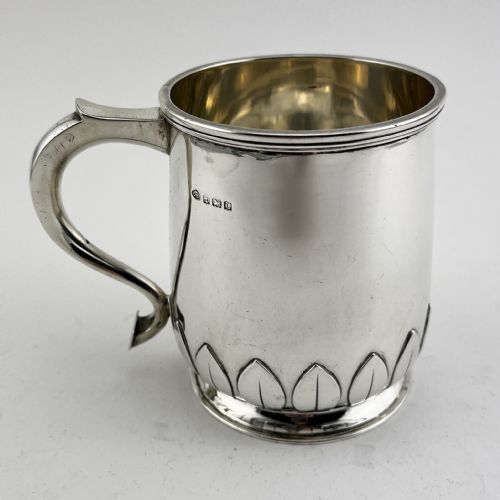
An english silver tankard brings historic weight and bright metal to the table, and collectors prize these drinking vessels for their solid heft and domestic history.
English Silver Tankard
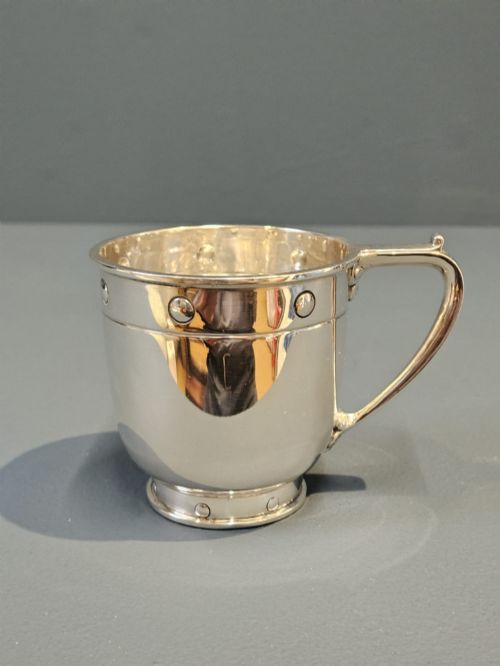
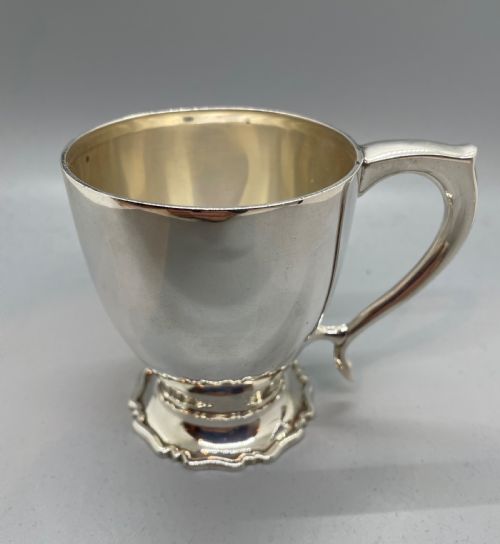
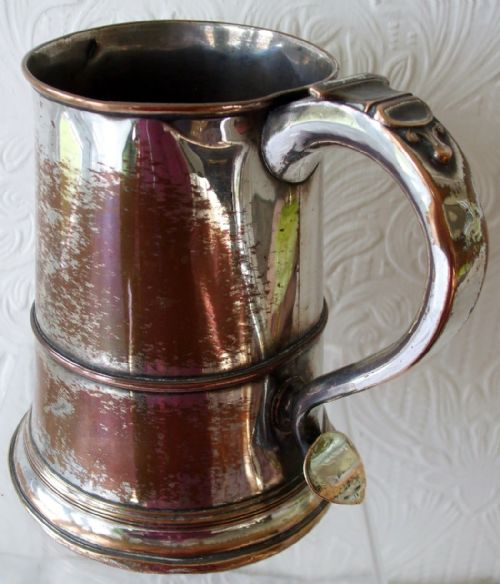
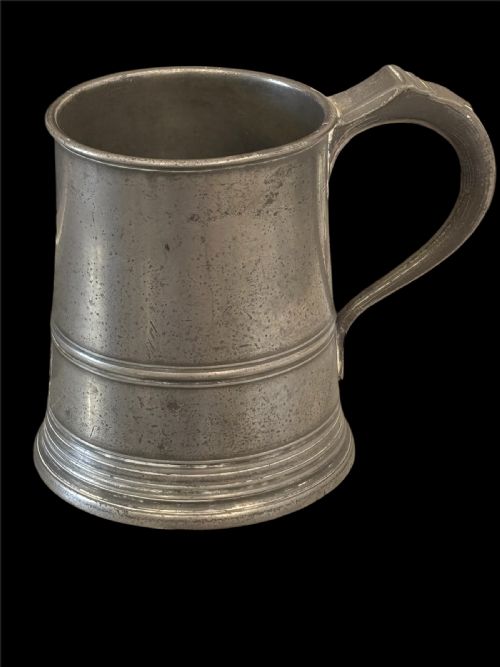
When you search for an english silver tankard, you encounter drinking vessels spanning several centuries, ranging from early sterling pieces to later Georgian forms and twentieth-century silver mugs. The selection on this page most frequently presents sterling silver, silver plate, and pewter drinking vessels, alongside stoneware jugs fitted with silver rims.
The forms vary from substantial quart vessels down to small pint mugs and christening tankards, reflecting domestic rituals across the Georgian, Victorian, and later periods. Makers produced these pieces in major assay office towns such as London, Sheffield, Newcastle, and Chester, utilising traditional silversmithing methods.
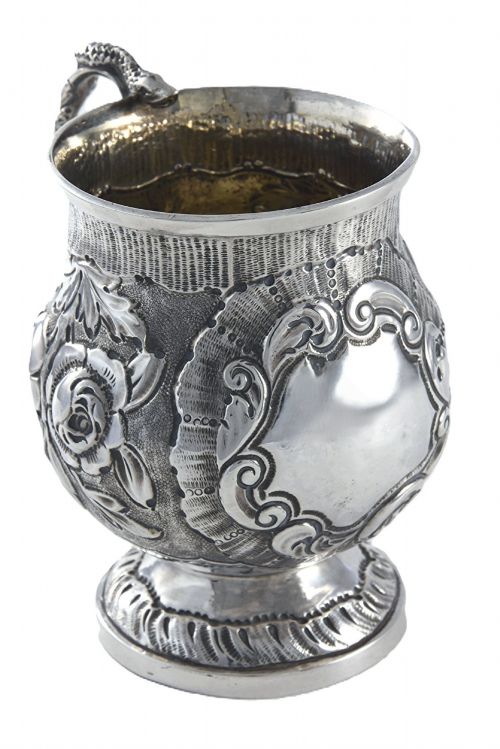
Alongside plain bodies, you find engraved decoration, heraldic crests, and sometimes salt-glazed stoneware bodies with applied relief work. Whether intended for ale, wine, or as a presentation piece for a child, these objects bridge practical table use and decorative display.
How they were made
Silversmiths formed these vessels predominantly from sterling silver or Britannia standard silver, hammering or spinning the metal into cylindrical bodies and soldering handles securely to the side. Some domestic examples employ pewter, copper, or silver plate over a base metal, while others combine salt-glazed stoneware with cast silver rims and lids.
Makers applied surface ornamentation through hand engraving, chasing, or casting, often adding heraldic crests or foliate scrolls. Workshops sent completed items to official assay offices to stamp hallmarks verifying the metal standard, city of origin, and date letter.
English Silver Tankard Retail Price Guide 2026
Typical asking prices for english silver tankard among the pieces listed under this phrase on Sellingantiques today, from the lower quarter to the upper quarter. They describe what is for sale here now, not the wider market.
Some stoneware harvest jugs wear their silver rims like a stiff Sunday collar.
What varies in quality
The distinction between ordinary and superior pieces rests on the weight of the metal and the crispness of the form. A thicker gauge of silver prevents denting and provides a substantial balance in the hand.
Hand engraving and the quality of applied mounts, such as cast handles and rims, distinguish master workshops from standard production. Clear, unrubbed hallmarks and well-preserved maker marks confirm the provenance and integrity of the piece.
Barker Bros·William Bateman·Watts & Harton·Florence E. Barlow·Thomas Whipham & Charles Wright
The English Silver Tankard Glossary
- Sterling silver
- A silver alloy containing 92.5 percent pure silver and 7.5 percent other metals, usually copper. This standard forms the basis of most British silver drinking vessels.
- Britannia standard silver
- A purer silver alloy containing 95.8 percent silver, introduced by statute in England during the late seventeenth century. Pieces from this era often display the figure of Britannia.
- Hallmark
- A series of official marks stamped on precious metal items to guarantee the purity of the metal, the maker, the assay office, and the year of production.
- Pewter
- A malleable metal alloy consisting primarily of tin, historically used for affordable tankards and tavern drinking vessels before the widespread adoption of silver plating.
English Silver Tankard: Frequently Asked Questions
What is an english silver tankard used for?
These vessels were historically made for consuming ale, beer, or cider at table and in taverns, while smaller versions served as christening gifts for infants.
Today, collectors use them as decorative mantel objects, desk accessories, or occasional drinking vessels for formal gatherings.
How do I know if it is sterling silver?
You can check the metal by looking for official hallmarks stamped into the surface, which typically include a lion passant for sterling standard in British pieces.
Unmarked pieces or those with duller grey patinas may be made from pewter, silver plate, or copper rather than solid silver.
What is the difference between a tankard and a mug?
Traditionally, a tankard refers to a large drinking vessel equipped with a lid, though the term often encompasses lidded and open forms alike.
A mug is generally an open-topped cylindrical drinking vessel with a single handle, frequently produced in pint or half-pint sizes.
How do I care for antique silver tankards?
Silver requires occasional gentle cleaning with a specialist polish to remove tarnish, avoiding abrasive cloths that might wear down engraved details.
Keep pieces away from damp environments and rubber products, which can accelerate tarnishing on both silver and mixed-material stoneware items.