



English Silver Miniature
English silver miniature pieces are tiny, finely worked examples of domestic objects that bring remarkable detail to a desk, cabinet or dressing table.
English Silver Miniature
When you search for English silver miniature items, you encounter a remarkably diverse group of scaled-down domestic and decorative objects spanning the Georgian, Victorian, Edwardian and later periods.
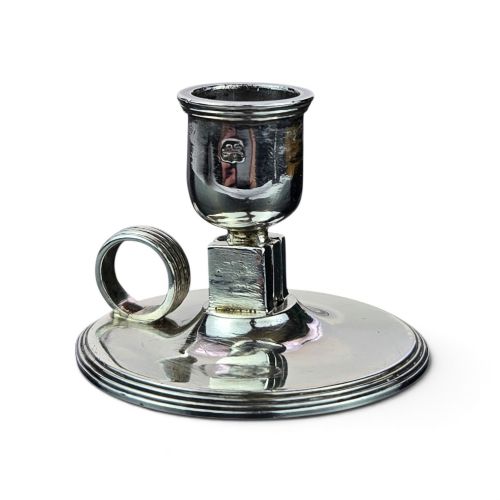
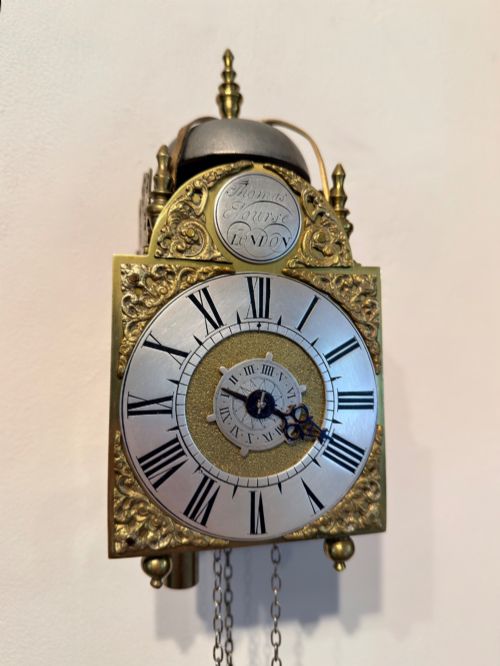
The selections on this page range from functional items like folding tapersticks, etuis and carriage clocks to novelty pieces such as swan pin cushions and dressing table furniture.
These works demonstrate the skill of silversmiths who replicated full-sized domestic furnishings and timepieces at a fraction of their normal scale.
Materials and construction
Silversmiths constructed these smaller items using sterling silver, Old Sheffield plate, brass and steel, often incorporating glass, velvet, copper and oak to render miniature furniture, clocks and boxes realistically.
Makers applied traditional silversmithing techniques, including piercing, engraving and casting, to achieve intricate details such as working clock movements, hinged lids and tiny drawers.
English Silver Miniature Retail Price Guide 2026
Typical asking prices for english silver miniature among the pieces listed under this phrase on Sellingantiques today, from the lower quarter to the upper quarter. They describe what is for sale here now, not the wider market.
Someone cared enough to register a triple spirit barrel design in Victorian England just so you could pour very tiny drinks.
Judging quality in miniature silver
Quality rests upon the crispness of the chasing and engraving, and whether the proportions of the miniature remain true to its full-sized counterpart.
Pieces that retain working mechanical elements, such as folding tapers or clock movements, demonstrate a higher degree of technical mastery from the maker.
John Reilly·J Batson & Son·Henry Matthews
The English Silver Miniature Glossary
- Etui
- A small ornamental case used for holding needles, tweezers or other toilet implements. These pocket-sized containers often feature finely chased silver surfaces.
- Taperstick
- A small candlestick designed to hold a thin wax taper for lighting pipes or sealing letters. Miniature versions replicate full-sized Georgian lighting forms.
- Old Sheffield plate
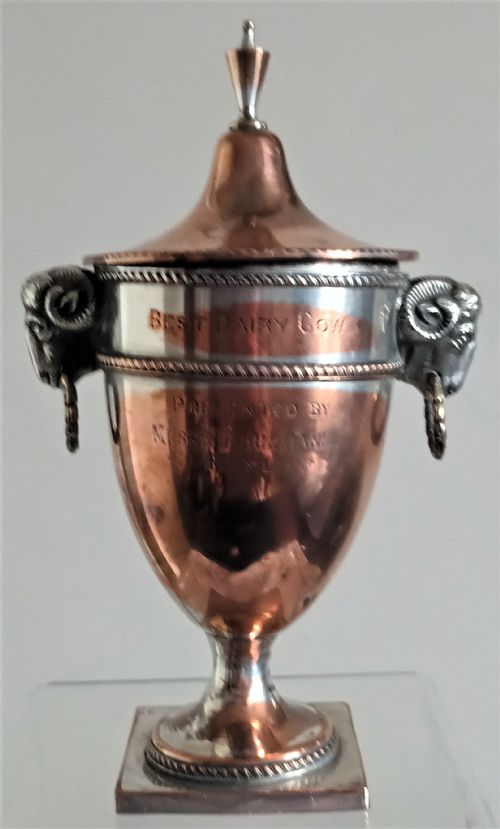
- A material made by fusing a thin sheet of silver to a thicker copper base. It appears on eighteenth-century hollowware and small decorative urns.
- Skeleton clock
- A timepiece with an open framework that exposes the gear train and movement. Victorian miniature examples showcase intricate brass and steel mechanism design.
English Silver Miniature: Frequently Asked Questions
What were English silver miniature items actually used for?
Many of these small items served genuine domestic purposes, such as etuis for sewing tools, carriage clocks for travel, and tapersticks for sealing letters with wax.
Other pieces were created primarily as decorative novelties, cabinet curiosities or children's dollhouse furnishings, reflecting the full-sized domestic fashions of their respective eras.
How do I identify the period of a miniature clock?
Dating relies upon stylistic markers, such as the Gothic architectural details found on Victorian skeleton clocks or the clean lines associated with Edwardian and later carriage clocks.
Examining the materials, movement construction and any visible hallmarks helps narrow down the decade of manufacture.
How should I display miniature silver in my home?
Because of their small scale, these pieces are best housed inside a glass-fronted cabinet or on a dedicated shelf where they are protected from handling and dust.
Placing them near adequate lighting allows the fine engraving, hallmarks and chased details to be properly appreciated.