

English Silver Holder
An english silver holder brings functional elegance to the table, uniting practical utility with the refined craftsmanship of past centuries.
English Silver Holder
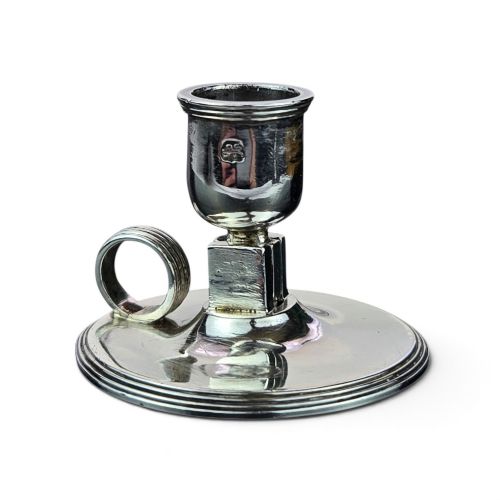
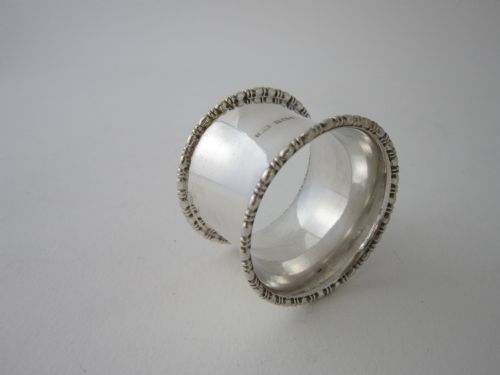
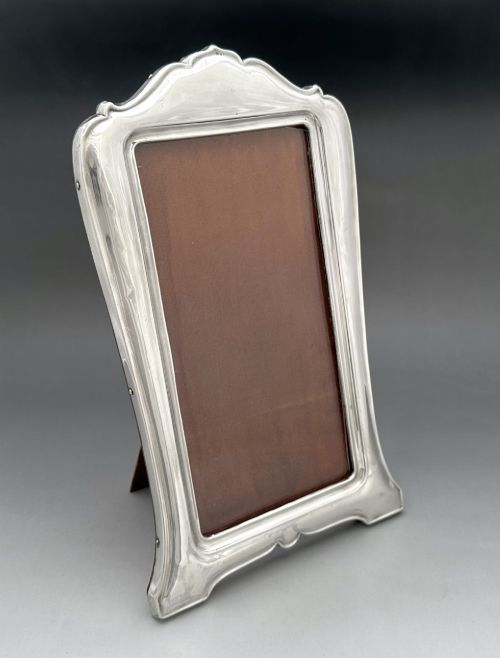
The term english silver holder covers a diverse array of tabletop and desk accessories designed to organise everyday items. Buyers browsing this selection encounter numerous forms, from napkin rings and menu holders to candlesticks, toast racks, and photograph frames.
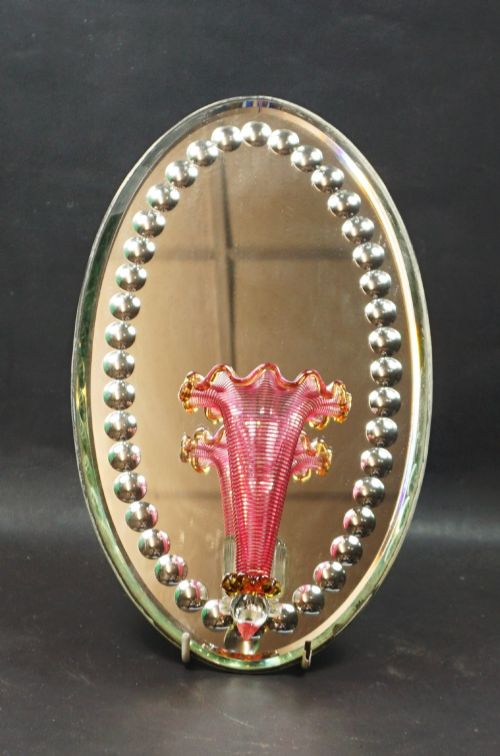
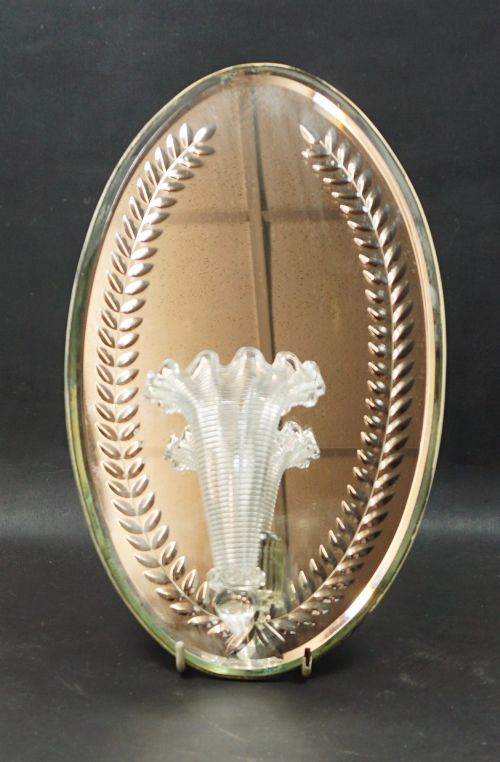
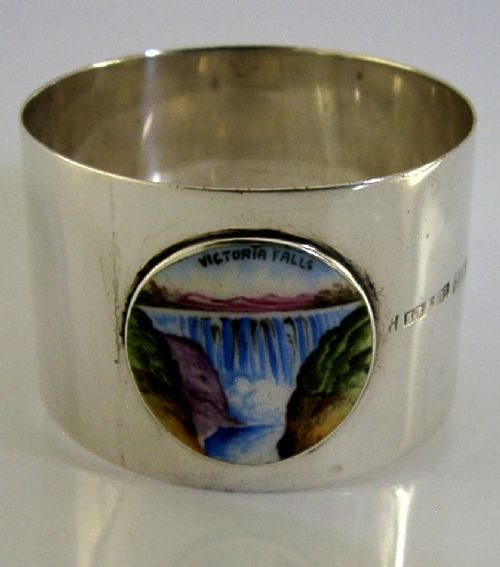
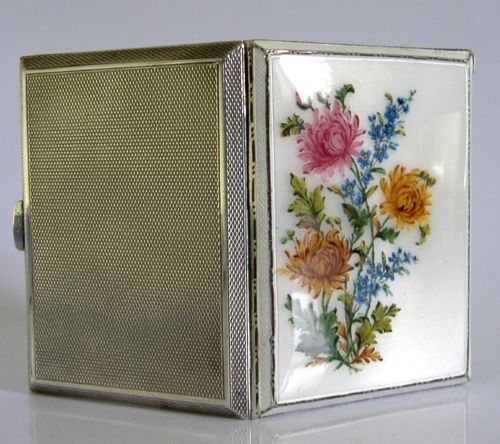
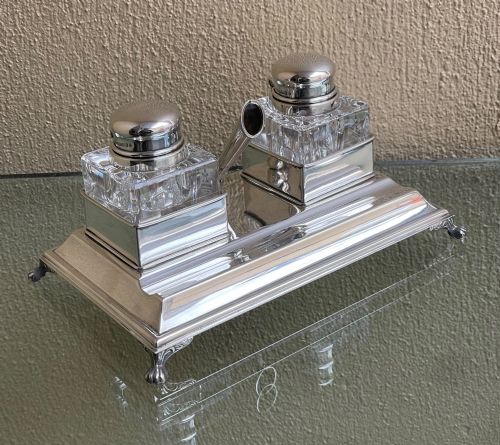
The pieces span multiple eras, with strong representation from the Victorian and Edwardian periods alongside George V and George VI examples. Alongside solid sterling silver, many incorporate glass, enamel, wood, and silk elements.
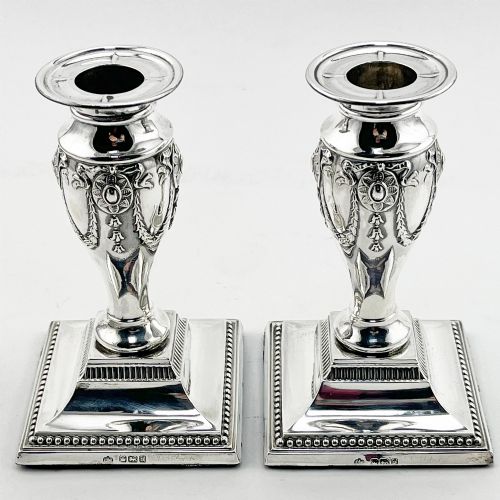
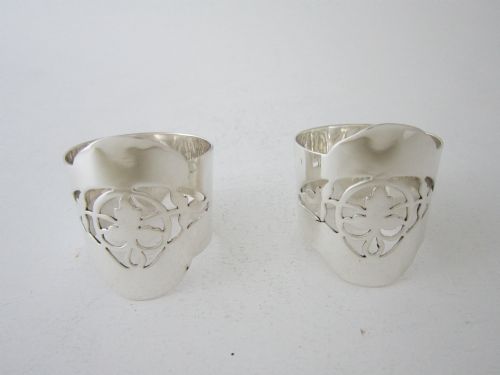
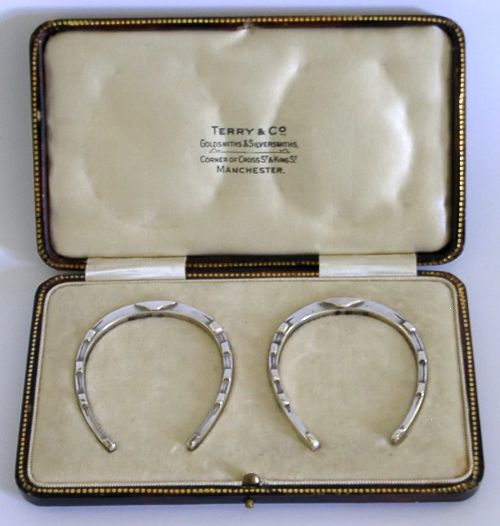
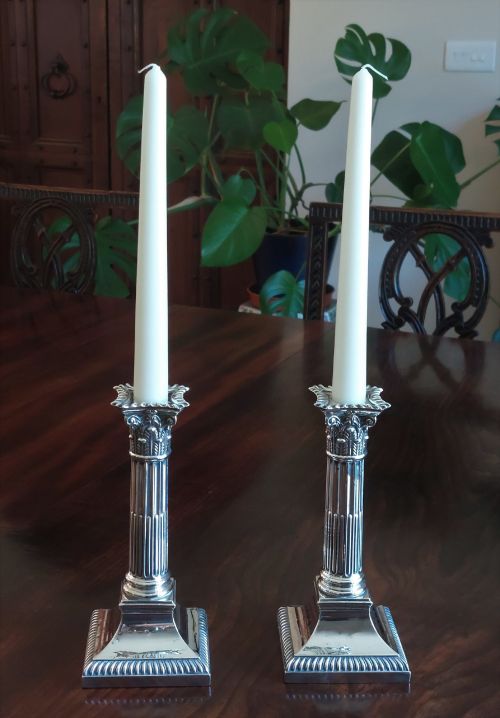
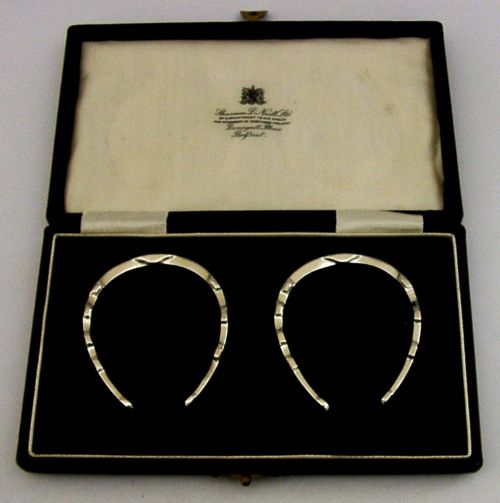
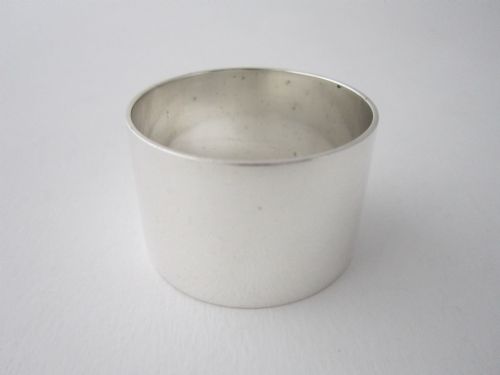
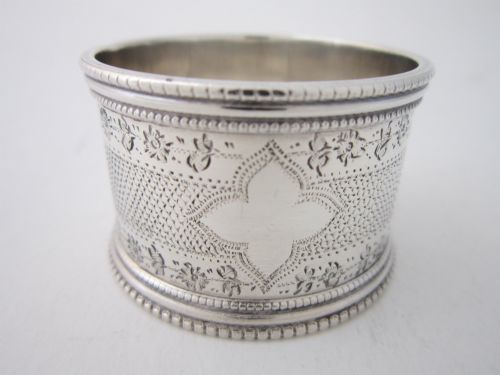
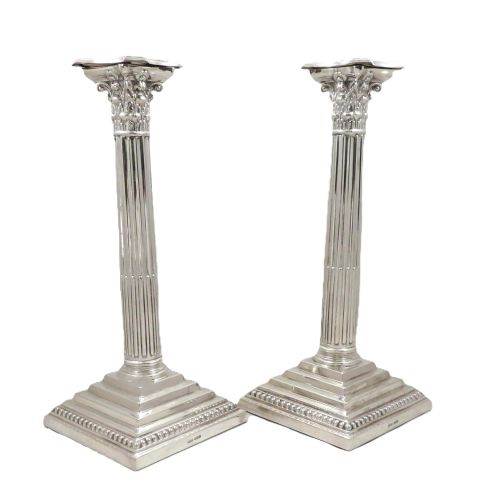
Candlesticks and napkin rings appear frequently among the listings, often grouped in matching pairs or cased sets. Each object reflects the domestic habits and dining rituals of its period of origin.
Materials and Techniques
Makers utilised sterling silver and silver plate as primary structural metals, frequently applying techniques such as engine-turning to create geometric surface patterns. Old Sheffield plate and pewter also appear among the earlier items on the page.
Decorative embellishments often involved hand-painted enamel, crystal or cranberry glass inserts, and cast figural elements shaped into animals or motifs. Wooden backing supports feature in photograph frames and string boxes, adding structural stability to the precious metal facades.
English Silver Holder Retail Price Guide 2026
Typical asking prices for english silver holder among the pieces listed under this phrase on Sellingantiques today, from the lower quarter to the upper quarter. They describe what is for sale here now, not the wider market.
Listings feature items spanning the Georgian era up to the mid-twentieth century, incorporating sterling silver, glass, and enamel.
Craftsmanship and Weight
Superior examples distinguish themselves through substantial metal weight and crisp, deep hallmarks that record the year and assay office accurately. Finer menu holders and napkin rings display intricate hand-chasing rather than mass-produced stamping.
The integrity of secondary materials, such as undamaged enamel panels or unclouded crystal glass inserts, elevates the overall standard of a piece. Maker attributions to prominent silversmiths further separate exceptional specimens from standard domestic wares.
John Reilly·Elkington and Co·Garrard and Co·Robert Pringle·John Cafe·Barker Ellis
The English Silver Holder Glossary
- Hallmark
- An official stamp applied to precious metals indicating the standard of purity, the assay office, and the date of manufacture. These small stamped symbols provide the most reliable method for dating English silver.
- Engine-turned
- A decorative mechanical technique that engraves intricate geometric patterns into metal surfaces. This method was widely used on cigarette cases and photograph frames during the twentieth century.
- Old Sheffield plate
- An early form of composite metal created by fusing a thin sheet of silver to a thicker copper base. Pieces made with this technique often reveal hints of copper along exposed edges.
- Taperstick
- A small candlestick designed specifically to hold a wax taper rather than a full-sized household candle. These miniature stands were used for melting sealing wax on correspondence.
- Cruet set
- A matched assembly of glass bottles or silver containers designed to hold condiments at the dining table. They frequently sit within a dedicated silver frame or stand.
English Silver Holder: Frequently Asked Questions
How do I clean silver holders?
Use a soft microfiber cloth and a mild silver polish formulated specifically for antiques to preserve the original surface. Avoid harsh chemical dips that can strip away desirable patination and damage delicate enamel or glass components.
Store pieces in dry environments away from direct sunlight and high humidity. Regular, gentle dusting prevents tarnish build-up without requiring aggressive scrubbing.
What periods do these pieces span?
The selection includes items ranging from Georgian and Victorian eras through Edwardian times and into the mid-twentieth century under George V, George VI, and Elizabeth II. Each era introduced distinct stylistic shifts, moving from ornate revivalism to clean modernist lines.
Reviewing the hallmarks and stylistic motifs helps pinpoint the exact decade of manufacture. Makers often adapted traditional forms to suit changing domestic fashions across these generations.
Are enamel pieces fragile?
Hand-painted enamel surfaces require careful handling to prevent chipping or scratching, particularly on items like cigarette cases and napkin rings. Displaying them away from high-traffic areas reduces the risk of accidental impact.
Cleaning should exclude abrasive pads or harsh solvents that could dull the glossy finish. Gentle wiping with a damp cloth maintains the vibrant colours safely.
How are pairs matched?
Matched pairs of candlesticks or napkin rings typically share identical maker marks, assay office symbols, and date letters from the same year. Minor variations in hand-finished chasing can occur, which confirms their authenticity as genuine period items.
Keeping cased sets together preserves their historical integrity and collectible appeal. Inspecting the base reveals matching weights and construction methods used by the silversmith.