





English Seventeenth Century Seating
English seventeenth century seating brings heavy oak and fruitwood joinery into a room, offering sturdy benches, wainscot armchairs, and joint stools built to last generations.
English Seventeenth Century Seating
English seventeenth century seating encompasses robust domestic furniture created for practical daily life, ranging from utilitarian joint stools to formal wainscot armchairs. Buyers exploring english seventeenth century seating encounter heavy timber construction, high backs, and straightforward forms designed for functional household use.
Materials and construction methods
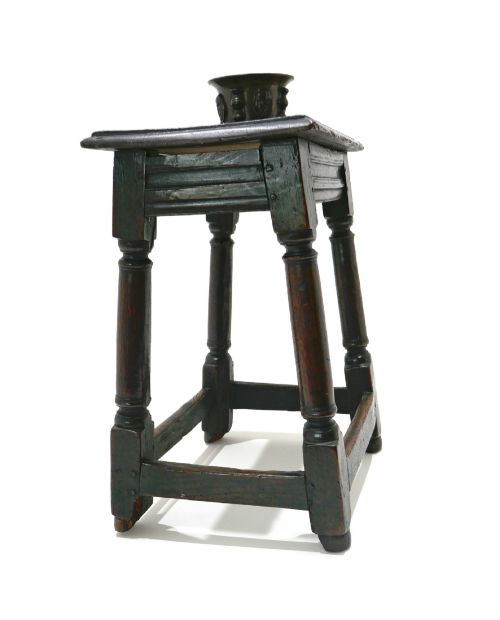
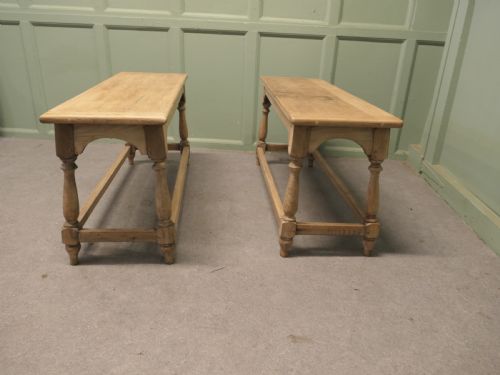
Makers relied primarily on native hardwoods, shaping oak, elm, fruitwood, and cane into rigid frames using traditional joinery. Wooden pegs secure joints without modern fixings, fastening mortise and tenon connections across armchairs, side chairs, and benches.
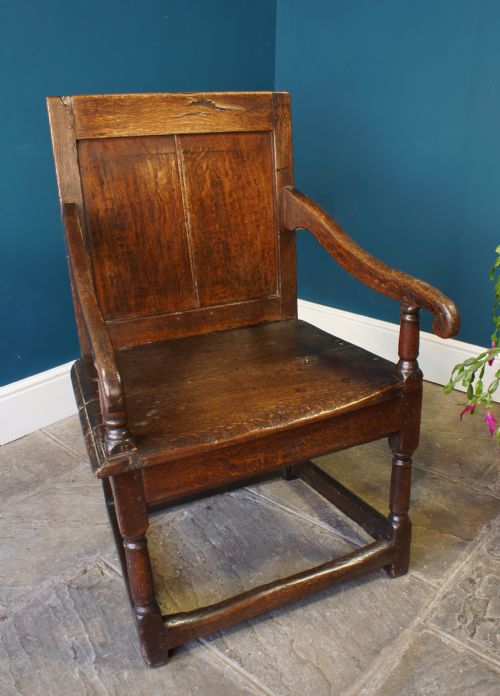
Individual forms utilise specific structural choices, such as turned legs on joint stools and solid panelled backs on wainscot armchairs. Iron elements occasionally reinforce stress points on larger settle benches and master armchairs.
English Seventeenth Century Seating Retail Price Guide 2026
Typical asking prices for english seventeenth century seating among the pieces listed under this phrase on Sellingantiques today, from the lower quarter to the upper quarter. They describe what is for sale here now, not the wider market.
Listings feature oak, fruitwood, elm, and cane alongside iron reinforcements and wooden pegs across seventeenth-century and revival periods.
Distinctions in craftsmanship and survival
Quality separates pieces by the integrity of their timber and the crispness of surviving hand tool work. Grain selection in the oak or fruitwood defines the visual weight of an armchair or stool.
Condition rests on how much original material remains intact beneath centuries of use and later restorations. The honesty of surface patination and the tightness of joined framing determine the enduring value of each chair.
The English Seventeenth Century Seating Glossary
- Joint stool
- A sturdy wooden stool constructed with mortise and tenon joints and wooden pegs rather than turned legs alone. These pieces served multiple domestic purposes from sitting to reaching high shelves.
- Wainscot chair
- A heavy wooden armchair featuring a panelled backrest and solid wooden seat, typical of high-status seventeenth-century interiors. The term originally described fine oak panelling applied to walls.
- Bacon settle
- A high-backed wooden bench, frequently made of elm, designed with an enclosed lower section or upper rack for curing and storing meat. They sheltered inhabitants from drafts in large farmhouse kitchens.
- Fruitwood
- Timber sourced from fruit-bearing trees such as pear or apple, prized for its fine grain and warm tone. Makers utilised it for smaller or child-sized seating like lambing chairs.
- Jacobean style
- A decorative manner originating in the early seventeenth century during the reign of James I, characterised by heavy proportions and geometric carved ornamentation. Revival versions of this style appeared centuries later.
English Seventeenth Century Seating: Frequently Asked Questions
What is a wainscot chair?
A wainscot chair is a heavy wooden armchair featuring a solid panelled back and a box-like wooden seat. These pieces represented significant status in seventeenth-century households due to the cost and skill required to work thick oak.
They were typically positioned near the hearth or used by the head of the household. The solid construction provided protection against cold drafts in large, unheated rooms.
How were joint stools used?
Joint stools served as versatile household seating and sturdy surfaces for everyday tasks before chairs became common. Their pegged frames allowed them to support substantial weight without loosening.
People used them around dining tables, as portable seats by the fire, or even as platforms for reaching high shelves. Several stools could be tucked away neatly beneath trestle tables when not in use.
What is an elm bacon settle?
An elm bacon settle is a high-backed wooden bench designed for farmhouse kitchens to block cold drafts from doors. The high back and solid wings trapped heat from the hearth around the sitter.
Some examples featured compartments or integrated rails near the top for storing and drying cured meats. Elm provided a tough, resilient timber that withstood the heavy demands of rural domestic life.
How do I distinguish original seventeenth-century pieces from later revivals?
Distinguishing period pieces involves examining the tool marks, timber shrinkage, and method of joinery construction. Seventeenth-century makers used hand saws and adzes, leaving irregular surface textures that differ from machine-cut nineteenth or twentieth-century revival furniture.
Signs of genuine age include natural wear patterns around footrests and the oxidation of exposed oak over centuries. Revival pieces from the nineteen-hundreds often employ cleaner machine-planed timber and different pegging patterns.