

English School Oil
When you explore english school oil paintings, you encounter centuries of historic portraiture and domestic landscapes capturing the character of British art.
English School Oil
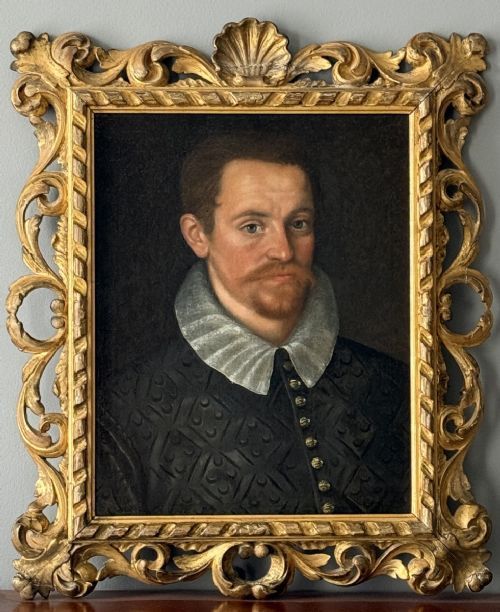
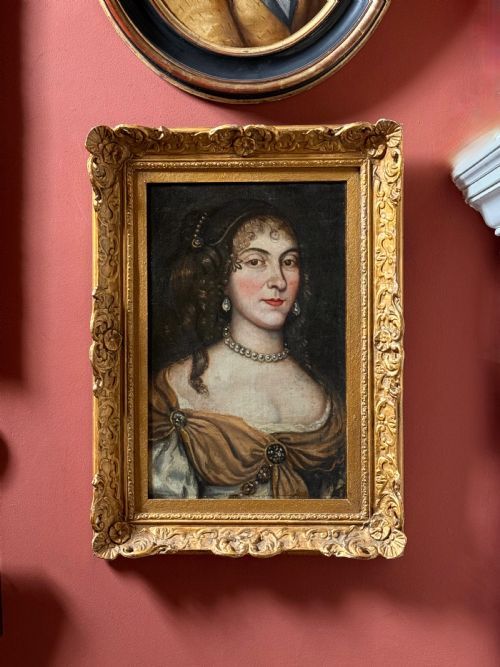
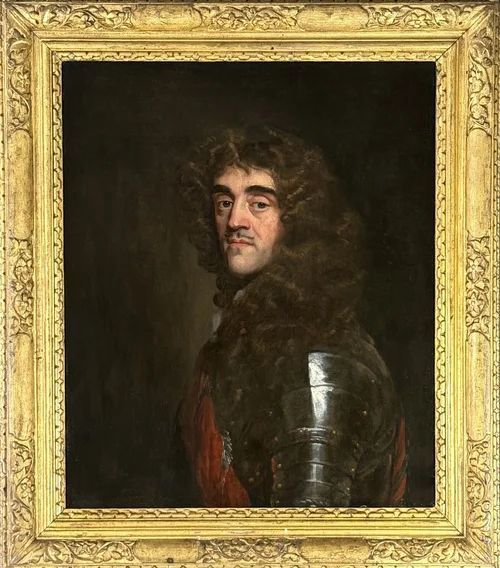
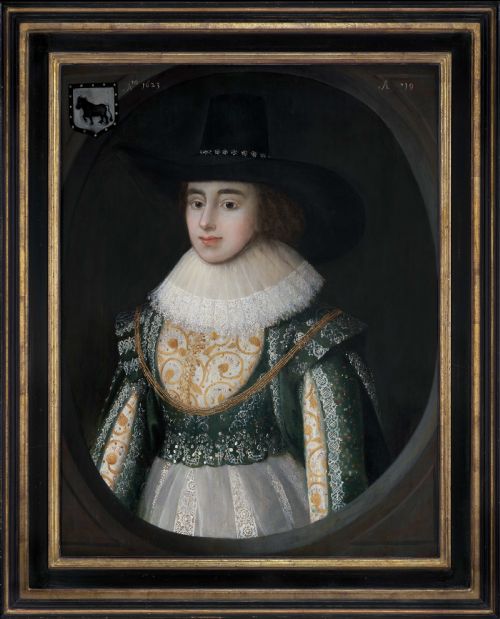
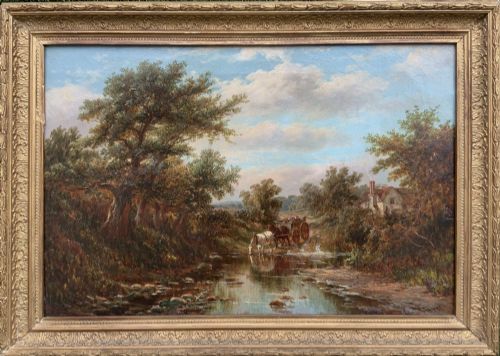
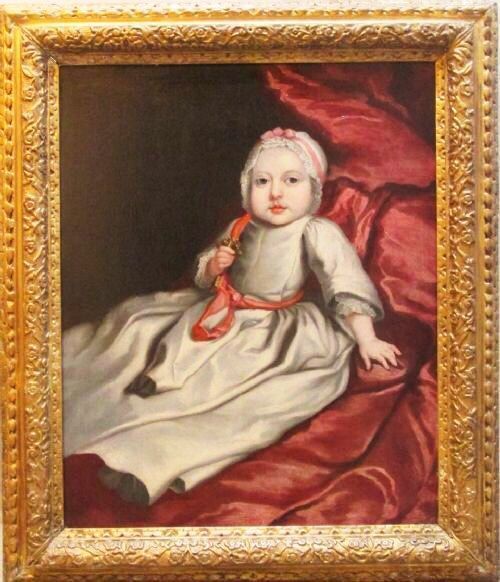
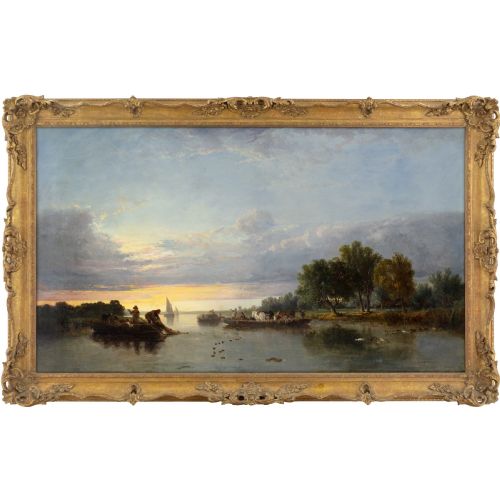
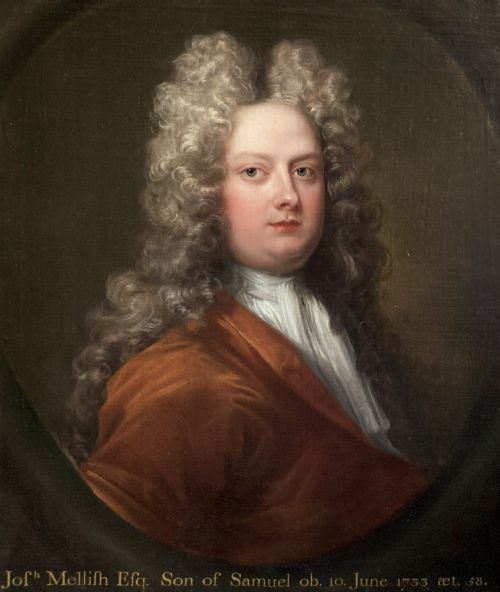
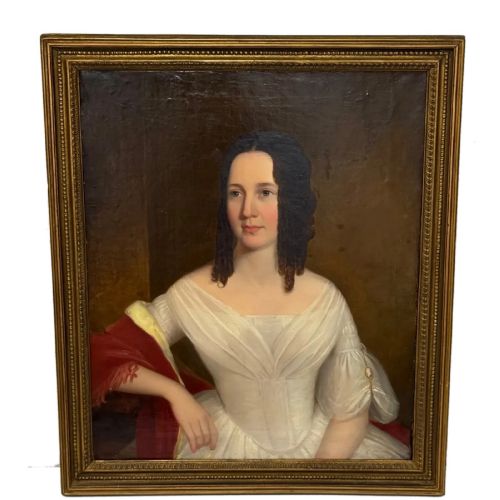
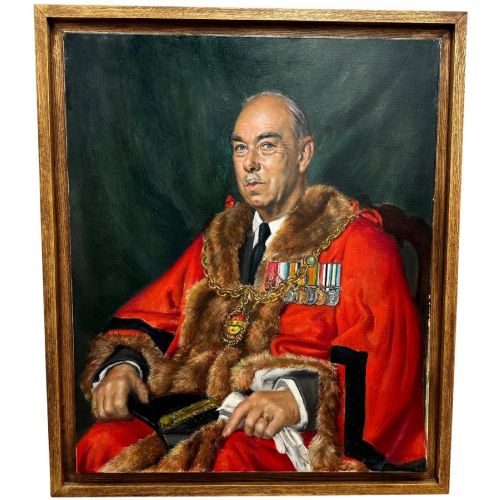
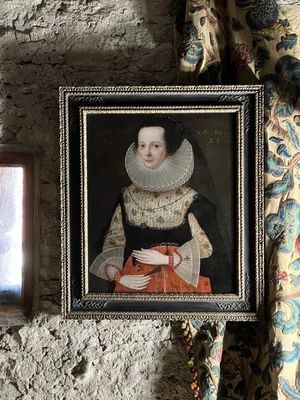
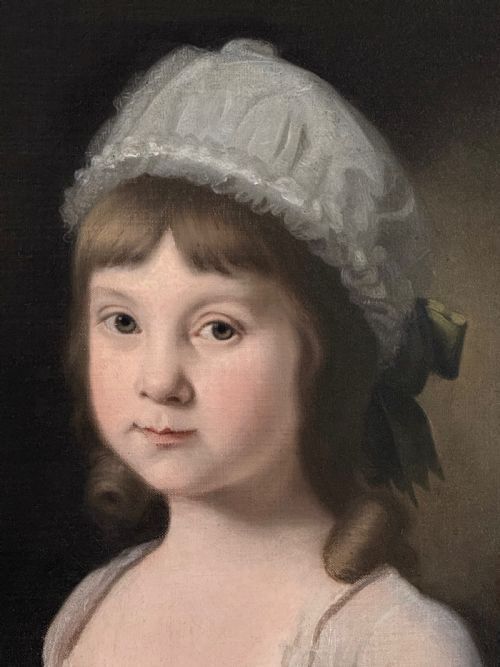
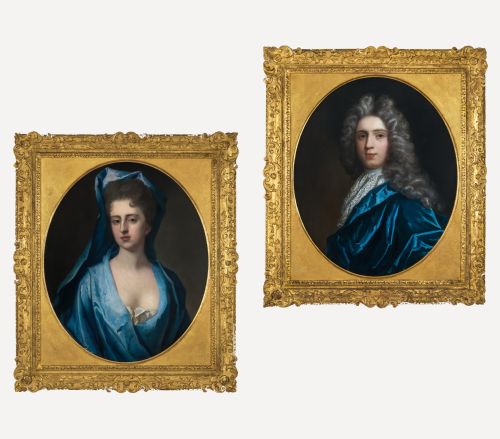
An english school oil painting captures the historic output of painters working within Britain across the seventeenth, eighteenth, and nineteenth centuries, ranging from formal aristocratic portraits to vernacular landscapes and rural genre scenes. These works frequently record the likenesses of landed gentry, local professionals, and nobility alongside countryside views, coastal shipping, and domestic animals.
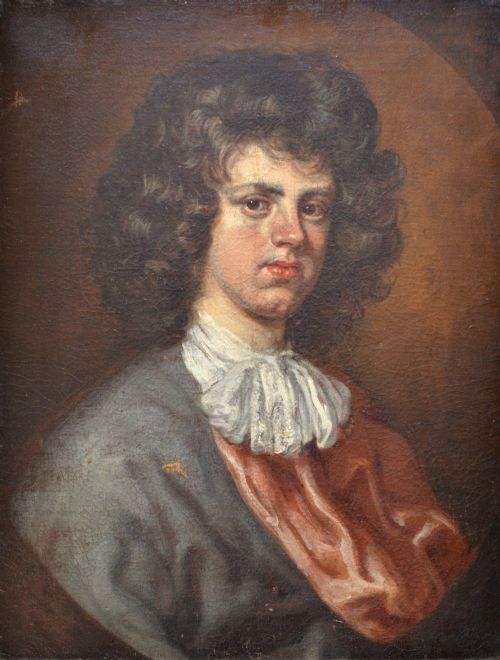
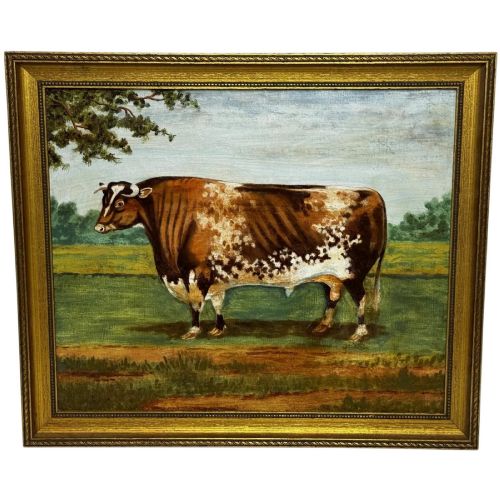
On this marketplace, the vast majority of pieces you will meet are portraits dating from the Georgian and Victorian eras, executed on canvas or wooden panels by trained hands or provincial practitioners. Alongside these sit topographical views, townscapes, and naïve rustic compositions created by regional artists working in specific historical traditions.
The term frequently encompasses both signed pieces by recognised masters and works attributed to regional circles, followers, or anonymous hands documented simply as the British or English school. This variety offers collectors access to genuine period brushwork, historical costume, and architectural records spanning multiple centuries of British painting.
How They Were Made
The foundational support for these works is typically tightly woven linen canvas stretched over a wooden frame, though earlier seventeenth-century examples frequently utilise solid wood panels. Painters applied ground layers to prepare the surface before building up images using oil paint formulated from ground pigments suspended in drying oils such as linseed.
Finished canvases were traditionally housed in heavy timber frames embellished with gesso and gold leaf or finished in giltwood, which frequently bears the marks of period framing techniques. Pigments relied heavily on natural earth colours, lead whites, and mineral extracts applied with hog bristle brushes and fine sable details.
The listings feature seventeenth-century panel paintings alongside nineteenth-century rural landscapes.
What Varies in Quality
The anatomical accuracy and psychological depth of the subject separate masterworks from provincial production, particularly in portraiture where hand placement, facial modeling, and fabric rendering reveal the artist's training. Superior pieces display confident, expressive brushwork and convincing light sources that create genuine volume in drapery and flesh.
The survival of the original surface condition dictates the aesthetic value of the piece, measured by the stability of the paint layer, minimal overpainting, and the absence of disruptive craquelure. Furthermore, the presence of period-appropriate giltwood framing enhances the historical integrity and visual presence of the painting.
Charles Jervas·Joshua Reynolds·Michael Dahl·Thomas Murray·Mary Beale·Godfrey Kneller·Benjamin Barker Of Bath·Thomas Lawrence·John Greenhill·William Beechey·Thomas Sidney Cooper·Cornelius Johnson·Anthony van Dyck·John Riley·John Closterman·Joseph Highmore
The English School Oil Glossary
- Oil on canvas
- A painting technique utilising pigment suspended in drying oil applied to a stretched cloth support. This combination allowed artists to blend tones smoothly and work across extended periods as the paint dried slowly.
- Giltwood
- Timber carved and coated with gold leaf or metallic powder to create a brilliant decorative surface. These frames provide essential structural support and historical context for antique paintings.
- Circle of
- A term used in attribution indicating that a work was produced by an unidentified artist closely associated with a known master, often sharing a studio or distinct stylistic traits. It denotes high-level contemporary execution without bearing the master's signature.
- Naïve school
- Art produced by painters lacking formal academic training, characterised by flat perspectives, direct observation, and charming domestic details. These works offer unfiltered records of everyday historical life.
- Doublet
- A close-fitting men's jacket worn during the sixteenth and seventeenth centuries, frequently seen in early English school portraits featuring elaborate embroidery and ruffs. Its depiction helps date early works accurately.
English School Oil: Frequently Asked Questions
What is an English school painting?
An English school painting refers to a work produced by an artist working in Britain, encompassing both named professionals and anonymous hands from specific historical periods.
These pieces document the stylistic shifts, portrait traditions, and landscape tastes of British art history over several centuries.
How do I date an antique oil painting?
Dating relies heavily on the clothing, hairstyles, and accessories worn by sitters in portraits, as well as the construction of the canvas stretcher and wooden panel.
Material analysis of the pigments and the style of the frame also provide crucial clues for establishing the era of creation.
What does attribution mean on a listing?
Attribution indicates that an expert has linked a historically unsigned or undocumented painting to a specific artist's studio, circle, or manner based on stylistic comparison.
Terms like follower of or circle of clarify that the work is contemporary to the master rather than signed by their hand.
How should I care for an oil on canvas?
Oil paintings require stable indoor humidity and temperature levels away from direct sunlight and strong heat sources to prevent the canvas from slackening and the paint from cracking.
Dusting should be performed gently with a soft, dry brush, avoiding any moisture or chemical cleaning agents on the delicate paint surface.