

English Rural Artwork
English rural artwork captures the quiet fields, country inns and farmyard scenes of past centuries through oil and watercolour.
English Rural Artwork
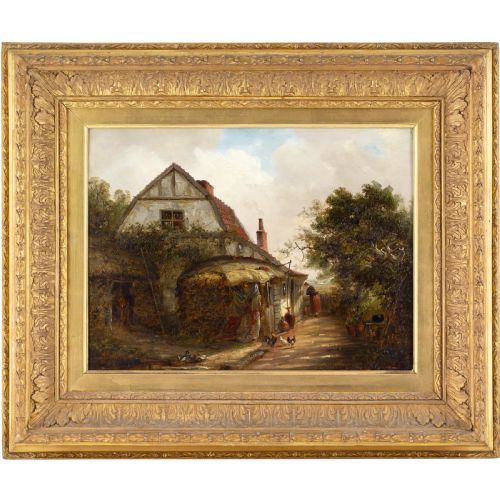
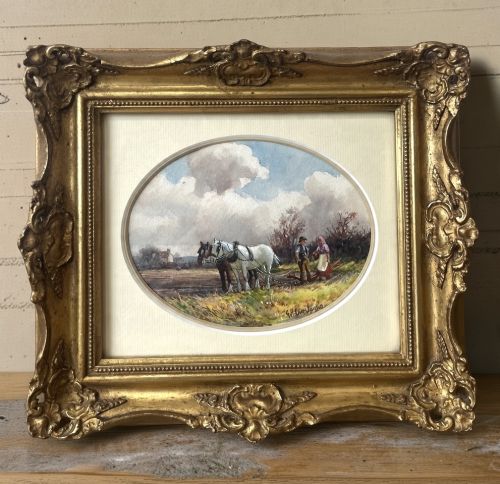
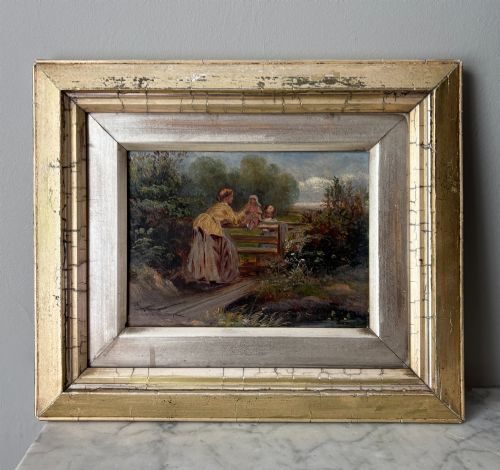
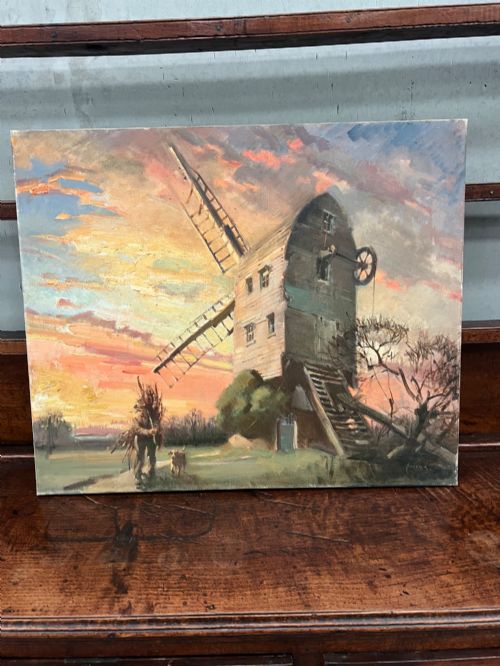
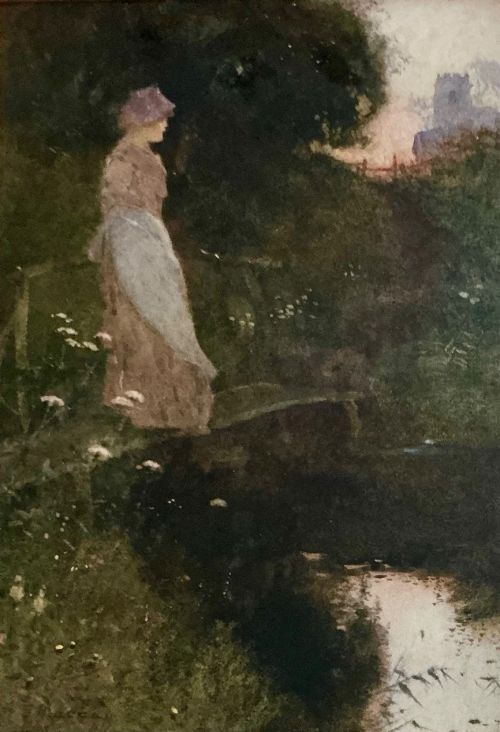
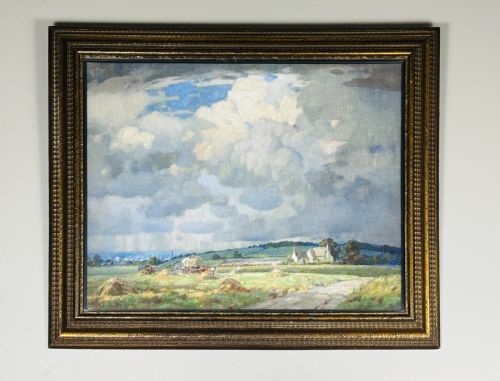
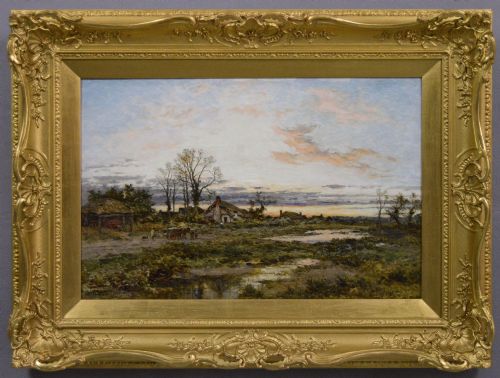
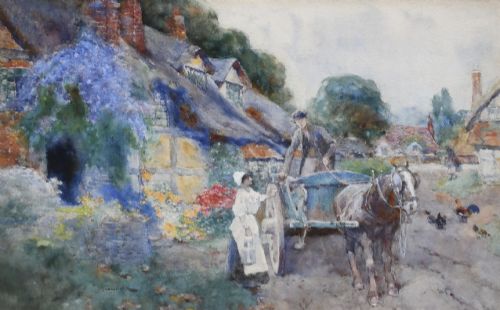
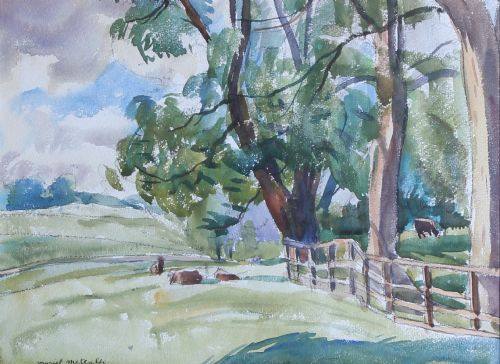
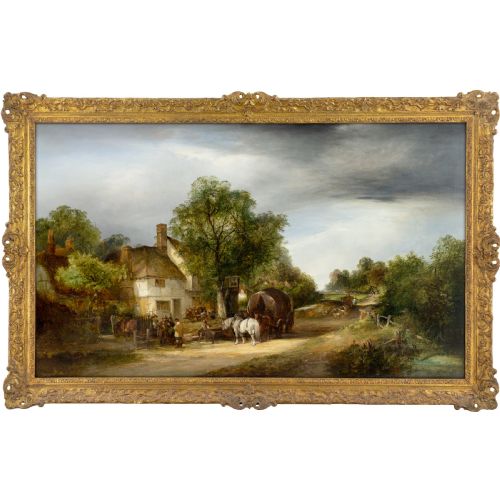
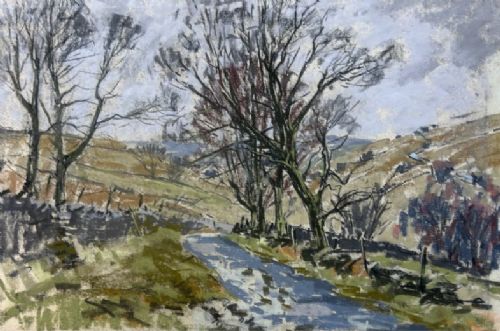
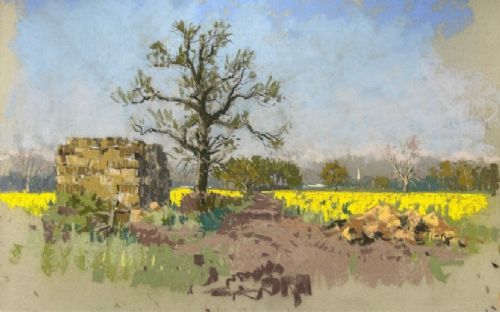
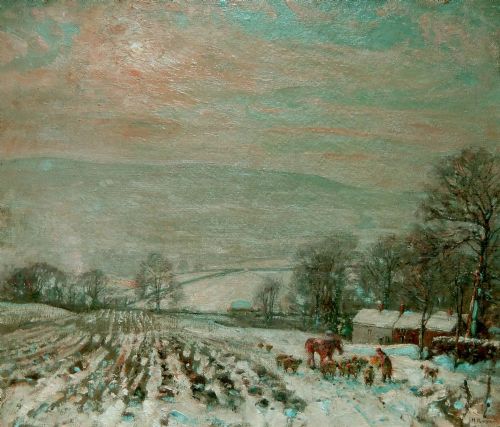
This selection of English rural artwork encompasses oil paintings, watercolours and pastels depicting countryside scenes, farmyards and village life. These pieces primarily span the nineteenth and twentieth centuries, recording rural landscapes from Yorkshire to Sussex.
Buyers encounter works executed on canvas, wood panel, board and paper, often framed in gilt wood. The forms range from small watercolours to substantial framed oil paintings.
The subjects focus on traditional rural themes, including agricultural work, cottage scenes and pastoral views observed by British artists across various periods.
Materials and technique
Artists painted primarily in oil on canvas, wood panel or board, alongside watercolours and pastels on paper. These traditional mediums allowed for varying textures, from the smooth washes of watercolour to the heavier impasto of oil paint.
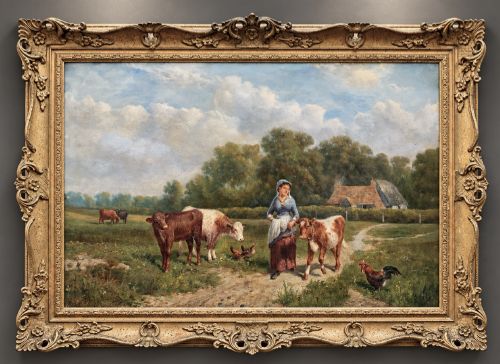
Supports frequently include stretched canvas, wooden boards and sturdy paper sheets housed within original or period frames of gilt wood and glass.
English Rural Artwork Retail Price Guide 2026
Typical asking prices for english rural artwork among the pieces listed under this phrase on Sellingantiques today, from the lower quarter to the upper quarter. They describe what is for sale here now, not the wider market.
Several paintings record cows, sheep, pigs and ponies diligently participating in nineteenth-century farmyard life.
Quality and execution
Quality rests upon the artist's handling of light, atmosphere and perspective within the landscape. Superior works demonstrate confident brushwork and a coherent composition that brings depth to the pastoral subject.
The condition of the surface medium and the integrity of the original support also distinguish individual pieces, alongside the survival of the period framing.
Angus Rands·Samuel Joseph Clark·Thomas Thomas·Edward Charles Williams·William Shayer·Percy Lancaster·William Howard Hardy·A. Marie Parsons·John McDougal·Herbert Royle·Robert A. Nottingham·David Bates·Walter Heath Williams·George Morland·John Horace Hooper·George Augustus Holmes·Raymond Booth·Frederick Walker·George Oyston·William Greaves·Miles Birkett Foster·Charles Henry Slater·Herman S Melville·Charles Edward Wilson·Edgar Woollatt
The English Rural Artwork Glossary
- Oil on canvas
- Pigment bound in drying oil applied to a woven fabric support stretched over a wooden frame. This method was standard for durable, large-scale paintings.
- Watercolour
- A paint consisting of colourants suspended in a water-soluble vehicle, typically applied to paper. It yields translucent washes suited to luminous skies and landscapes.
- Pastel
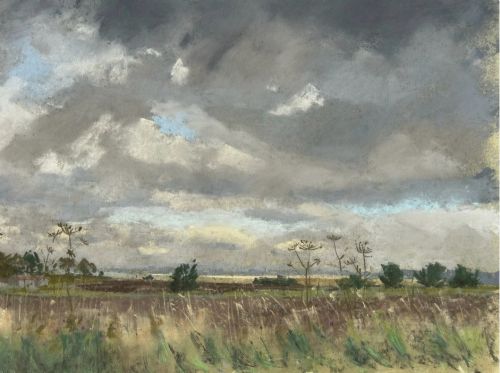
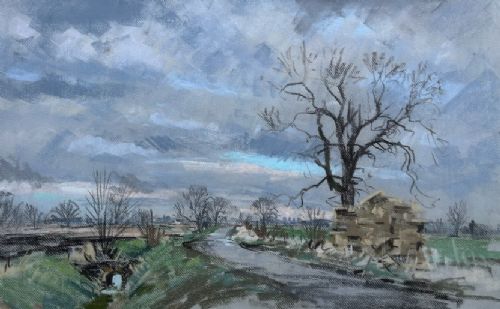
- A dry drawing medium consisting of powdered pigment and a binder rolled into sticks. Artists used it on paper to capture soft atmospheric effects.
- Gilt wood
- Timber treated with a thin layer of gold leaf or metallic powder. It commonly forms the decorative surrounds of traditional frames.
- Pastoral landscape
- A genre of artwork depicting rural life and agricultural scenes in an idealized or realistic manner. These views focus on farms, fields and country figures.
English Rural Artwork: Frequently Asked Questions
What periods do these artworks cover?
The selections span the nineteenth and twentieth centuries, capturing Victorian, Edwardian and mid-century British artistic styles.
Most pieces date from the eighteen-fifties through to the nineteen-sixties, reflecting changing approaches to landscape painting.
What surfaces were used for these paintings?
Artists worked on stretched canvas, wooden boards, card and heavy paper sheets.
Watercolours and pastels appear predominantly on paper supports, while oils utilise canvas, panel or board.
How should I frame these pieces?
Many works retain their period gilt wood frames, which complement the traditional subject matter.
If framing an unmounted paper watercolour, ensure conservation-grade materials and glass protect the surface from light damage.
Where do these scenes originate?
The locations depict various English rural settings, including Yorkshire dales, Sussex villages and Dorset lanes.
Artists often recorded specific regional topography and agricultural activities from observation.