

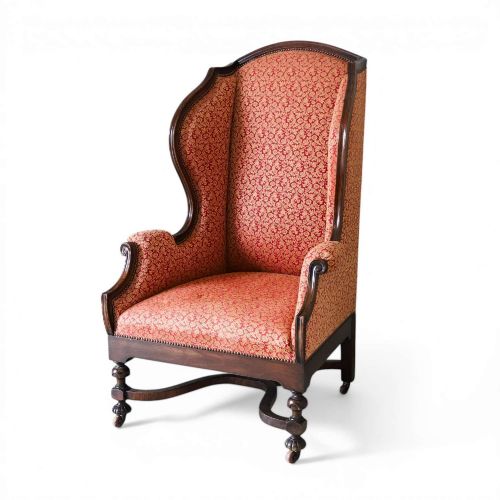


English Revival Armchair
An english revival armchair brings historic domestic theatre to a room through heavy timber and deep upholstery.
English Revival Armchair
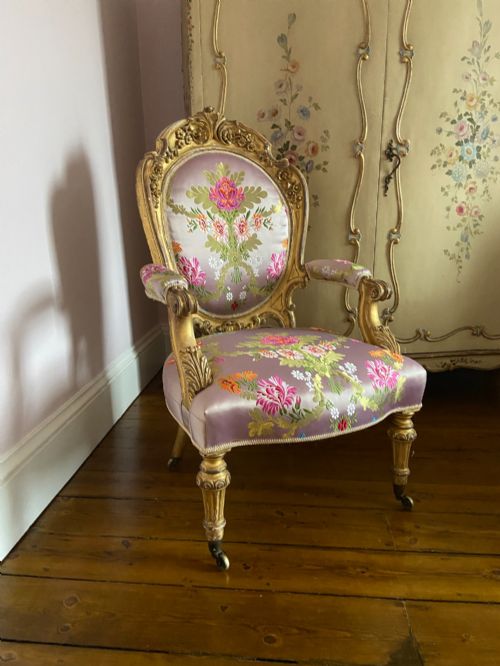
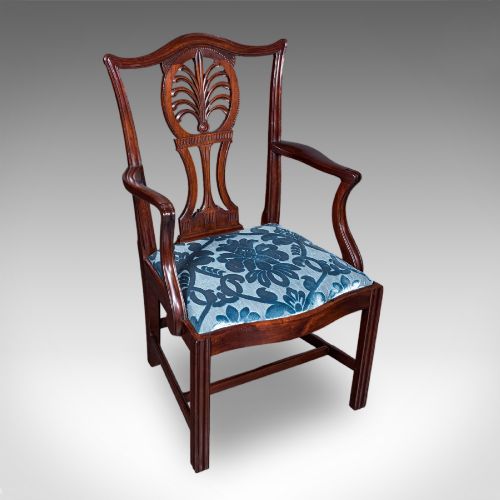
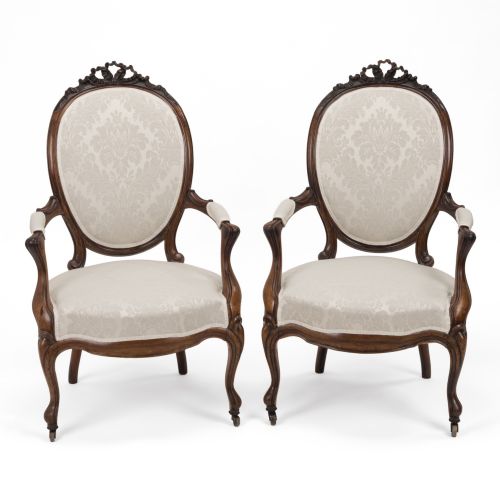
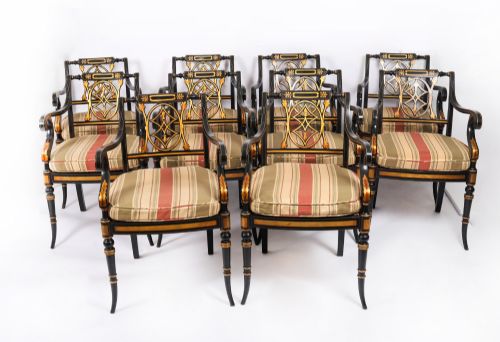
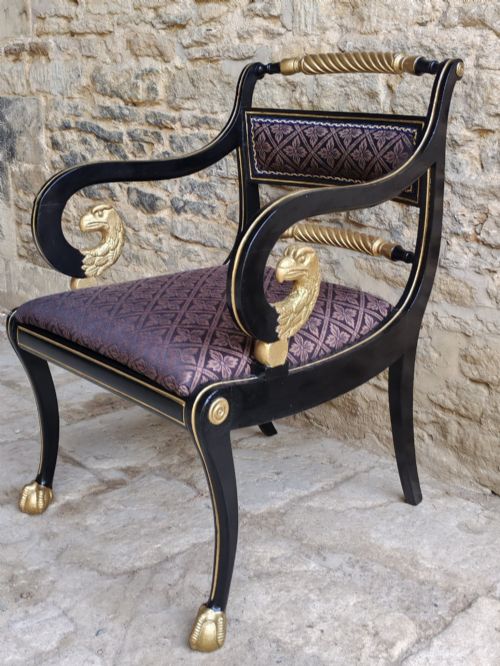
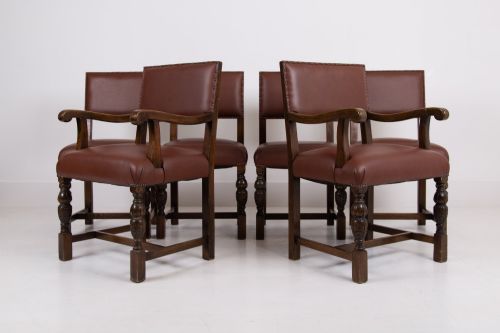
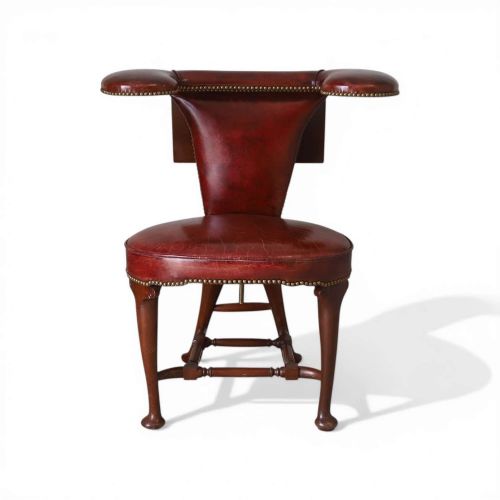
An english revival armchair revives historic forms from earlier centuries, drawing heavily upon Gothic, Jacobean, Chippendale, and Georgian vocabularies to create imposing seating.
The pieces appearing on this page span from the mid-nineteenth century through the early twentieth century, capturing Victorian and Edwardian interpretations of older domestic seating.
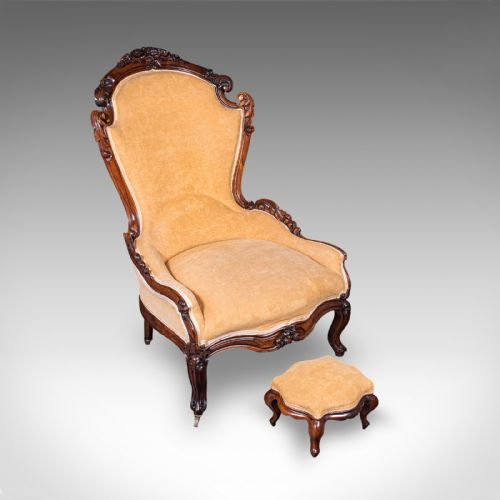
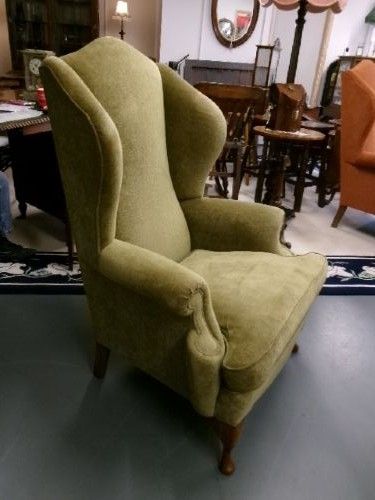
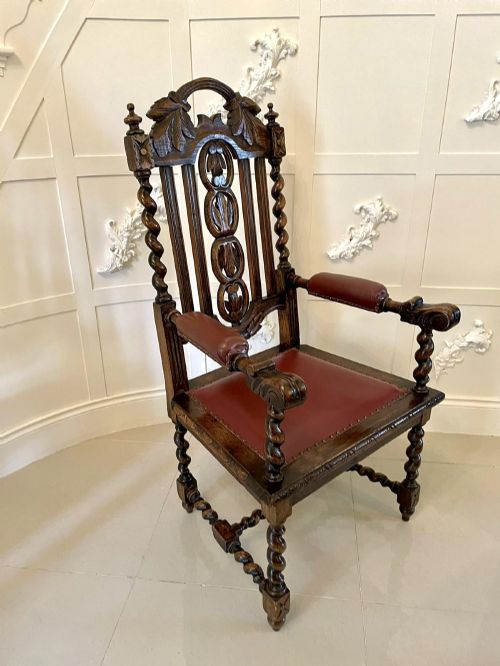
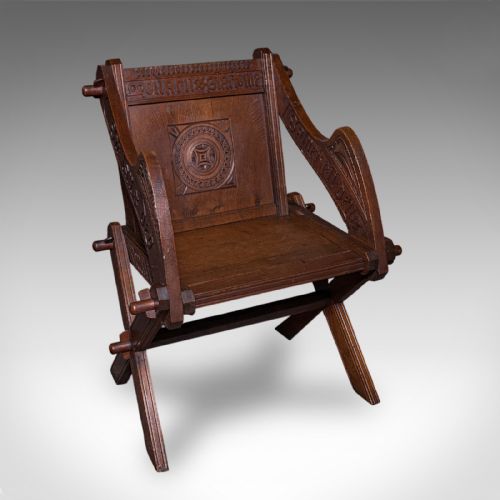
Among these, the heavy oak Glastonbury chair and the carved oak armchair dominate the selection, alongside wing armchairs upholstered in leather and velvet.
How they were made
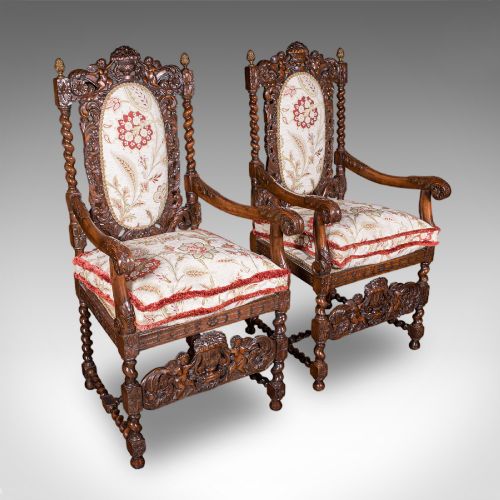
Carpenters utilised solid oak, walnut, beech, and pitch pine to construct sturdy frames, frequently employing barley twist turnings and elaborate hand-carving to mimic antique prototypes.
Upholstery relied on traditional stuffing methods finished with fabric, leather, or velvet, while decorative touches included brass accents, parcel gilt, and painted wood surfaces.
English Revival Armchair Retail Price Guide 2026
Typical asking prices for english revival armchair among the pieces listed under this phrase on Sellingantiques today, from the lower quarter to the upper quarter. They describe what is for sale here now, not the wider market.
What varies in quality
The standard of carving distinguishes superior examples, where crisp relief work and deep undercut details show the hand of a skilled craftsman rather than a mechanical router.
Timber selection and joinery integrity dictate longevity, separating heavy, solid oak frames with tight joints from lighter constructions prone to movement and looseness.
The English Revival Armchair Glossary
- Glastonbury chair
- A distinctive X-framed folding armchair with a sloping back and panel armrests, heavily associated with Gothic revival design. Victorian makers produced numerous oak interpretations of this ecclesiastical form.
- Turner's chair
- A three-legged armchair constructed entirely from turned wooden spindles and members, also known as a Saxon chair. These sturdy seats date their lineage to the Tudor period but saw revivals in the nineteenth century.
- Barley twist
- A decorative turning technique resembling a spiralling rope, frequently utilised on the legs and arm supports of mid-nineteenth-century oak armchairs. This moulding adds dynamic movement to heavy timber frames.
- Parcel gilt
- A surface treatment where selective areas of wood or carving are gilded with thin gold leaf while the remaining surface shows painted or natural timber. It highlights specific architectural details on revival furniture.
- Pierced splat
- A vertical central strip of wood within a chair back that is pierced with decorative cut-outs, commonly seen in Chippendale and Georgian revival dining and salon chairs.
English Revival Armchair: Frequently Asked Questions
What is a Glastonbury chair?
A Glastonbury chair is a distinctive X-framed wooden armchair featuring a sloping panel back and flat armrests. It derives its name from an ancient relic and became a favourite subject for Victorian Gothic revival makers.
These seats are typically constructed from solid oak or pitch pine. They bring a strong architectural presence to a corner or hall.
How do I identify a Turner's chair?
A Turner's chair, sometimes called an old Saxon chair, is built using numerous turned wooden spindles assembled into a triangular or square seat. The construction method relies entirely on cylindrical turned components rather than flat boards.
They appear frequently in nineteenth-century oak, offering a sturdy and geometric silhouette. Their historic origins trace back centuries before the Victorian revival period.
What is an english revival armchair made of?
These armchairs are predominantly constructed from solid oak, walnut, beech, and pitch pine. Frames frequently incorporate carved details, barley twist supports, and painted or parcel gilt finishes.
Upholstered variants feature coverings of leather, velvet, and patterned fabric. The combination of dense timber and tactile textiles defines the material palette.
Which periods do these armchairs come from?
The listings span from the mid-nineteenth century through the Edwardian era and into the early twentieth century. Victorian and Edwardian workshops produced these revival pieces to satisfy a growing domestic appetite for historic styles.
Though they mimic Tudor, Stuart, and Georgian aesthetics, the construction techniques and timber treatment reflect nineteenth-century manufacturing methods.