


English Regency Drawers
English regency drawers bring architectural proportion and rich cabinet timber into a room, offering functional storage grounded in classical design.
English Regency Drawers
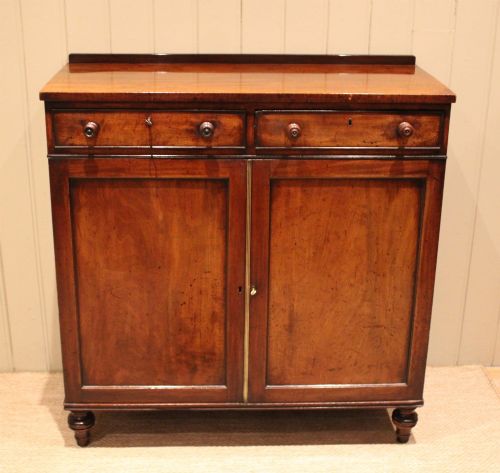
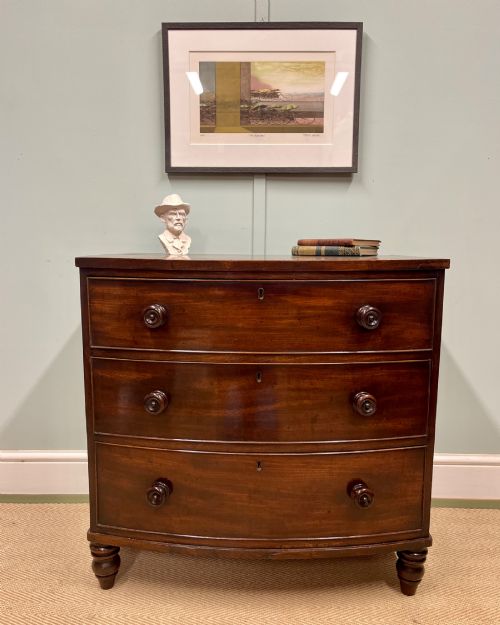
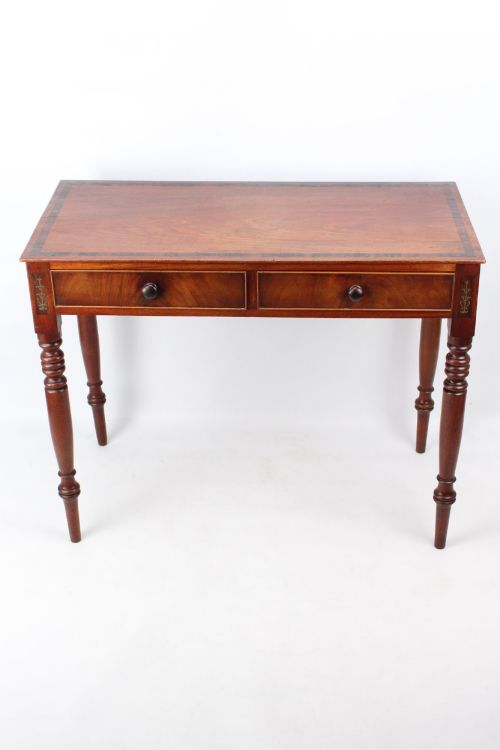
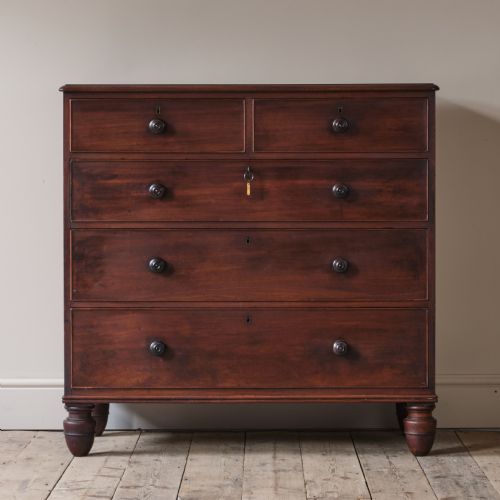
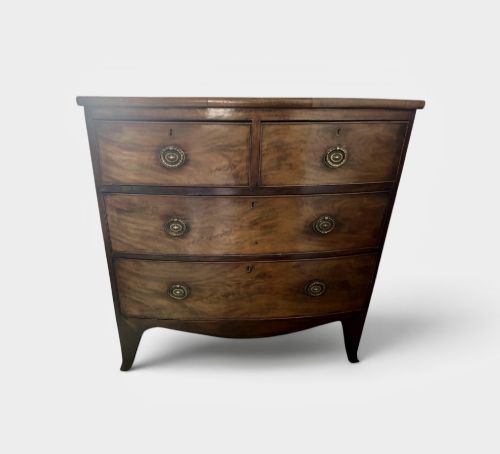
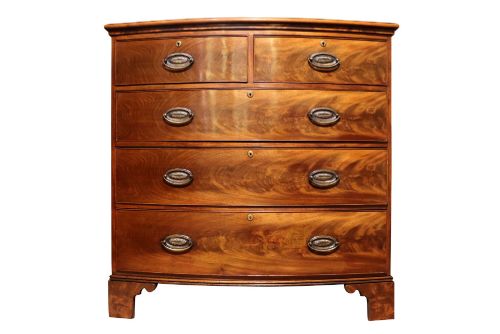
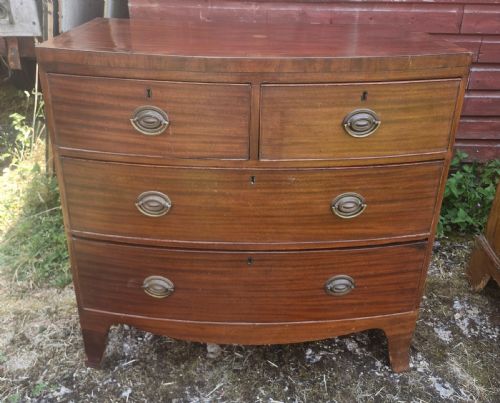
English regency drawers encompass formal chests, writing desks, and occasional stands from the early nineteenth century. The typical form encountered on this page is the bow front chest of drawers in rich mahogany.
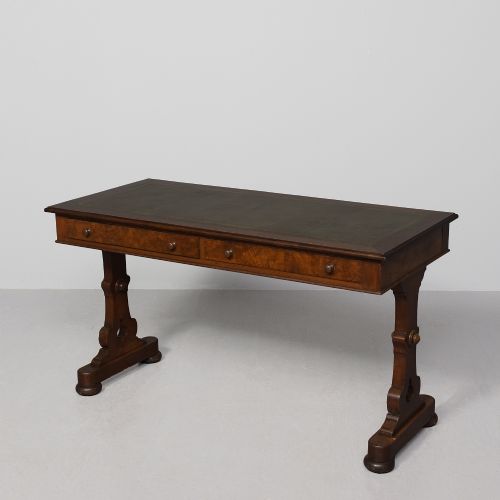
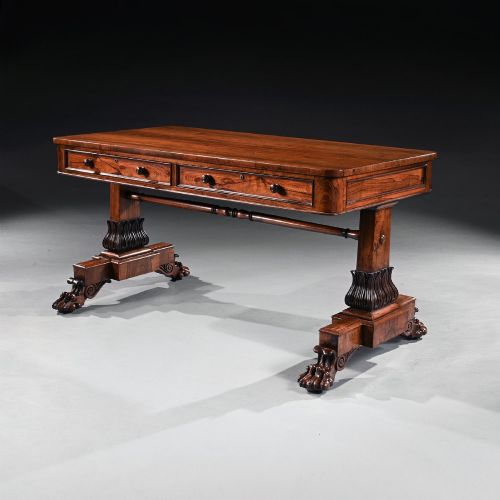
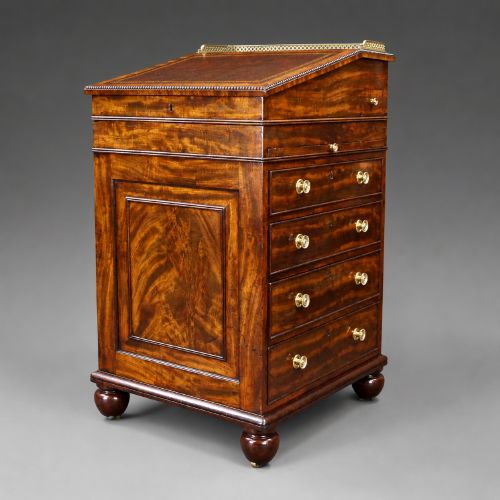
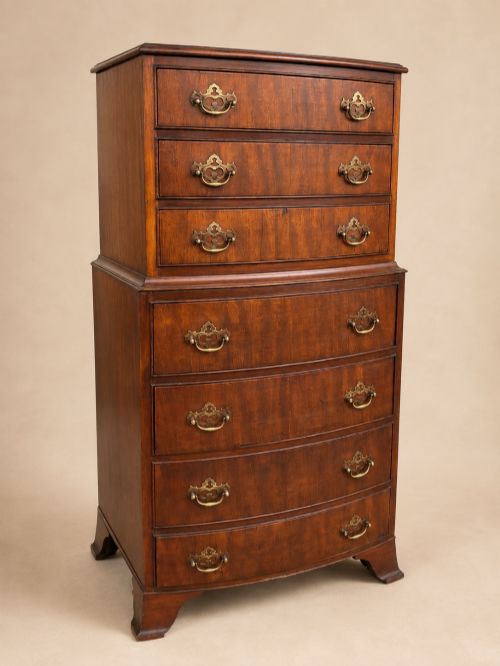
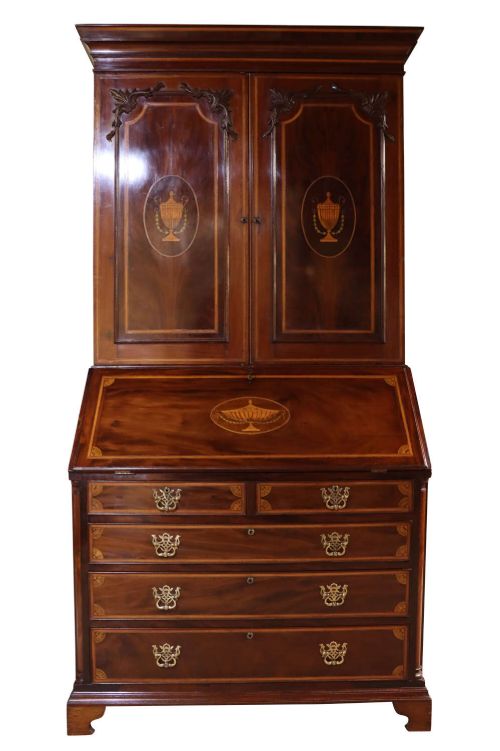
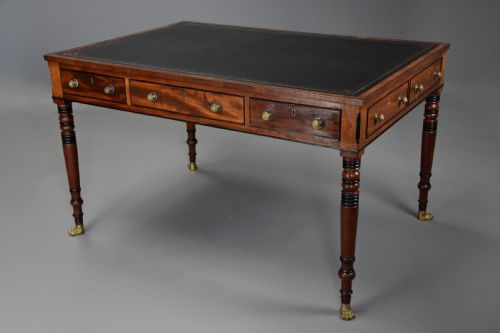
Makers and cabinetmakers of the period also produced larger chests, bureaus, sofa tables, and specialised canterburys featuring fitted drawer compartments. The selection spans the Regency, Georgian, and William IV periods, executed in mahogany, flame mahogany, and painted pine.
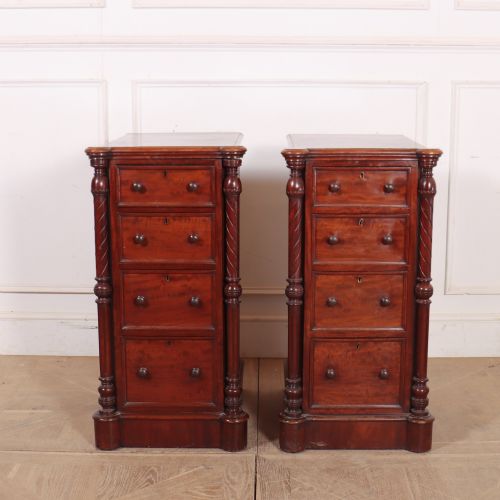
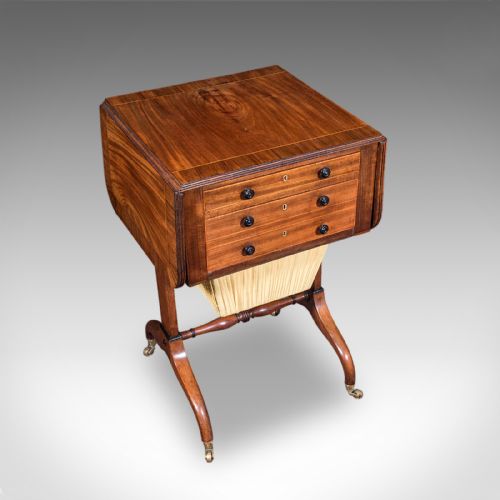
Beyond standard bedroom chests, the evidence shows smaller desktop collector cases, bedside pieces, and Pembroke tables with integrated drawers. These forms highlight the era's focus on compact utility combined with polished surface design.
Materials and Construction
Cabinetmakers relied heavily on solid mahogany, flame mahogany, and burr walnut, often laid over secondary timbers such as pine. Brass handles, escutcheons, and occasional inlays provided contrast against the dark timber surfaces.
Construction techniques prioritized stability and figured grain presentation, utilising book-matched veneers on drawer fronts and curved bow or D-shaped carcases. Surface treatments ranged from polished French polish to painted finishes mimicking finer woods.
English Regency Drawers Retail Price Guide 2026
Typical asking prices for english regency drawers among the pieces listed under this phrase on Sellingantiques today, from the lower quarter to the upper quarter. They describe what is for sale here now, not the wider market.
Early nineteenth-century cabinetmakers built specialised stands to tidy sheet music and newspapers before the invention of the coffee table.
Assessing Quality and Execution
Superior examples display careful timber selection, where flame mahogany veneers are symmetrical and grain patterns align across multiple drawer tiers. Lesser pieces rely on plain timber stocks with simpler joinery.
The refinement of brass hardware, the presence of original locks and keys, and the smoothness of drawer action separate workshop pieces from standard commercial output. Secondary woods and interior drawer linings reveal the underlying standard of construction.
Gillows·T & G Seddon
The English Regency Drawers Glossary
- Bow front
- A convex curved cabinet front that projects outward in a smooth arc. This shape is frequently seen on chests of drawers from the Regency period.
- Flame mahogany
- A veneer cut from timber where the grain resembles flickering flames. It creates a highly figured, decorative surface on primary drawer fronts.
- Canterbury
- A low stand featuring slatted partitions designed for holding sheets of music, newspapers, or magazines. Many examples incorporate a low drawer at the base.
- Pembroke table
- A drop-leaf occasional table with hinged flaps on either side and often a single integrated drawer. It was widely used for writing or sewing.
- Escutcheon
- A protective plate surrounding a keyhole, usually fashioned from brass. It guards the surrounding wood from wear caused by the key.
English Regency Drawers: Frequently Asked Questions
How do I identify a genuine Regency chest?
Look for proportion, timber selection, and construction methods consistent with the early nineteenth century. Genuine pieces typically feature solid mahogany or carefully matched veneers over pine secondaries.
Check the drawer linings and backboards for hand-cut joinery and age-appropriate wear. Hardware such as brass pulls and escutcheons should match the period style.
How should I care for antique mahogany drawers?
Keep wooden furniture away from direct sunlight and heat sources to prevent the timber from drying out and splitting. Maintain a stable indoor humidity.
Dust regularly with a soft, dry cloth and apply a quality beeswax polish periodically to nourish the grain. Avoid silicone sprays and excessive moisture.
Can I use a collector case as a desk?
Desktop collector cases and small cabinet pieces are designed for storing small items, documents, or specimens rather than for active writing. Their internal compartments are usually shallow.
For writing tasks, choose a designated desk, Pembroke table, or Davenport from the same era. These offer appropriate writing heights and surface space.