





English Regency Commode
An English regency commode brings architectural restraint and fine mahogany veneer into a room, offering both practical storage and classical proportion.
English Regency Commode
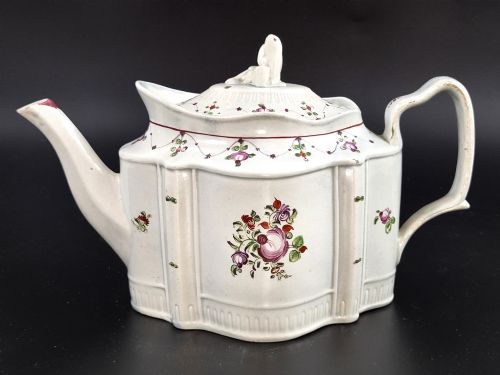
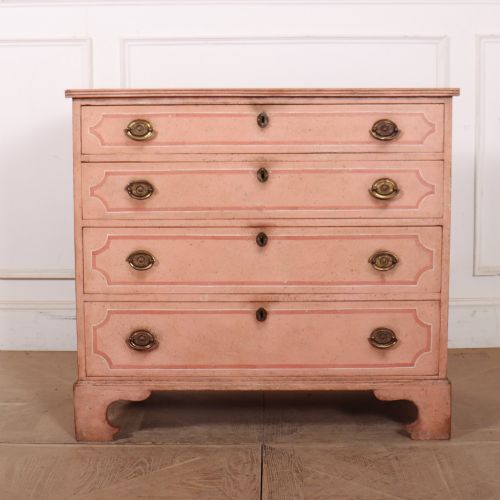
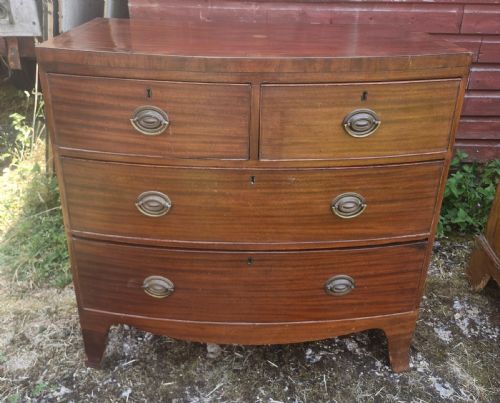
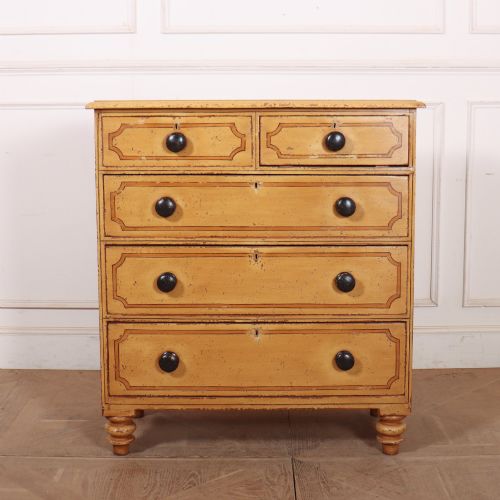
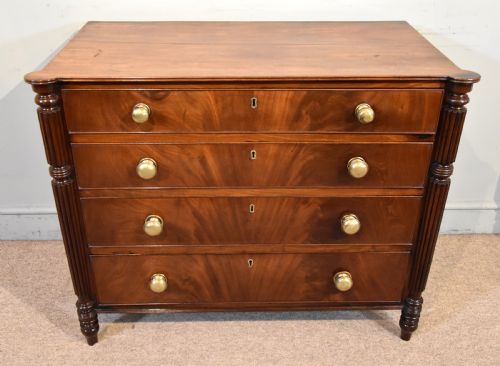
When you search for an english regency commode, you encounter a selection spanning the Regency, Georgian, and William IV periods, alongside later nineteenth century interpretations. The inventory primarily comprises chests of drawers and bow front chests alongside side cabinets, library steps, and earthenware teapots shaped as commodes.
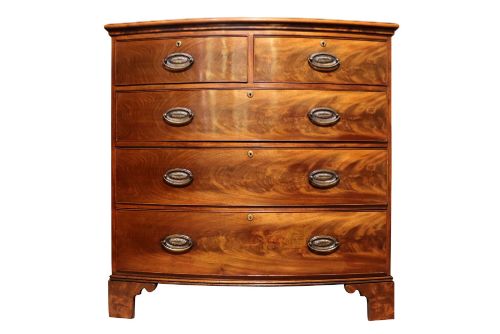
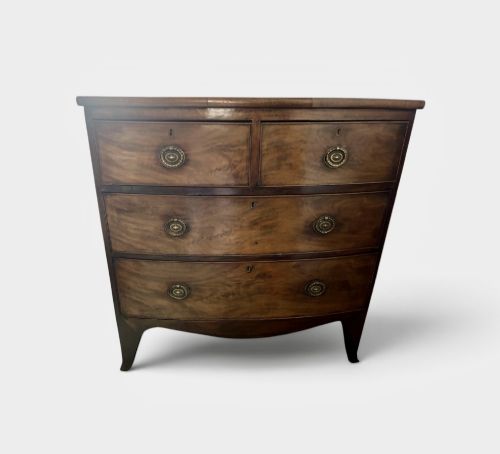
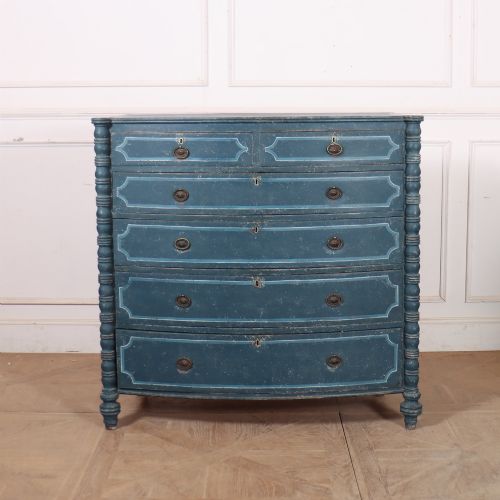
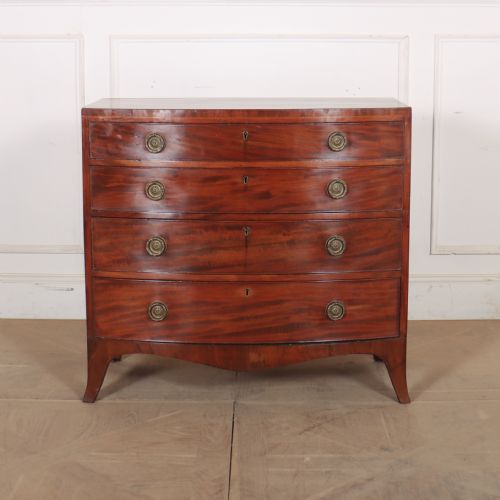
The dominant forms are straightforward case furniture rather than French-style commodes with serpentine fronts and elaborate gilt-bronze mounts. Many examples employ a bow front or graduated drawers, anchored firmly in English vernacular and neoclassical cabinet-making traditions.
How they were made
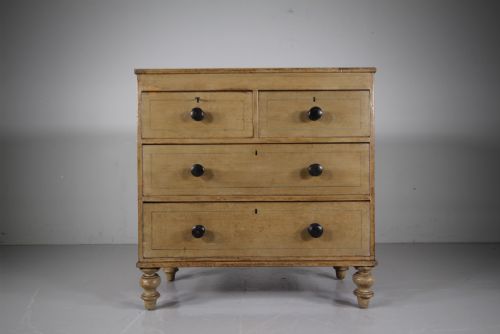
Cabinet-makers relied on solid timbers and careful veneers, utilising mahogany, flame mahogany veneer, burr oak, and painted pine supported by secondary woods such as oak and pine. Brass hardware, including ring pulls and handles, provides functional and decorative contrast to the dark timber grains.
Surfaces receive either a polished wood finish highlighting the figured grain or a painted treatment applied to pine. Construction techniques focus on sturdy carcase building, dovetailed drawer construction, and precise shaping of bow front profiles.
English Regency Commode Retail Price Guide 2026
Typical asking prices for english regency commode among the pieces listed under this phrase on Sellingantiques today, from the lower quarter to the upper quarter. They describe what is for sale here now, not the wider market.
The listings show periods ranging from Georgian and Regency to the nineteenth century, executed in mahogany, painted wood, and brass.
What varies in quality
Quality rests in the selection of timber figures, such as figured or flame mahogany veneer, and the crispness of the cabinet-maker's joinery. Superior pieces display harmonious proportions, intact original brass mounts, and well-fitted drawers that run smoothly within their housings.
Lesser pieces may exhibit compromised secondary woods, clumsy repairs, or replacement handles that disrupt the visual balance of the facade. The integrity of the painted finishes or polished surfaces also dictates whether a piece retains its historical character.
J. Jarvis
The English Regency Commode Glossary
- Bow front
- A cabinet front that curves outward in a convex shape, common in Regency case furniture. This profile softens the corners of a room while adding visual depth.
- Flame mahogany veneer
- A thin slice of mahogany timber cut from the fork of the tree to create a distinctive flickering flame pattern. Cabinet-makers used it on drawer fronts for decorative impact.
- Neoclassical
- A style drawing inspiration from classical antiquity, characterised by symmetry, straight lines, and restrained ornamentation. It heavily influenced English furniture design during the Regency era.
- Demi-lune
- A half-moon shape used for the footprint of side cabinets and tables. This form allows furniture to sit flush against a wall while saving floor space.
English Regency Commode: Frequently Asked Questions
What is an English regency commode?
An English regency commode typically refers to case furniture such as a chest of drawers or side cabinet made during the early nineteenth century under neoclassical influence. These pieces emphasise clean architectural lines and figured wood veneers.
While French commodes often feature elaborate mounts and serpentine shapes, English variations lean towards restrained bow fronts and practical storage.
How do I identify a Regency chest of drawers?
Look for characteristic design elements like mahogany veneers, brass ring handles, and bow front profiles. The proportions tend to be classical and balanced, reflecting the neoclassical taste of the period.
Examining the secondary woods inside the drawers, such as oak or pine, helps confirm the period construction methods used by cabinet-makers.
Where should I place a side cabinet?
A side cabinet or demi-lune piece works well in a hallway, dining room, or living space where floor area is at a premium. Its flat back sits neatly against the wall while providing a surface for lamps or decorative objects.
Ensure the piece is kept away from direct heat sources and strong sunlight to protect the mahogany veneer and polished wood finishes.
What materials are used in these pieces?
The primary visible timber is most often mahogany, frequently enhanced with flame mahogany veneer or burr oak accents. Other examples utilise painted pine or earthenware for specific forms like teapot designs.
Brass fittings and hardware complete the construction, providing both structural function and subtle decorative detail across the drawer fronts.