




English Regency Caddy
An English regency caddy is a refined wooden box made for storing dry tea leaves, bringing period elegance and craftsmanship to any room.
English Regency Caddy
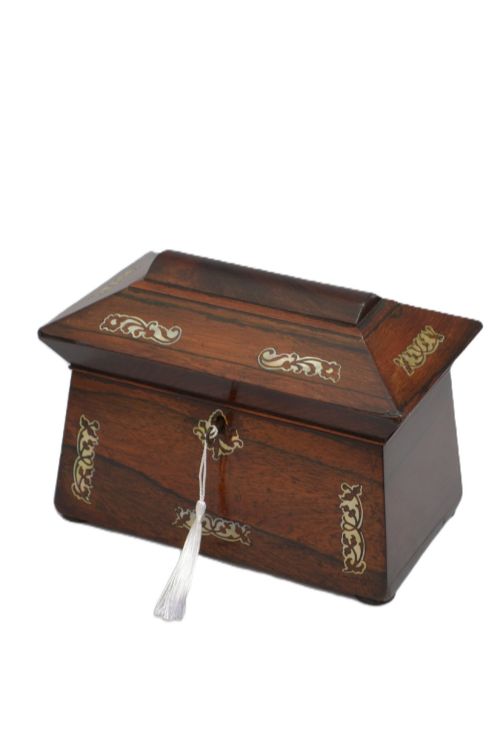
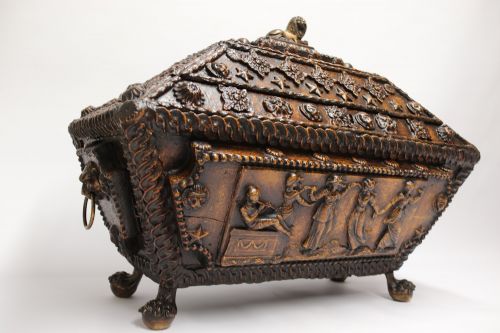
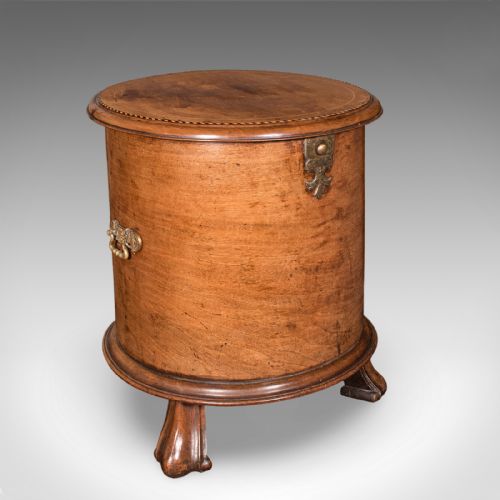
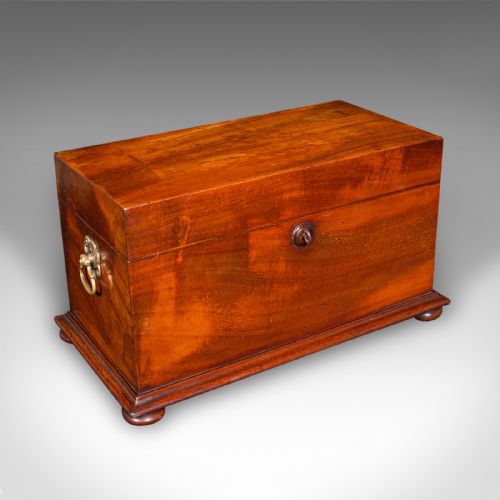
When searching for an English regency caddy, buyers encounter elegant storage vessels designed primarily to hold precious tea leaves during the early nineteenth century. These items include freestanding sarcophagus forms, dual compartment beverage cases, and elaborate table-standing teapoys.
The versions most commonly met on this page date from the regency and georgian periods, typically constructed around eighteen hundred to eighteen thirty-five. They range from simple mahogany desktop containers to heavily ornamented rosewood receptacles featuring brass inlay.
Beyond standard tea caddies, the selection extends to related furnishings and decorative containers such as cellarettes, jewellery boxes, canterburys, and tortoiseshell caddies. Each form reflects the domestic habits of wealthy drawing rooms where hospitality and beverage preparation were matters of social display.
How they were made
Cabinet makers utilised dense hardwoods such as rosewood, mahogany, and walnut as the primary structural foundations for these containers. Many examples incorporate exotic veneers like coromandel, burr maple, and amboyna over secondary woods.
Surface decoration relies heavily on precision craftsmanship, including contrasting stringing in boxwood and fruitwood, delicate penwork, gesso relief, and inlaid brass details. Metal fittings such as lion handles and escutcheons complete the construction.
Some nineteenth century tea containers feature tiny secret drawers requiring a sequence of hidden latches to open.
What varies in quality
The standard of design and execution separates simpler utility boxes from elite salon pieces. Superior examples exhibit intricate brass inlay patterns, tortoiseshell panels, or fine penwork applied with immense precision.
William Rudkins·Joseph Wilmore·Gillows·Thomas of London
The English Regency Caddy Glossary
- Caddy
- A small box or chest once used for storing tea leaves. The word derives from catty, the Chinese weight measurement for tea.
- Teapoy
- A freestanding table designed to support a tea caddy, often featuring a storage compartment or pillar and claw feet.
- Sarcophagus
- A monumental box shape featuring a domed or sloping lid, heavily favored for luxury tea caddies during the regency period.
- Cellarette
- A lockable container used for storing wine and spirits bottles. These often match the timber and decorative style of contemporary tea caddies.
- Penwork
- A surface decoration technique using India ink drawn onto wood to create detailed motifs before varnishing.
- Canterbury
- A low wooden stand with partitions used for holding sheet music, folios, or magazines.
English Regency Caddy: Frequently Asked Questions
What is an English regency caddy used for?
These boxes served to store loose tea leaves securely under lock and key, protecting expensive imported goods from household servants. Tea was a valuable commodity, and the caddy kept the leaves fresh while signaling the host's wealth.
Inside, compartments separated different tea varieties such as green and black leaves, often alongside a glass bowl used for blending. Today, collectors utilise them to store jewellery, keepsakes, or stationery.
How do I tell a regency caddy from a later Victorian one?
Regency pieces dating from roughly eighteen hundred to eighteen thirty typically feature architectural restraint, fine proportions, and classical brass inlay. The timbers selected tend toward rich rosewood and figured mahogany with subtle boxwood stringing.
Victorian boxes often introduce heavier carving, bolder proportions, and mass-produced brass work. Examining the interior linings and construction joints also helps confirm the early nineteenth century timeline.
Why do some tea caddies have glass bowls inside?
The central glass bowl served as a mixing vessel where the host could combine different grades of loose tea leaves before brewing. It could also function as a basin for washing spoons or holding sugar lumps.
Finding a caddy with its original cut glass mixing bowl intact is particularly desirable for collectors. Many surviving examples lost these fragile glass inserts over the decades.
What is a teapoy compared to a standard caddy?
A standard tea caddy is a portable box designed to sit upon a table or sideboard during tea service. A teapoy is an independent piece of furniture featuring a substantial pedestal or legs supporting the storage chest.
Teapoys often incorporate interior compartments for mixing tea and sometimes include a work box or sewing basket beneath the main lid. They functioned as permanent decorative fixtures within the drawing room.