

English Portraiture Art
When you search for english portraiture art, you encounter centuries of faces captured in oil paint, pastel, and watercolour.
English Portraiture Art
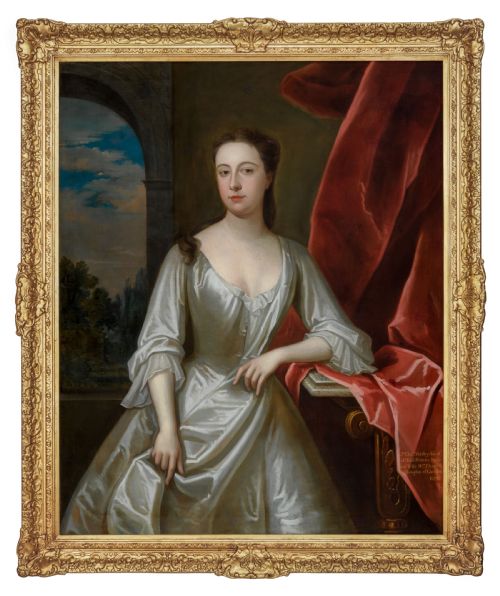
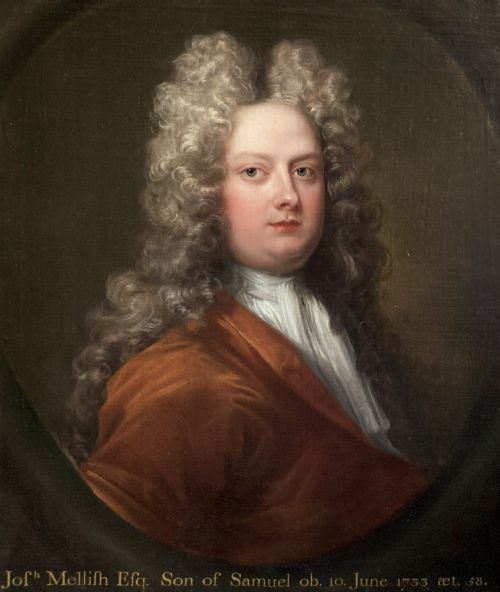
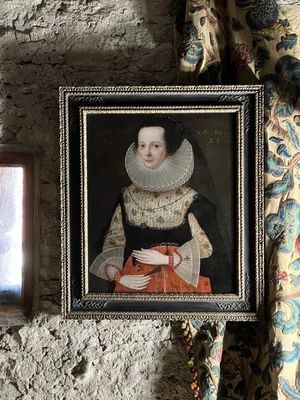
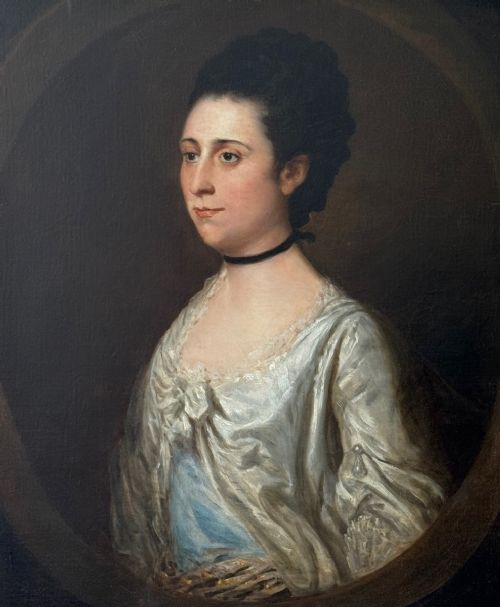
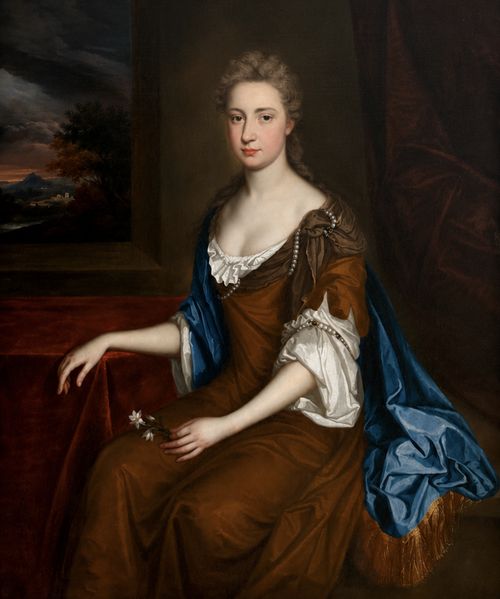
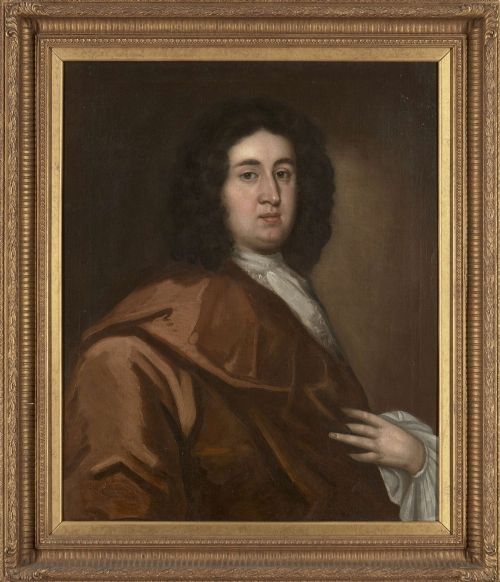
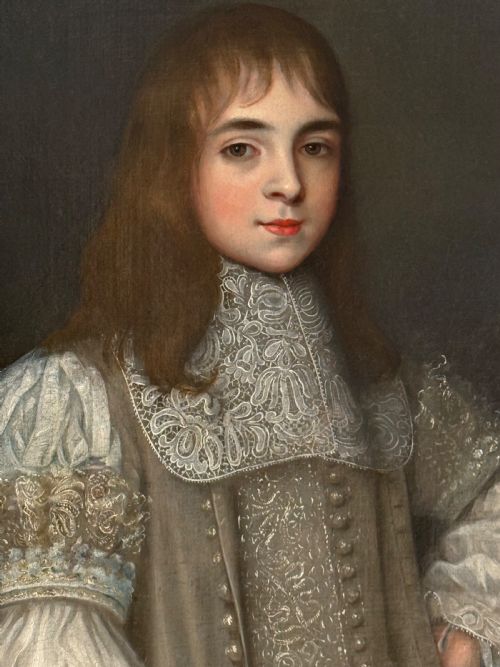
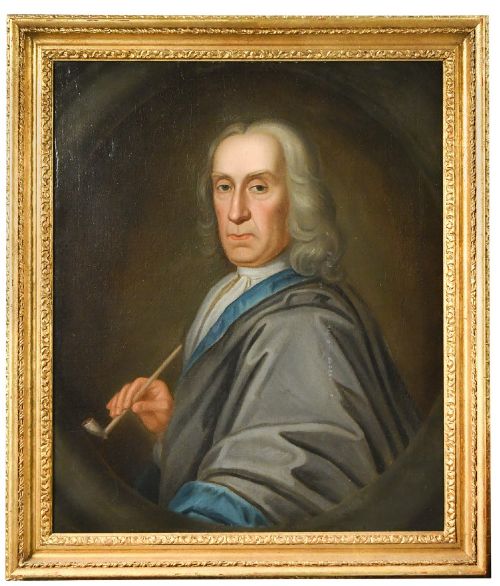
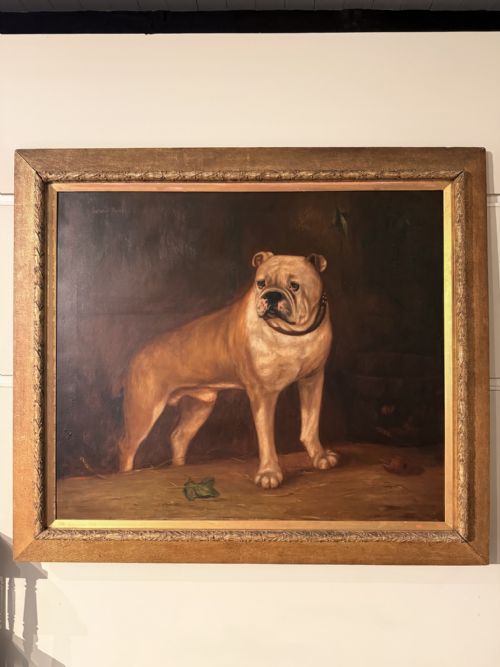
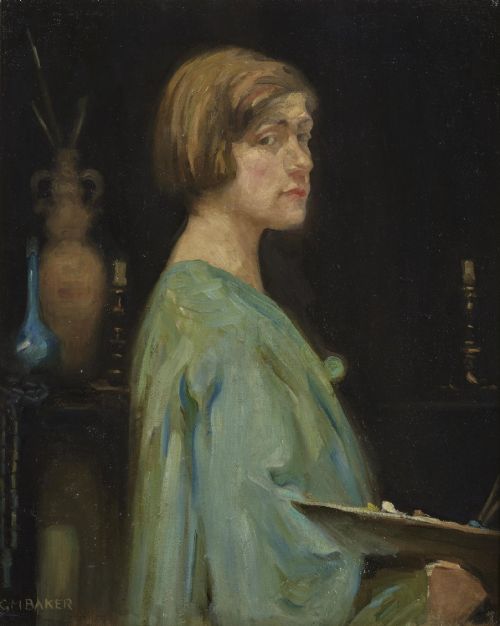
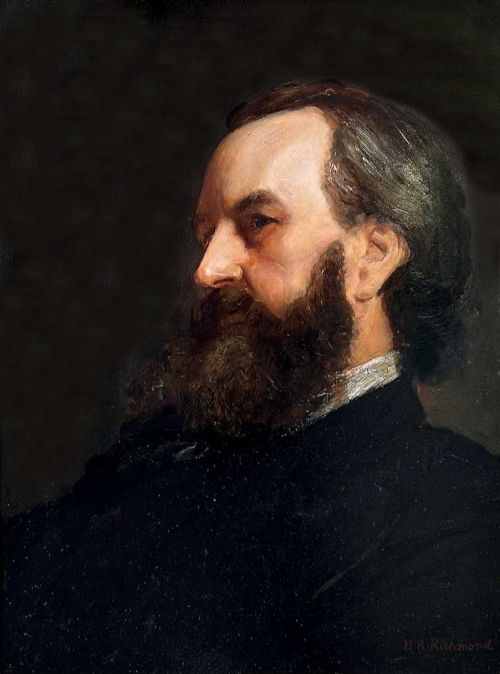
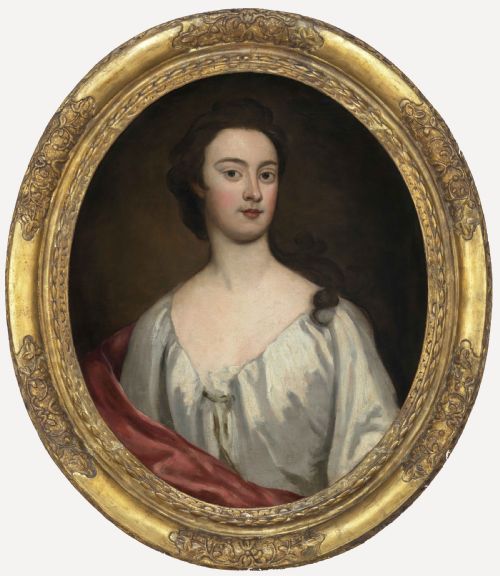
When exploring english portraiture art, you encounter oil paintings, watercolours, pastels, and framed prints depicting nobility, gentlemen, ladies, children, and animals. The selection spans the seventeenth, eighteenth, and nineteenth centuries, alongside pieces from the early twentieth century.
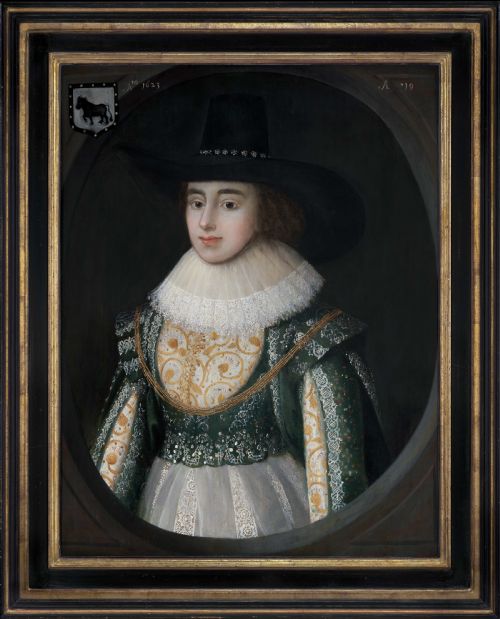
You meet works created during the Stuart, Jacobean, Georgian, Victorian, and Regency periods. Many pieces originate from named artists working within British schools, while others come from anonymous regional hands.
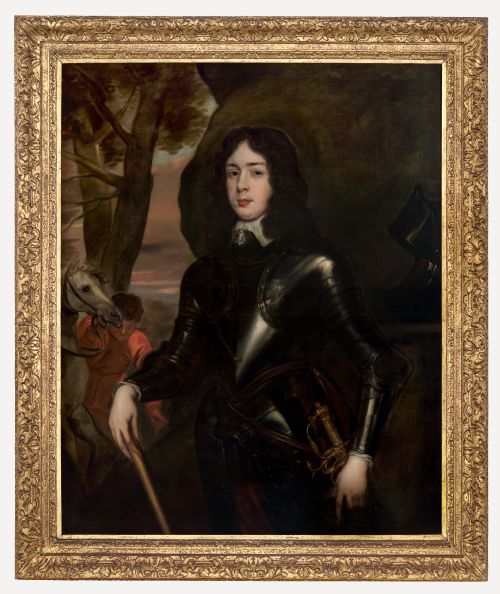
The subjects range from formal depictions in elaborate costume and armour to intimate family groupings and sporting scenes. These canvases and panels capture the likeness and status of historical figures across generations.
Materials and Technique
The works rely heavily on oil paint applied to canvas or wood panels, often set within period giltwood frames. Artists utilised rich pigments to render elaborate fabrics, lace collars, and deep crimson coats with notable texture.
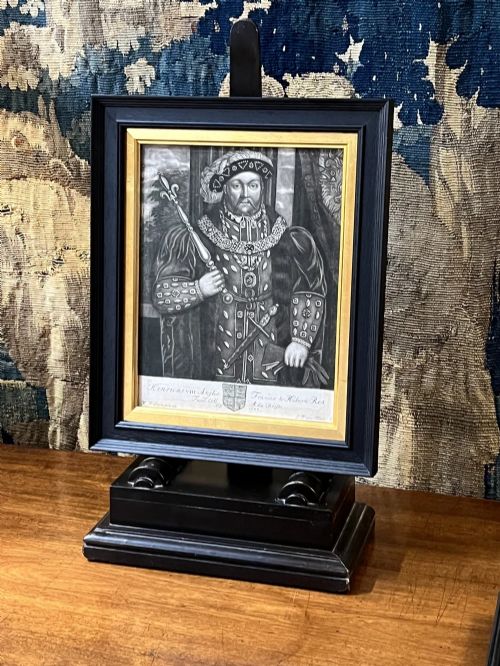
Watercolour and pastel appear on paper for smaller or more intimate studies. Mezzotint printmaking techniques also translate famous painted compositions into printed form.
Substrates vary from woven canvas to wooden panels, reflecting the period and the workshop practices of the artist. Framing often complements the era of the painting, using carved and gilded wood.
Several noble sitters share the frame with their favourite spaniels and sporting horses.
Assessing Quality
Quality rests upon the skill of the brushwork in rendering facial expression, hands, and textiles. Stronger pieces display confident draftsmanship and psychological depth in the sitter.
The distinction between a major studio piece and a provincial copy lies in the handling of light, shadow, and background detail. Surviving frames original to the canvas add to the integrity of the object.
Sir Godfrey Kneller·Charles Jervas·John Hayls·Cornelius Johnson·Sir Anthony van Dyck·Thomas Beach·Joseph Highmore·John Hamilton Mortimer
The English Portraiture Art Glossary
- Mezzotint
- A printmaking process where the copper plate is roughened to achieve tones and rich dark areas. This technique translates painted portraits into monochrome prints.
- Giltwood
- Wood that has been coated with a thin layer of gold leaf. Frames from various periods utilise this finish to showcase oil paintings.
- Oil on canvas
- Pigment suspended in drying oil applied to a stretched fabric support. This combination dominates historical portraiture.
- Pastel
- A dry medium made of powdered pigment and a binder. Artists applied it to paper for soft-toned portraits.
- Jacobean
- The period of the reign of James I, associated with rigid, linear portraiture and elaborate costume. Works from this era show detailed lace and stiff collars.
English Portraiture Art: Frequently Asked Questions
How do I date an old portrait?
Dating relies heavily on the style of clothing, hair, and lace worn by the sitter. Inscriptional evidence on the canvas or stretcher also provides clues.
Comparison with documented works by the same school or artist helps narrow the decade of creation.
What is the difference between oil and pastel portraits?
Oil portraits use pigment mixed with oil on canvas or panel, offering durability and deep, lustrous colours. Pastel portraits use dry pigment sticks on paper.
Pastels require glass protection to prevent the powdery medium from shifting over time.
How should I hang and care for oil portraits?
Keep paintings away from direct sunlight, high humidity, and rapid temperature changes. Stable environments prevent the canvas from slackening and the paint from cracking.
Dust the surface gently with a soft, dry brush and avoid liquid cleaners.
What does circle of an artist mean?
This term indicates the work comes from an unknown hand closely associated with a master's studio. The artist learned or worked near the named master.
Such pieces share technical and stylistic traits with the primary painter.