



English Plant Table
These English plant tables bring greenery and flowers indoors with sturdy timber and iron frames designed to hold pots.
English Plant Table
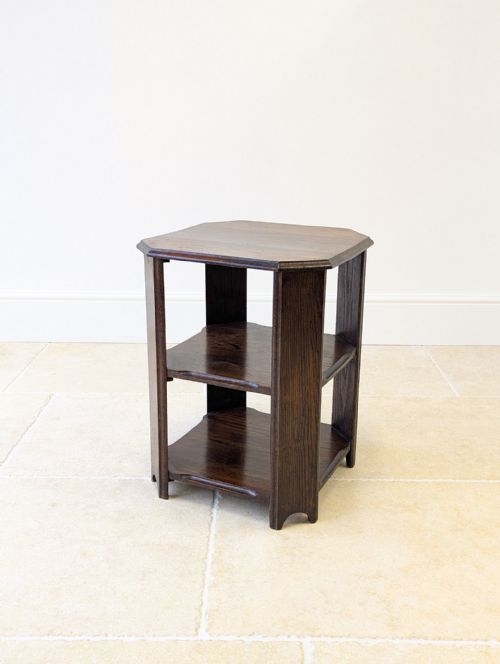
An English plant table serves as a functional display piece for flora, combining the practicality of a garden bench with the refinement of interior furniture. You will encounter forms ranging from low cricket tables and occasional stands to tall pedestals, torchieres, and multi-tiered jardiniere stands.
The materials and styles span centuries of domestic design, featuring oak, mahogany, walnut, bamboo, and cast iron. Pieces stretch from the Georgian period through the Victorian era and into the early twentieth century, incorporating styles such as Chippendale, Arts and Crafts, and rustic country.
Many items double as side tables, lamp tables, or dumb waiters, reflecting how easily domestic furniture adapts to holding plants and flowers. The selection prioritises sturdy surfaces of wood, marble, and lacquer suited to daily botanical use.
Materials and construction methods
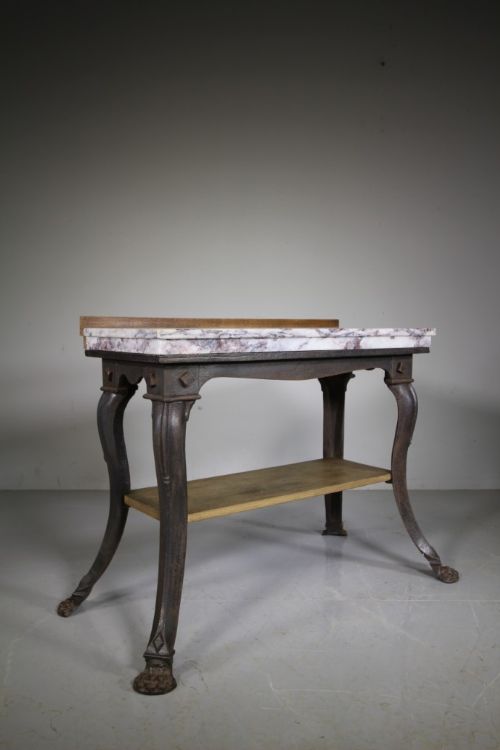
Makers utilised solid hardwoods like oak, mahogany, and walnut alongside pine and bamboo to build these stands, often pairing timber tops with cast iron bases. Surfaces incorporate natural timber, carved details, ebonised finishes, and marble inserts designed to withstand moisture from plant pots.
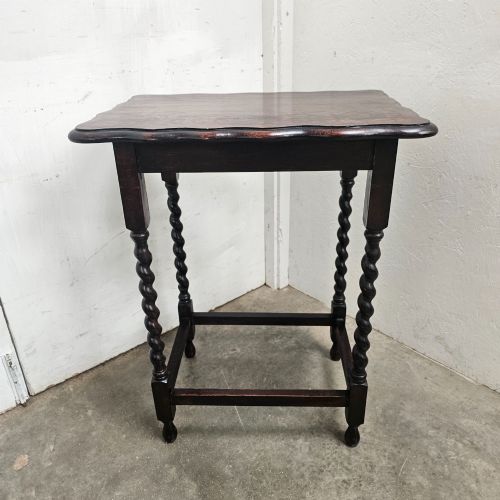
Joinery and turning techniques define the legs and supports, featuring barley twist turnings, tripod bases, and portico frames. Lacquering, painting, and carving add decorative depth to bamboo, oak, and pine structures.
English Plant Table Retail Price Guide 2026
Typical asking prices for english plant table among the pieces listed under this phrase on Sellingantiques today, from the lower quarter to the upper quarter. They describe what is for sale here now, not the wider market.
Listings feature pieces spanning from the eighteenth century through the 1930s, constructed in oak, mahogany, cast iron, marble, bamboo, and lacquer.
Distinctions in craftsmanship
Quality rests in the selection of materials, such as heavy statuary marble paired with iron, or finely carved mahogany and figured oak. The integrity of the structure determines the grade, visible in stable tripod legs, robust two-tier framing, and well-executed barley twists.
Refinement of detail elevates a piece, distinguishing simple utility potting tables from decorative indoor jardiniere stands and torchieres. The harmony between the botanical purpose and the cabinetmaker's decorative choices dictates the overall standard.
The English Plant Table Glossary
- Jardiniere stand
- A tall or low table specifically built to support a decorative plant pot or jardiniere. These pieces often feature water-resistant tops like marble or inset trays.
- Torchere
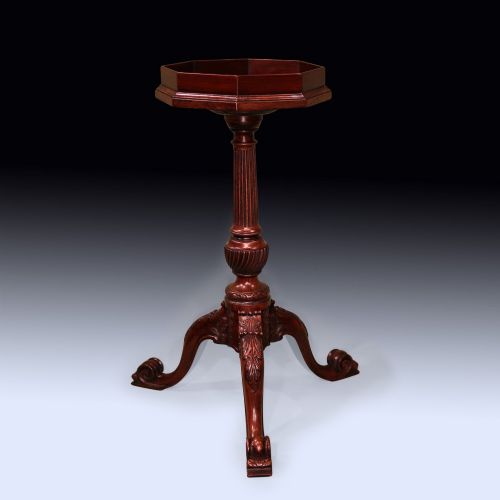
- A tall stand or pedestal originally intended to hold a candle or torch, frequently utilised today to elevate a plant or urn. They often rest on slender columns or tripod bases.
- Cricket table
- A small, three-legged occasional table with a round wooden top, traditionally used near hearths. Their sturdy tripod design prevents wobbling on uneven floors.
- Dumb waiter
- A multi-tiered piece of furniture with stacked circular shelves, serving to hold dishes or, in domestic interiors, multiple potted plants. They save floor space while offering several display levels.
- Barley twist
- A decorative turning technique resembling a twisted rope, carved into the legs of tables and stands. This style appears frequently on oak furniture from the late nineteenth and early twentieth centuries.
English Plant Table: Frequently Asked Questions
What is an English plant table?
An English plant table is a specialised piece of furniture designed to hold potted plants, ferns, or floral arrangements indoors and in orangeries. These tables include forms such as jardiniere stands, torchieres, cricket tables, and multi-tiered plant stands.
They combine decorative styles from the Georgian, Victorian, and Edwardian eras with practical surfaces made of wood, marble, or iron. Their primary purpose is elevating greenery to improve interior lighting and display foliage.
How were plant tables used historically?
Historically, these tables held potted ferns, flowers, and ornamental plants in parlours, drawing rooms, and orangeries. Wealthy households utilised them to bring exterior garden aesthetics inside during colder months.
Some designs also served secondary functions as lamp tables, tea stands, or dumb waiters. The inclusion of marble tops and iron frames helped protect the timber from water damage during watering.
How do I live with a plant table?
Live with a plant table by placing it near natural light sources where your potted plants and flowers can thrive. Ensure you use saucers beneath pots to protect historic wood, marble, or lacquered surfaces from moisture.
These versatile stands fit easily into corners, beside seating, or in hallways as sculptural display pieces. Their compact footprints make them practical additions to modern rooms needing botanical accents.
How do I tell periods apart?
Distingushing periods relies on examining materials, joinery, and stylistic ornamentation. Georgian and William IV pieces often feature refined mahogany or walnut with classical lines, while Victorian examples introduce heavy cast iron, ebonising, and bamboo.
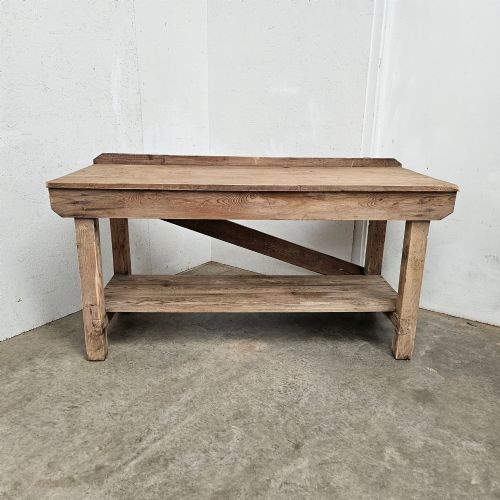
Later pieces from the Edwardian era and the 1920s frequently utilise oak with barley twist legs or simple rustic pine. Comparing the decorative motifs helps anchor each piece to its manufacturing era.