






English Panel Back Chair
An english panel back chair is a sturdy early seat built to withstand the centuries, offering solid timber construction and rich period character.
English Panel Back Chair
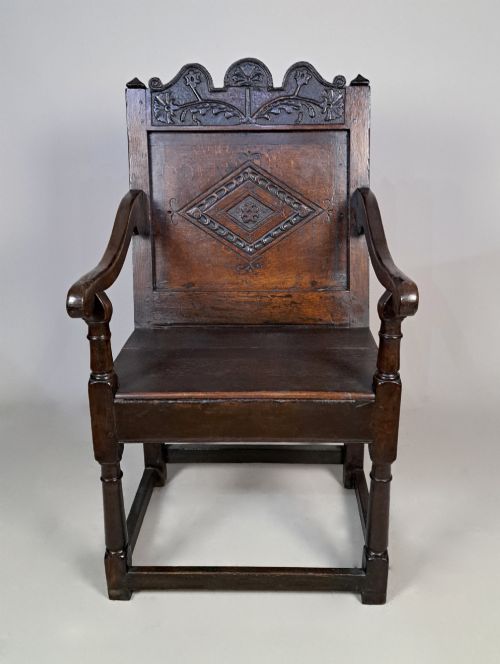
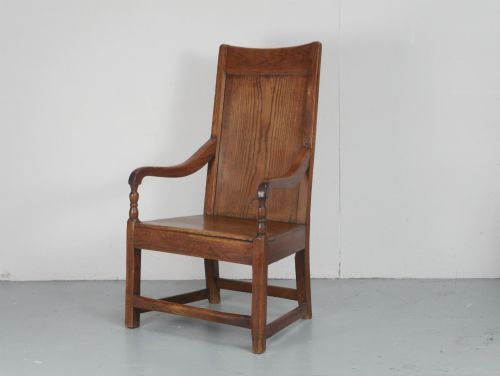
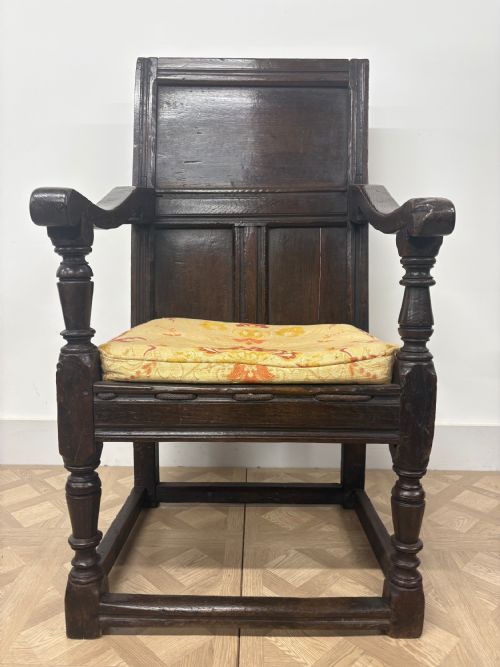
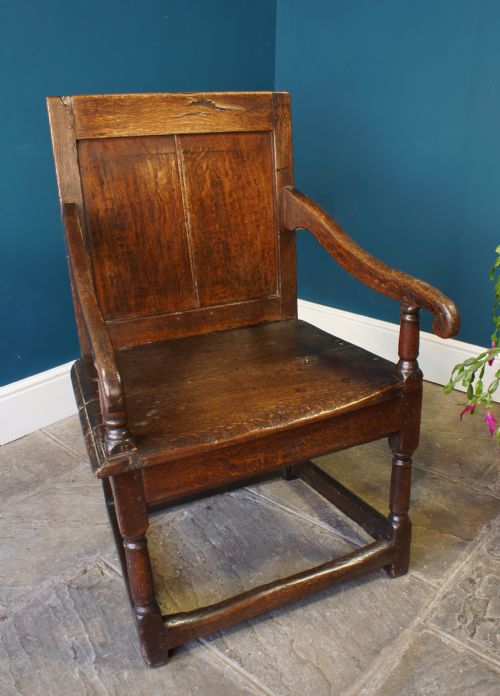
An english panel back chair primarily takes the form of the wainscot armchair, featuring a solid wooden back panel framed by upright stiles and heavy rails. These pieces frequently date to the seventeenth century, spanning reigns such as Charles I and styles including Jacobean and Elizabethan, reflecting robust domestic craftsmanship.
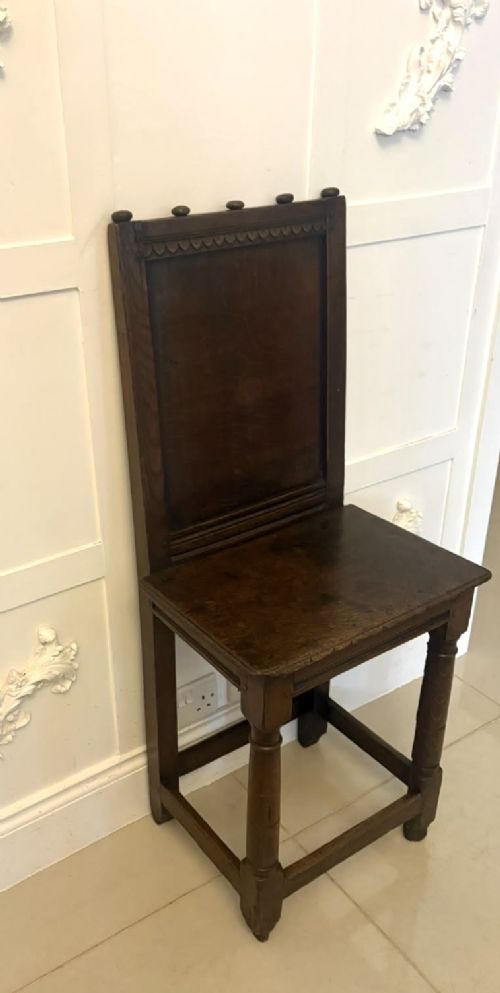
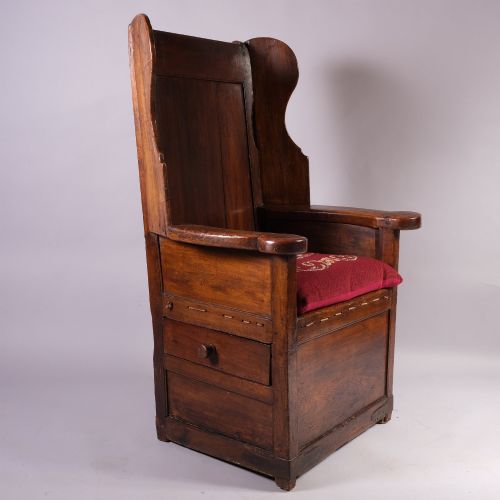
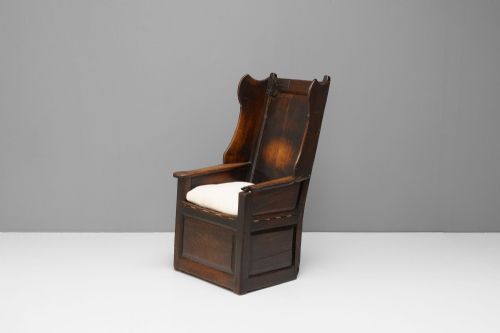
Beyond the classic wainscot design, the selection encompasses alternative forms such as hall chairs, side chairs, desk chairs, and lambing chairs. Regional variations include Yorkshire and Lancashire pieces alongside examples from the West Country and Lakeland.
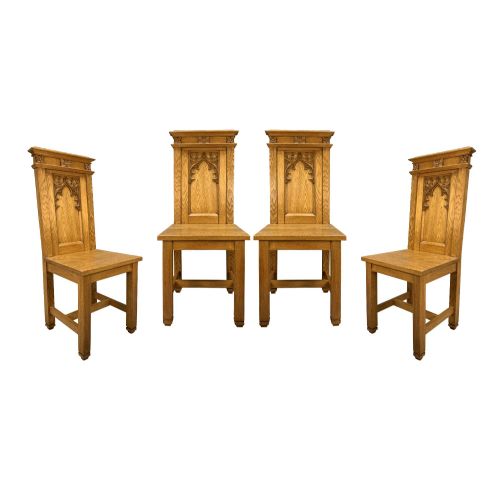
Later reinterpretations appear from periods like the Victorian era, Edwardian period, and the nineteen twenties, often incorporating Gothic revival or ecclesiastical design elements. The core structure remains defined by English oak and solid timber construction.
What varies in quality
Quality in an english panel back chair rests upon the crispness of the joinery, the integrity of the original timber, and the depth of the carved detailing on the back panel. Pieces from the sixteenth and seventeenth centuries demonstrate master carpentry through tight, hand-pegged joints that survive without excessive modern intervention.
Proportion and regional character also dictate distinction, as West Country, Yorkshire, and Lancashire variants display unique local carving motifs and structural heft. The presence of untouched surface patination on the solid oak elevates the visual weight of the piece.
English Panel Back Chair Retail Price Guide 2026
Typical asking prices for english panel back chair among the pieces listed under this phrase on Sellingantiques today, from the lower quarter to the upper quarter. They describe what is for sale here now, not the wider market.
Materials across the selection focus heavily on solid English oak, supplemented by occasional fabric seats and brass fittings.
The English Panel Back Chair Glossary
- Wainscot
- A wooden panelled armchair featuring a solid back and carved details, typical of early domestic seating. This form represents the primary archetype for the search phrase.
- Stile
- A vertical framing member of a panelled back or door, providing structural support to the chair. These upright timbers bear the weight of the crest rail.
- Lambing chair
- A high-backed vernacular chair, often featuring wings or a hooded top to block drafts in domestic settings. These items are found in eighteenth-century vernacular styles.
- Mortise and tenon
- A traditional joint where a projecting tongue fits snugly into a corresponding hole, secured by wooden pegs. This method holds the oak framework together.
- Patina
- The surface sheen and colour developed by aged wood through decades of handling, exposure, and wax polishing. This characteristic signals genuine period age.
English Panel Back Chair: Frequently Asked Questions
What is an english panel back chair?
An english panel back chair is a heavy wooden seat, typically made of solid oak, featuring a rigid flat or carved back panel framed by sturdy posts.
These chairs date back as far as the sixteenth and seventeenth centuries, serving as primary seating in early households before upholstered furniture became common.
How do I identify a seventeenth century wainscot chair?
Seventeenth century wainscot chairs are distinguished by their heavy solid oak construction, pegged joints, and carved wooden back panels reflecting Jacobean or Elizabethan styles.
They often include armrests supported by turned or shaped spindles above a planked wooden seat.
Where were lambing chairs used?
Lambing chairs originated as vernacular seating designed for rural domestic use, particularly in regions like the Lake District during the eighteenth century.
Their high panelled or winged backs helped protect occupants from cold draughts in unheated farmhouses.
How should I care for antique oak furniture?
Antique oak benefits from stable indoor humidity and occasional applications of traditional beeswax to nourish the timber and preserve its natural surface.
Avoiding direct sunlight and heat sources prevents the old wood from drying out and cracking over time.