





English Oak Small Table
An english oak small table brings centuries of sturdy utility and rich grain into a room, offering compact surface space rooted in traditional craftsmanship.
English Oak Small Table
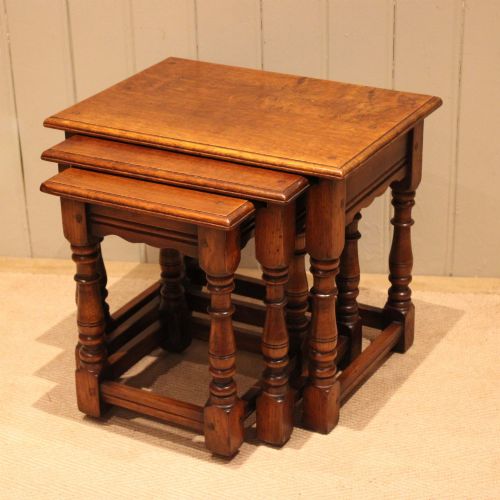
An english oak small table encompasses a diverse array of compact antique forms designed for practical everyday use. You encounter pieces spanning from the seventeenth century through to early twentieth-century revivals, reflecting generations of domestic life.
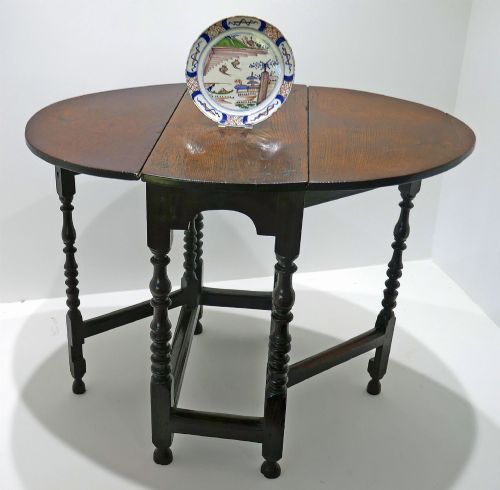
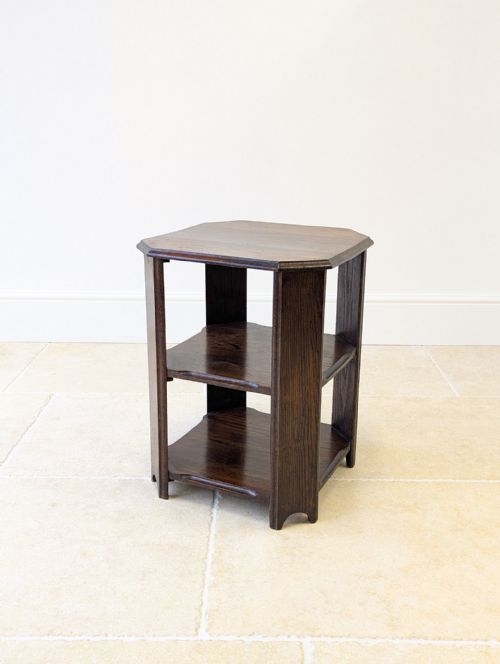
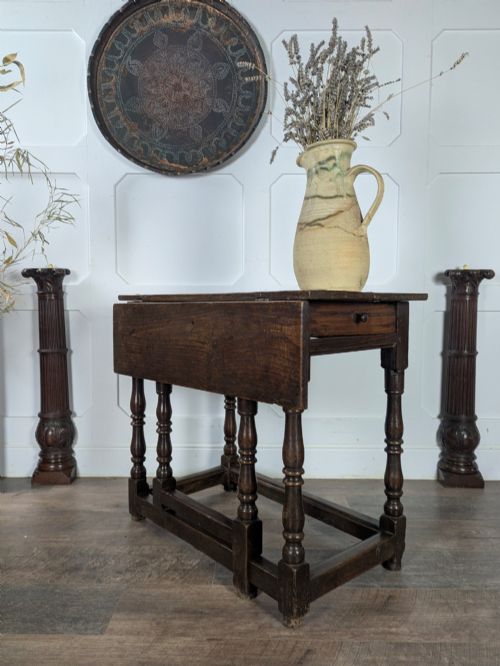
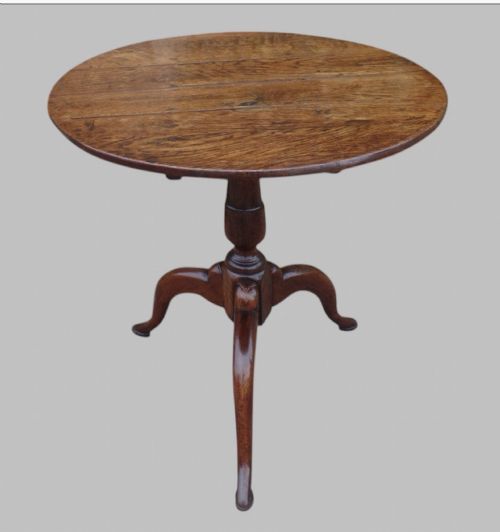
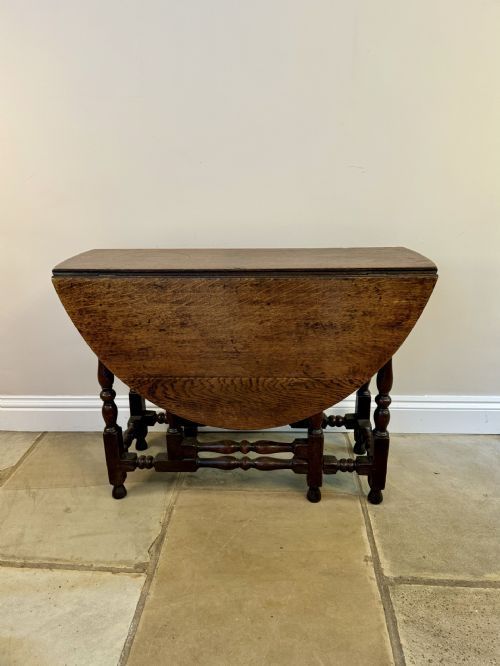
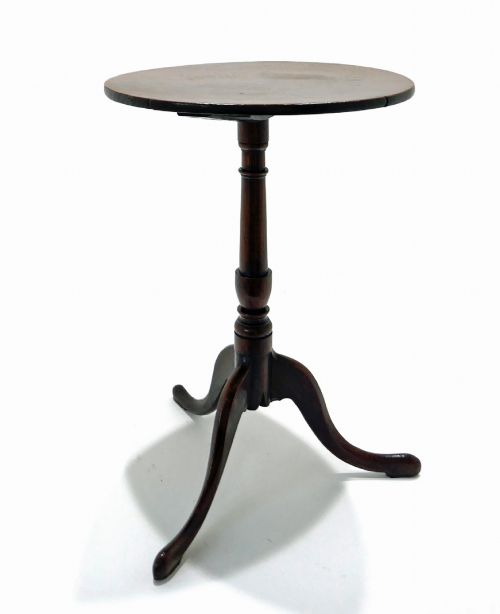
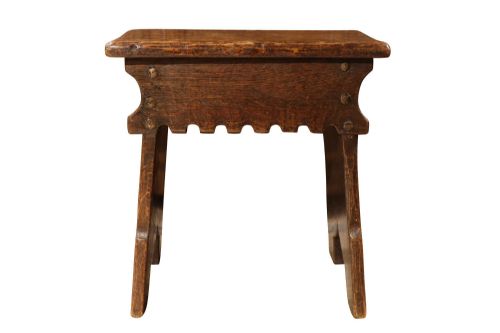
The most common variants on this page include gateleg drop-leaf tables, tripod cricket tables, and side tables. These forms served various roles in historic interiors, from dining and writing to holding lamps or small objects.
Origins range widely across periods such as the Georgian, Regency, and Victorian eras, alongside robust seventeenth-century examples and later revivals. Each era imparts distinct proportions and decorative vocabulary to the timber.
How they were made
Construction relies heavily on solid English oak, frequently augmented by secondary timbers such as pollard oak, satinwood, and yew wood in decorative accents. Joinery methods prioritise pegged construction and robust framing to ensure longevity.
Turnery techniques define much of the character, featuring prominent bobbin turned legs, barley twist supports, and slender columns on tripod bases. Surfaces often display hand-carved detailing or simple planked construction suited to country workshops.
English Oak Small Table Retail Price Guide 2026
Typical asking prices for english oak small table among the pieces listed under this phrase on Sellingantiques today, from the lower quarter to the upper quarter. They describe what is for sale here now, not the wider market.
Listings feature solid oak, pollard oak, and satinwood across periods spanning from the seventeenth century to the twentieth century.
What varies in quality
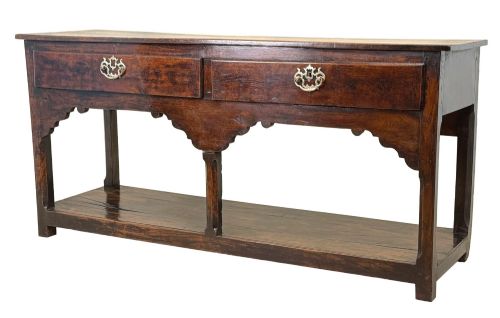
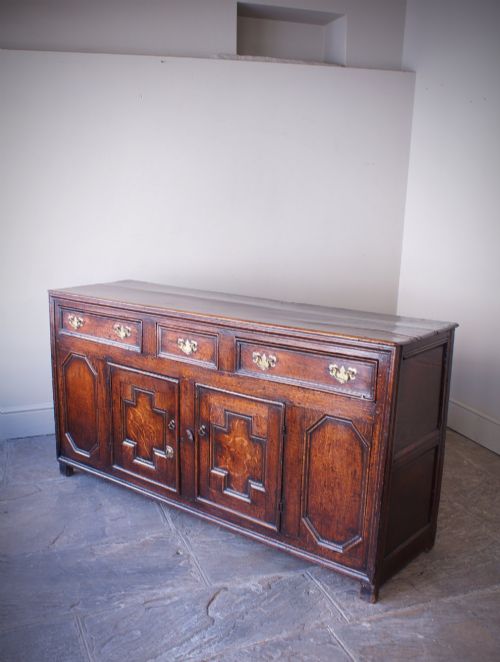
Quality rests primarily in the integrity of the timber and the crispness of the original joinery. Tables possessing well-figured solid oak planks and harmonious proportions command greater appreciation than later, heavier revivals.
The refinement of the turnery and the survival of an honest, untouched surface finish separate standard utility pieces from finer examples. Subtle details in leg profiles and joint construction reveal the hand of a more accomplished maker.
Roberson and Co
The English Oak Small Table Glossary
- Gateleg table
- A drop-leaf table featuring hinged flaps supported by swing-out legs that pivot from the frame to hold the leaves upright. This versatile design allowed tables to fold flat against walls when not in use.
- Cricket table
- A small, lightweight circular table traditionally supported by three splayed legs. The three-legged design provided stable footing on uneven flagstone floors in historic cottages.
- Bobbin turned
- A form of woodturning characterised by a series of rounded, bead-like swellings resembling spools of thread. This decorative style appears frequently on seventeenth-century and revival legs and stretchers.
- Pollard oak
- Timber harvested from trees that have been pollarded, resulting in dense, highly figured grain patterns with distinctive clusters of knots. Cabinet makers utilised this decorative wood for tabletops and drawer fronts.
- Pegged construction
- A traditional method of securing timber joints using wooden dowels rather than metal fasteners. This allows the wood to expand and contract naturally with seasonal humidity changes.
English Oak Small Table: Frequently Asked Questions
How do I date an old oak table?
Dating relies on examining the construction methods, tool marks, and hardware integrated into the piece. Hand-cut joints, pegged construction, and the specific style of turnery provide reliable clues to the period of origin.
Secondary woods and timber shrinkage patterns further assist in confirming age. Comparing the leg profiles and edge mouldings to known historical examples narrows down the decade of manufacture.
Were these small tables used for dining?
Many compact gateleg and drop-leaf designs served dual purposes as space-saving dining furniture in smaller historic homes. Owners could raise one or both leaves at meal times and fold them down afterward.
Tripod and side tables fulfilled different domestic tasks, such as holding lanterns, writing letters, or serving tea. Their portability meant they moved easily around the room as daily needs shifted.
How should I care for antique oak?
Maintain antique oak by keeping it away from direct heat sources and strong sunlight, which dry out and split the historic timber. Dust regularly with a dry, soft cloth to prevent particulate buildup on the finish.
Applying a traditional beeswax polish occasionally nourishes the wood and preserves its natural sheen without creating a heavy buildup. Avoid modern silicone-based sprays that penetrate and soften historic finishes.
What is the difference between solid oak and veneer?
Solid oak furniture uses thick planks of true oak throughout the structural components and surfaces. This construction allows for deep patination and permits centuries of wear and minor restoration.
Veneered pieces feature a thin layer of decorative wood applied over a secondary timber base. While common in later cabinet making, seventeenth and eighteenth-century country pieces more frequently employ solid construction.