







English Oak Lamp Table
An English oak lamp table brings solid timber grain and centuries of utility straight to the fireside.
English Oak Lamp Table
An English oak lamp table is a sturdy occasional surface designed for illumination and daily use in sitting rooms, most commonly found here originating from the eighteenth and nineteenth centuries.
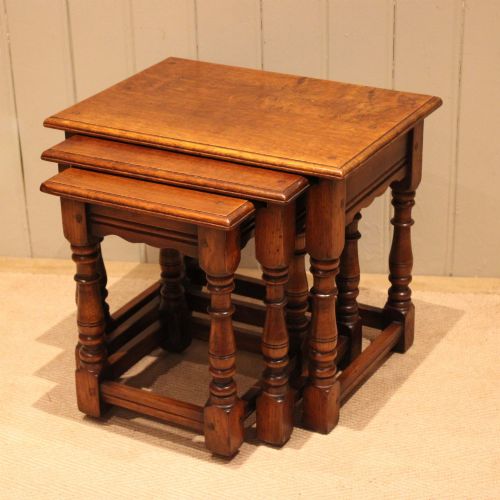
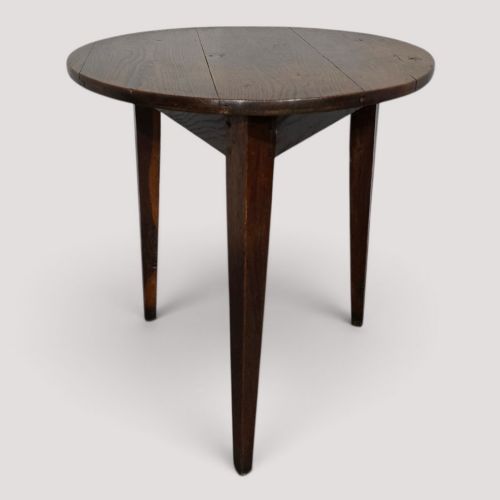
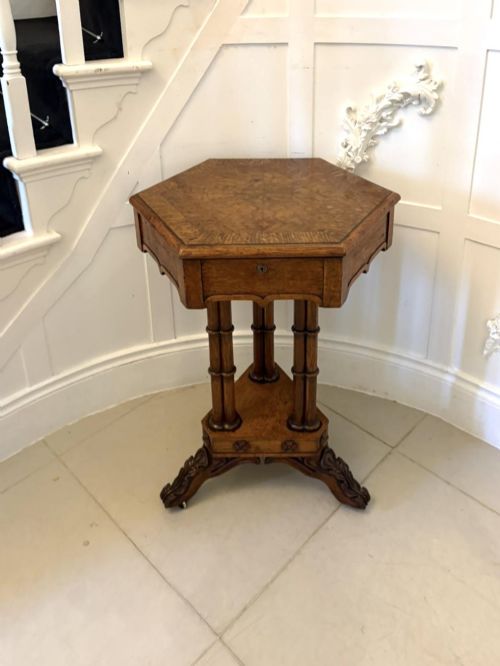
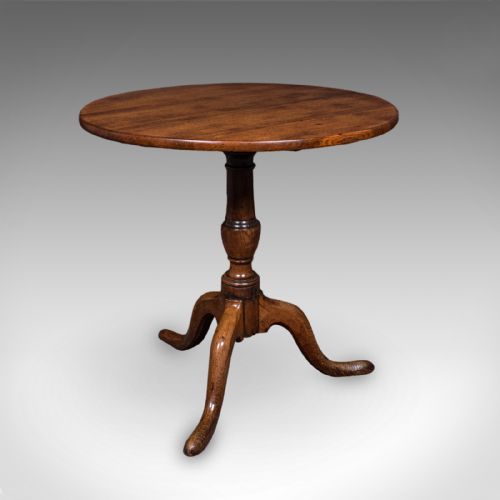
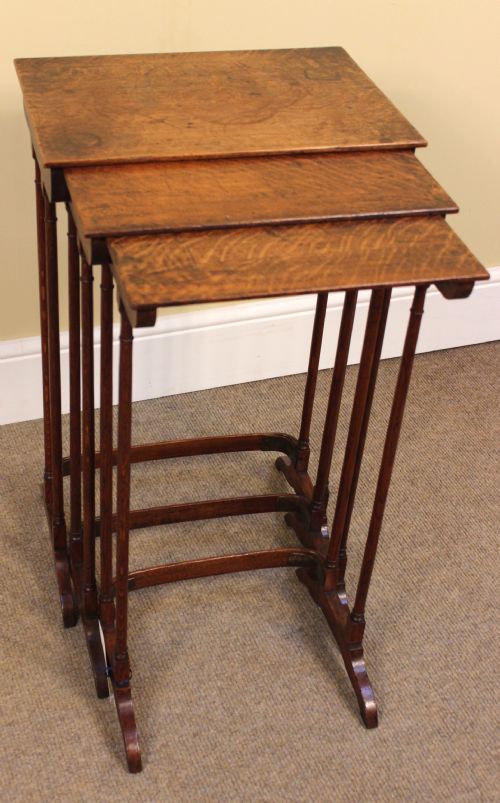
Buyers searching for this phrase encounter various functional forms including tripod cricket tables, side tables, tilt-top wine tables, and nests of tables.
The material vocabulary spans solid oak supplemented occasionally by pollard oak, beech, pine, and brass fittings, reflecting centuries of domestic joinery.
Materials and Construction
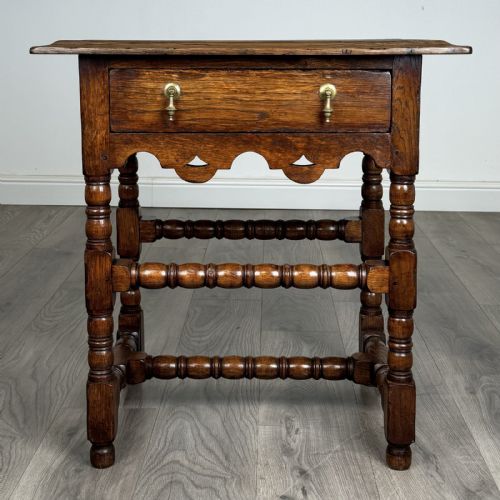
Joiners relied on domestic timber like oak, often paired with beech for structural legs or pine for secondary framing, utilising traditional pegged joints and turned components.
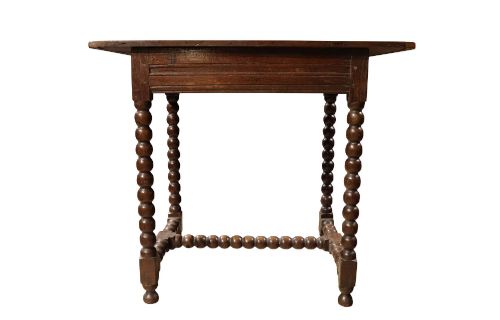
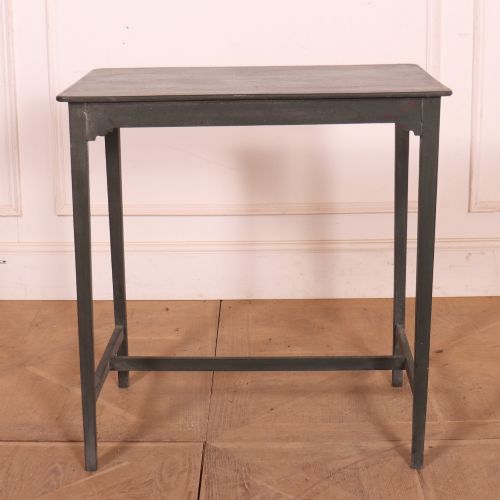
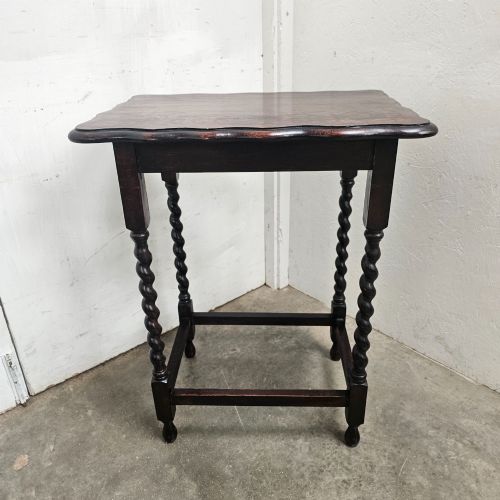
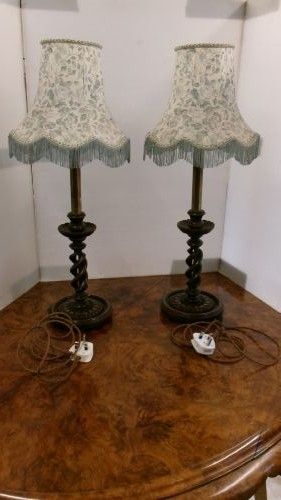
Decorative detailing on these pieces involves bobbin turning, barley twist legs, carved bases, and painted finishes applied directly to the timber surface.
English Oak Lamp Table Retail Price Guide 2026
Typical asking prices for english oak lamp table among the pieces listed under this phrase on Sellingantiques today, from the lower quarter to the upper quarter. They describe what is for sale here now, not the wider market.
Listings span periods from the seventeenth century through the Edwardian era, featuring oak alongside brass, beech, and painted finishes.
Assessing Quality
Quality rests upon the integrity of the timber selection, such as figured pollard oak or rich golden oak, and the crispness of hand-carved or turned elements.
Construction fidelity dictates longevity, separating straightforward vernacular carpentry from more refined cabinetmaking seen in Georgian and Regency examples.
Holland & Sons
The English Oak Lamp Table Glossary
- Cricket table
- A small three-legged round table typically constructed from oak with pegged joints, originally designed for uneven cottage floors.
- Tilt-top table
- An occasional table featuring a mechanism that allows the circular wooden top to pivot vertically when not in use.
- Bobbin turned
- A style of leg or stretcher shaped on a lathe to resemble a series of wooden spools or bobbins joined end to end.
- Pollard oak
- Timber taken from a tree that has been pruned close to the trunk, producing a dense, highly figured grain pattern.
- Barley twist
- A spiral turning technique cut into furniture legs and pillars, popular during the seventeenth and early twentieth centuries.
English Oak Lamp Table: Frequently Asked Questions
What is an english oak lamp table?
An English oak lamp table is a compact wooden occasional table used traditionally to hold lighting, drinks, or books beside seating. These versatile surfaces range from simple seventeenth-century side tables to decorative nineteenth-century tripod designs.
The selection includes diverse formats such as tilt-top wine tables, nests, and cricket tables, all unified by their sturdy oak construction and domestic utility.
How do I date an antique oak table?
Dating relies on examining construction methods, tool marks, timber characteristics, and stylistic details like turning or carving. Seventeenth and eighteenth-century examples often display pegged mortise and tenon joints and hand- sawn boards.
Later Victorian and Edwardian pieces frequently incorporate revival styles, such as Jacobean twist legs or Arts and Crafts simplicity, alongside machine-processed timber.
Where should I place a lamp table?
These compact tables fit naturally beside armchairs, sofas, or in corners where surface space is needed without dominating the room. Their modest footprints suit bedside use or narrow hallways just as well.
Pairing a sturdy tripod or side table with appropriate lighting creates a practical focal point that anchors the surrounding seating arrangement.
How do I care for antique oak furniture?
Maintain antique oak by keeping it away from direct heat sources and strong sunlight, which can dry out and split the timber over time. Regular dusting with a dry lint-free cloth preserves the finish.
Applying a traditional beeswax polish occasionally helps nourish the wood and maintain its natural lustre without building up heavy chemical residues.