




English Oak Bench Seat
When searching for an english oak bench seat, buyers encounter robust joinery and practical hall furniture shaped across several centuries.
English Oak Bench Seat
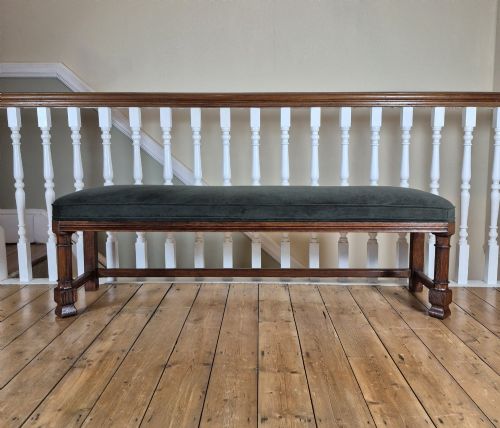
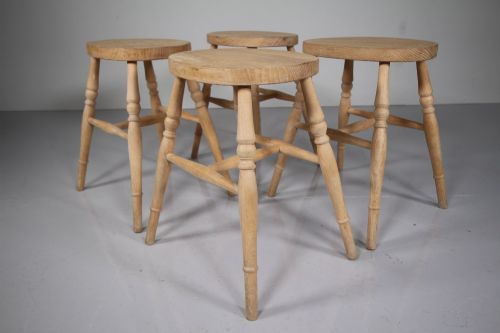
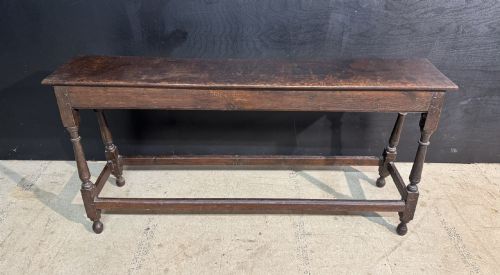
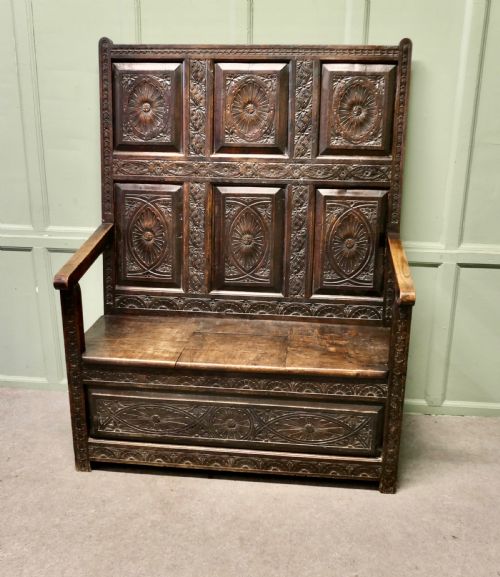
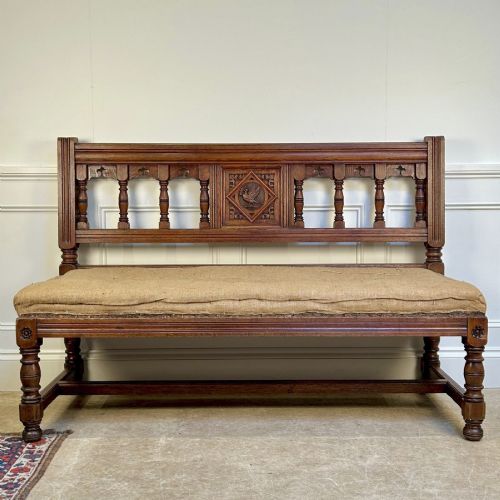
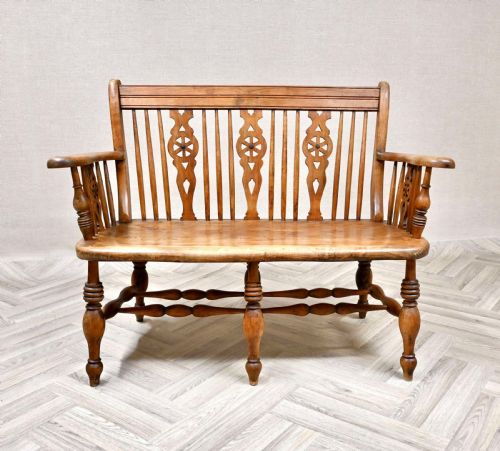
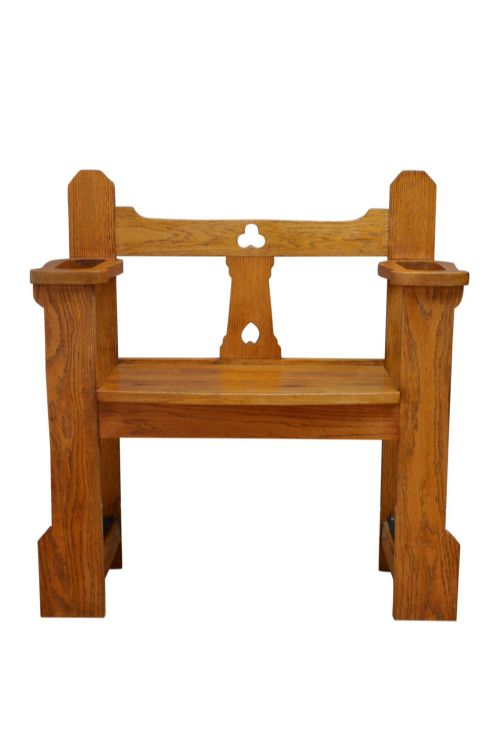
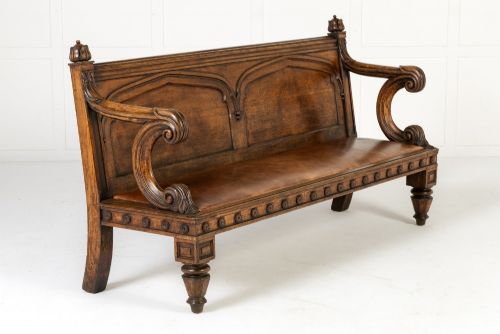
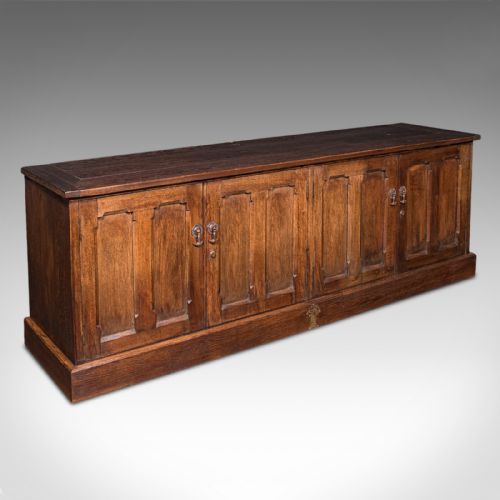
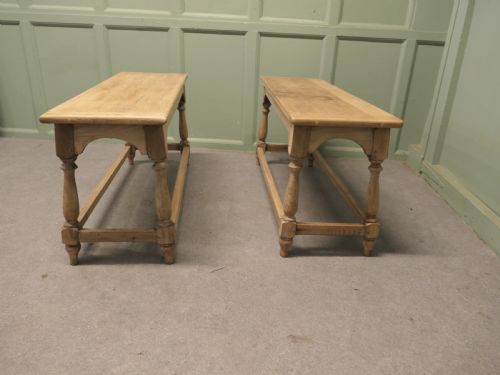
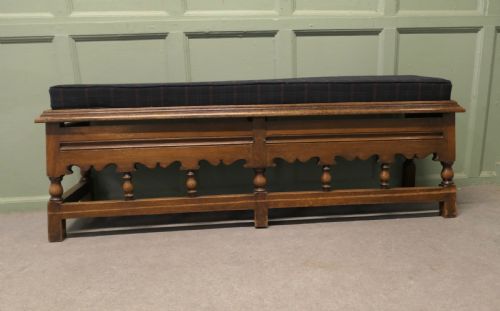
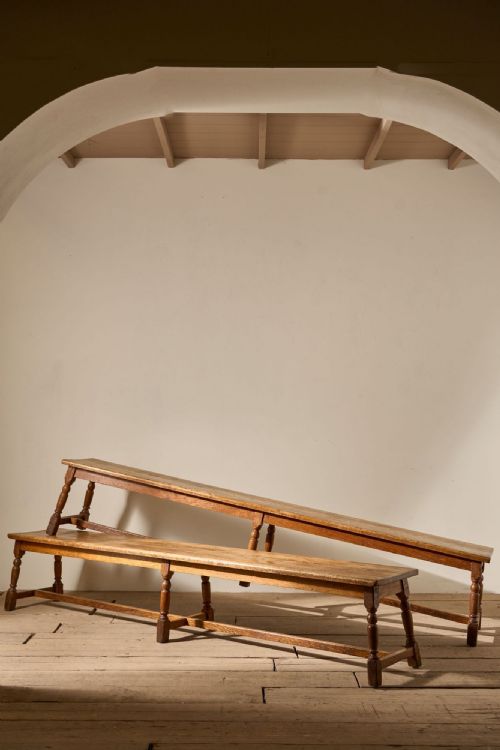
An english oak bench seat covers a variety of forms including long settles, hall benches, window seats, and joint stools. Examples range from 17th-century high-back box settles to 19th-century Gothic Revival benches and Edwardian country seating.
The most common versions met on this page are 19th-century hall benches and Victorian or Edwardian settles, alongside earlier 18th-century forms constructed for domestic utility and hallway use.
Makers and workshops utilised sturdy timbers to build seating intended for heavy traffic areas, resulting in surviving pieces that demonstrate enduring structural integrity.
How they were made
Carpenters relied primarily on solid oak, frequently augmented with secondary timbers such as elm, ash, and pine for internal panels or structural framing. Traditional joinery techniques, including mortise and tenon joints secured with wooden pegs, defined the construction of early pieces.
Surface detailing often involved hand carving, panel moulding, and turned elements like barley twist legs, while later Victorian and Edwardian examples occasionally incorporated applied upholstery using leather, velvet, or hessian.
Listings span from the 17th century through the Edwardian period, utilising oak, elm, ash, and iron in forms from joint stools to box settles.
What varies in quality
Quality in an english oak bench seat depends on the integrity of the original timber and the retention of period joinery without excessive modern intervention. Pieces displaying deep patination, untouched surface texture, and robust structural framing stand apart from heavily restored or alterated examples.
Proportion and execution of carved details also distinguish finer workshops, where balanced proportions in high-back settles or joint stools reflect thoughtful design rather than utilitarian mass production.
GIllows·Harry & Lou Epstein·William Birch·James Shoolbred·Goodyer
The English Oak Bench Seat Glossary
- Settle
- A wooden bench with a high back, solid arms, and often a box base for storage. It was designed to keep draughts away from people seated near open fires.
- Joint stool
- A sturdy wooden stool constructed with mortise and tenon joinery rather than turned legs driven into a seat. They often served multi-purpose roles in early households.
- Box settle
- A variation of the settle featuring a hinged seat opening to a storage compartment beneath. This form doubled as seating and a chest for household goods.
- Barley twist
- A decorative turning technique resembling a twisted rope, commonly found on the legs and stretchers of 17th-century and later revival furniture.
- Ecclesiastic
- A style or origin relating to the church, often describing benches, pews, or settles salvaged from chapels and monastic buildings.
English Oak Bench Seat: Frequently Asked Questions
Where were settles used?
Settles were traditionally placed in the halls and kitchens of large houses and farmhouses to provide communal seating close to the hearth. Their high backs helped block cold draughts in large, open rooms.
Over time, they found places in hallways and reception rooms as practical seating that doubled as storage chests for boots and textiles.
How do I spot a joint stool?
A joint stool is identified by its pegged mortise and tenon construction, where the vertical legs are joined to the rails with tight wooden joints rather than glue or simple dowels. They were built to bear substantial weight and served as portable seating or small tables.
Most examples feature thick rectangular tops above straight or splayed legs connected by low stretchers.
What is a box settle?
A box settle incorporates a compartment beneath the hinged seat, offering hidden storage for blankets, cushions, or daily items. The solid wooden base keeps drafts off the floor while providing rigid support for the heavy seat.
These pieces combine the utility of a chest with the comfort of a high-backed bench.
How do I care for antique oak?
Antique oak benefits from stable indoor humidity and protection from direct sunlight, which can dry out the timber and fade the surface patina. Regular dusting with a dry cloth keeps the grain clear without building up excess residue.
Applying a traditional beeswax polish occasionally helps nourish the wood and maintain its natural lustre.