

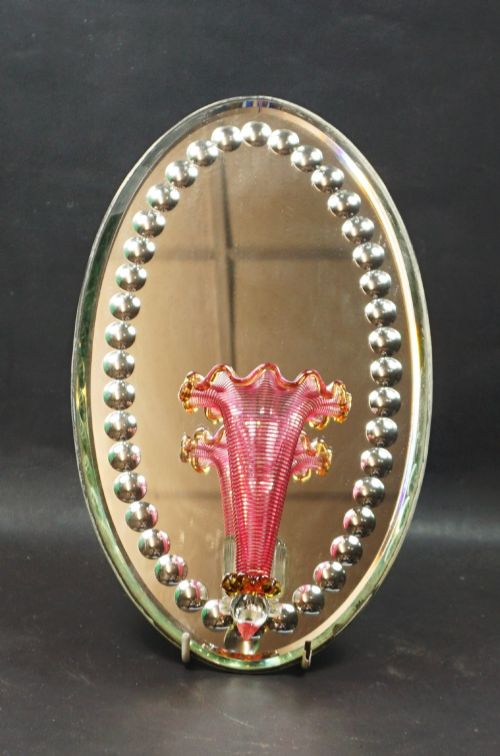
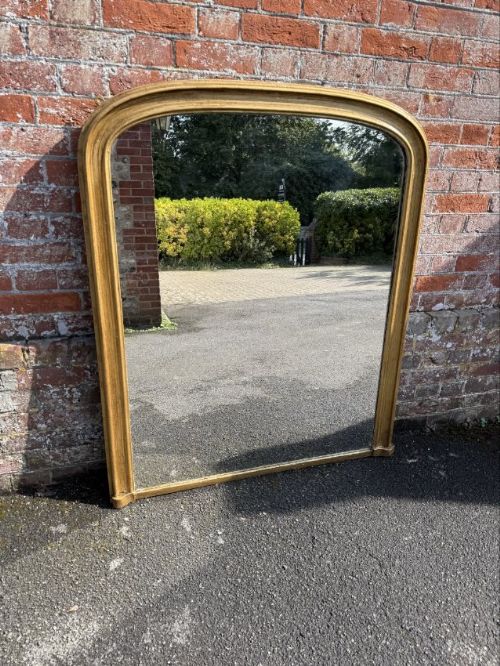
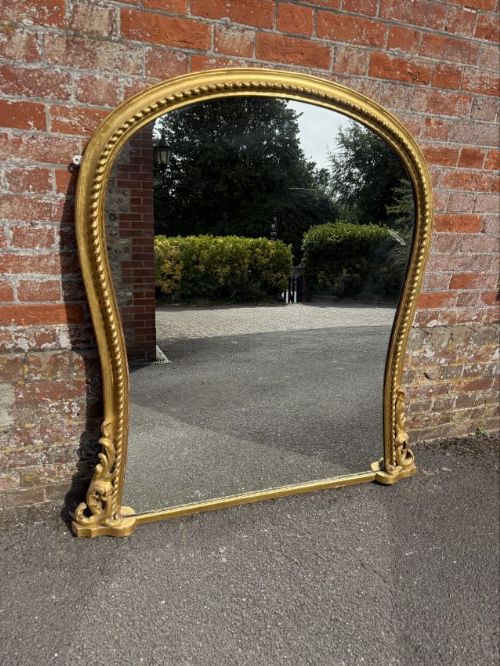


English Nineteenth Century Mirror
An English nineteenth century mirror brings weight and presence to a room, functioning primarily as a grand overmantel or wall hanging.
English Nineteenth Century Mirror
When searching for an english nineteenth century mirror, buyers encounter substantial overmantel mirrors designed to sit above fireplace surrounds. These pieces originate from the Victorian and Regency eras, with many examples dating from the decades spanning eighteen sixty to eighteen eighty.
Beyond grand overmantels, the selection encompasses country house wall mirrors, dressing mirrors, and pier mirrors. Cabinetry pieces incorporating mirrored elements also appear within these periods.
Stylistic variations range from elaborate neoclassical and rococo revival interpretations to clean ebonised and parcel gilt framing. Mahogany and rosewood serve as common timber foundations for the wooden frames.
Materials and construction methods
Frames rely heavily on carved wood and gesso foundations, frequently finished with gold leaf or gilding. Timber varieties such as mahogany, walnut, and rosewood provide sturdy structural support for the reflective glass.
Surface decoration involves detailed moulding, ribbed hourglass framing, and parcel gilt highlights. Etched details appear on specific glass panels alongside standard mirror glass.
English Nineteenth Century Mirror Retail Price Guide 2026
Typical asking prices for english nineteenth century mirror among the pieces listed under this phrase on Sellingantiques today, from the lower quarter to the upper quarter. They describe what is for sale here now, not the wider market.
Listings feature Victorian and Regency periods, utilising materials such as gesso, gold leaf, mahogany, and brass.
Distinctions in craftsmanship
The depth and intricacy of the carved wood and gesso ornamentation separate standard framing from exceptional work. Crisp moulding and well-applied gilding indicate superior workshop execution.
The integration of the mirror glass within the frame and the retention of original surface treatments dictate the overall integrity of the piece. Substantial proportions combined with balanced proportions distinguish the finer examples.
The English Nineteenth Century Mirror Glossary
- Overmantle mirror
- A large horizontal mirror specifically scaled to hang above a fireplace mantelpiece. These pieces often feature arched or shaped tops designed to mirror architectural lines.
- Gesso
- A plaster-like mixture applied to wood frames to create a smooth surface for gilding and carving. Detailed relief ornament is typically moulded directly into this layer.
- Parcel gilt
- A decorative technique where specific portions of an object are highlighted with gold leaf while the remaining surface displays painted wood or exposed timber. This creates contrast across the frame.
- Pier mirror
- A tall mirror designed to hang on the narrow wall space between windows. They frequently coordinate with console tables placed directly beneath them.
English Nineteenth Century Mirror: Frequently Asked Questions
Where should I hang an overmantel mirror?
These large mirrors traditionally occupy the wall space directly above a fireplace mantelpiece, where their generous proportions reflect light across the room.
They also function effectively on principal living room walls when hung securely to support their substantial weight.
How do I identify a gesso frame?
Gesso forms a thick, smooth coating over the underlying wooden structure, allowing craftsmen to apply crisp relief decoration before gilding.
This material accepts gold leaf effectively and creates the ornate raised patterns seen on Victorian frames.
What is parcel gilt decoration?
Parcel gilt involves selectively applying gold leaf to highlighted areas of a frame while leaving the rest of the wood exposed or painted.
This method contrasts the metallic sheen against ebonised or natural timber surfaces.