



English Marquetry Table
An English marquetry table brings together centuries of timber work and detailed inlay to anchor a room.
English Marquetry Table
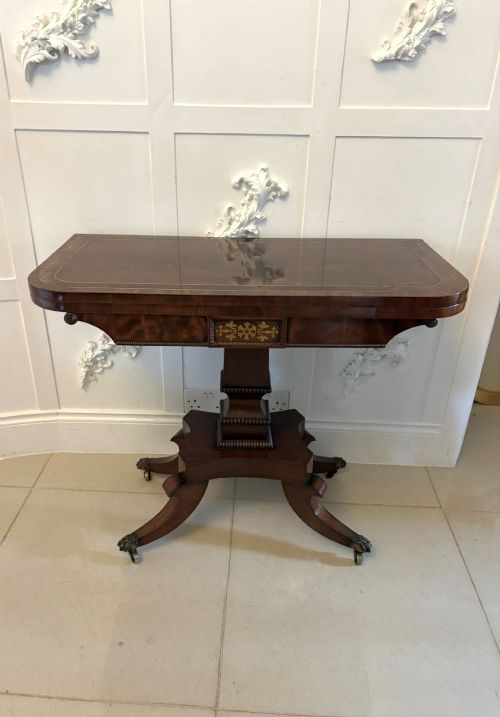
An English marquetry table relies on precise wood veneers and contrasting timbers to form pictorial or geometric patterns across the top. The phrase covers forms from the seventeenth century through to the late Victorian era.
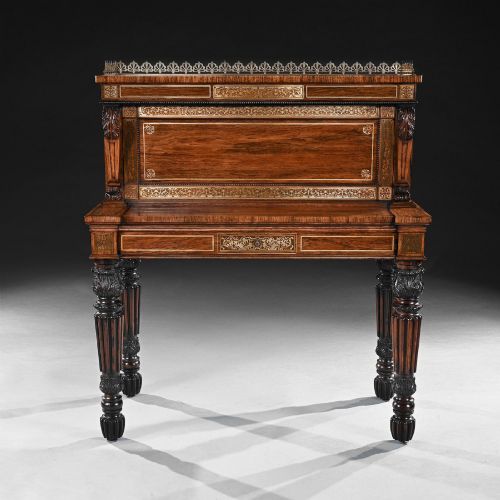
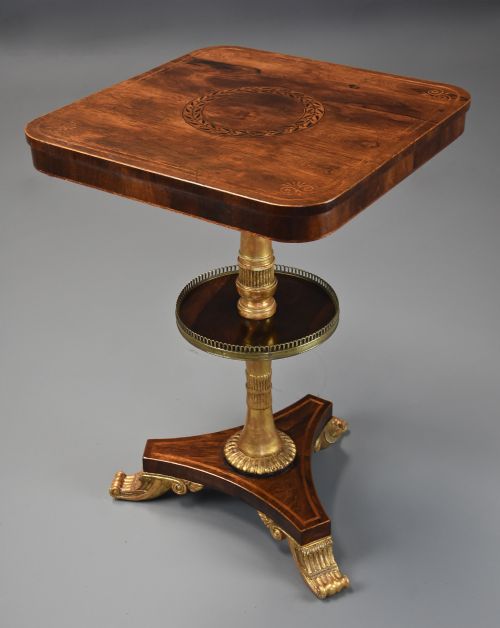
The pieces on this page span side tables, writing desks, card tables, and occasional stands. Buyers meet walnut, satinwood, and rosewood surfaces decorated with intricate floral or classical motifs.
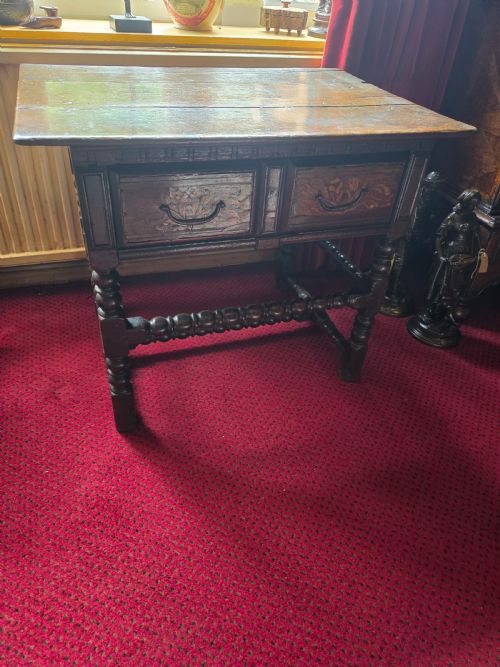
Earlier examples display simple oak construction with rudimentary inlay, while nineteenth-century interpretations favour elaborate satinwood and rosewood foundations. Each variation serves a different domestic function, from card playing to formal writing.
How they were made
Cabinetmakers built the carcase from solid timbers such as mahogany, oak, or walnut, establishing a stable base for the delicate veneers. Marquetry cutters then sliced thin sheets of fruitwood, satinwood, and rosewood, assembling the pictorial designs by hand before gluing them to the surface.
Brass mounts, ormolu details, and giltwood accents frequently complement the timber inlay on grander pieces. The finishing process involved meticulous scraping and polishing to highlight the natural grain contrasts of the woods.
English Marquetry Table Retail Price Guide 2026
Typical asking prices for english marquetry table among the pieces listed under this phrase on Sellingantiques today, from the lower quarter to the upper quarter. They describe what is for sale here now, not the wider market.
One exceptional desk includes an American Indian and lion motif, proving that nineteenth-century marquetry makers enjoyed a wild imagination.
What varies in quality
The precision of the veneer work dictates the standing of a piece, distinguishing sharp, tight joints from crude gaps filled with tinted stopping. Superior examples maintain crisp lines in the floral or geometric motifs without lifting or warping across the top.
The choice of secondary timbers and the crispness of any brass or giltwood mounts reveal the ambition of the original workshop. Finer items demonstrate a harmonious balance between the complexity of the inlay and the structural proportions of the legs and frame.
Gillows Oxford Street Workshop·George Bullock·Thomas Hope·Waring and Gillow·Ince and Mayhew
The English Marquetry Table Glossary
- Marquetry
- The art of applying pieces of veneer to a structure to form decorative patterns and pictures. It differs from buhl work by using wood rather than metals and tortoiseshell.
- Satinwood
- A durable, lustrous timber imported from the tropics, prized for its yellow sheen and smooth grain. Makers utilised it extensively during the eighteenth and nineteenth centuries for contrasting panels.
- Ormolu
- Gilded bronze used for mounts and decorative trims on furniture. Craftsmen cast and chased the metal before fixing it to the timber carcase.
- Demi-lune
- Half-moon shaped, typically describing a console or side table designed to stand flat against a wall. This form gained popularity in neoclassical and revival interiors.
- Etagere
- A set of open shelves for displaying small objects, sometimes incorporated into a multi-tiered occasional table. The design allows visibility from multiple angles in a drawing room.
English Marquetry Table: Frequently Asked Questions
How do I date an English marquetry table?
Examine the secondary timbers used in the drawer linings and carcase construction, as oak indicates earlier pieces while mahogany and walnut dominate later centuries. The style of the inlay and the leg configuration also align with distinct periods like the Regency or the Victorian revival.
Familiarise yourself with the typical proportions and edge mouldings of each era to separate eighteenth-century originals from nineteenth-century interpretations.
Where should I place a console table?
A console table works best flat against a wall in a hallway, drawing room, or dining space where it provides a surface for lamps or decorative objects. Because many examples feature finished backs, they can also stand away from the wall if room permits.
Ensure the piece is positioned away from direct sunlight and heat sources to protect the delicate wood veneers and polish from drying out.
How do I care for antique wood veneer?
Keep the timber clean with a soft, dry cloth and avoid modern aerosol polishes that leave silicone residues. Maintain a stable room temperature and humidity level to prevent the veneer from lifting or cracking over time.
Apply a microcrystalline wax occasionally if the surface appears dry, buffing it gently to preserve the natural lustre of the satinwood or rosewood.
What is the difference between a side table and an occasional table?
A side table typically stands permanently against a wall or beside other furniture to hold lamps and decorative items. An occasional table is lighter and designed to be moved around a room as needed for tea, writing, or sewing.
Both forms utilise marquetry tops, but occasional tables often include extra tiers or drop flaps for versatility.