




English Marble Antiques
English marble antiques are heavy, enduring pieces of historic furniture and sculpture, prized for their cool stone tops and solid craftsmanship.
English Marble Antiques
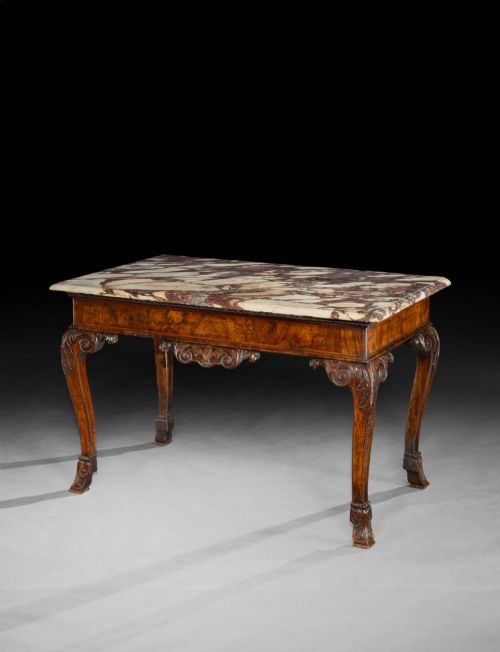
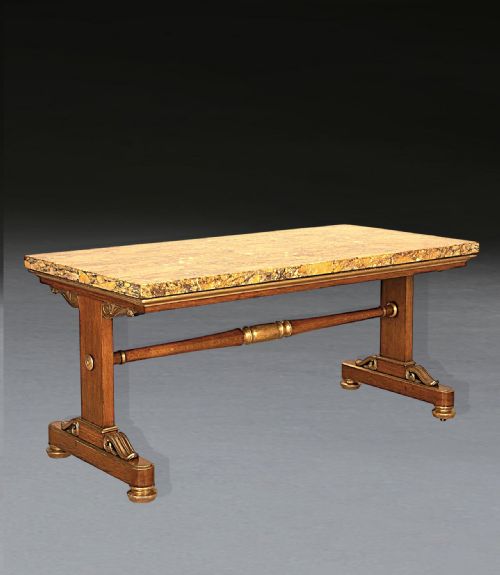
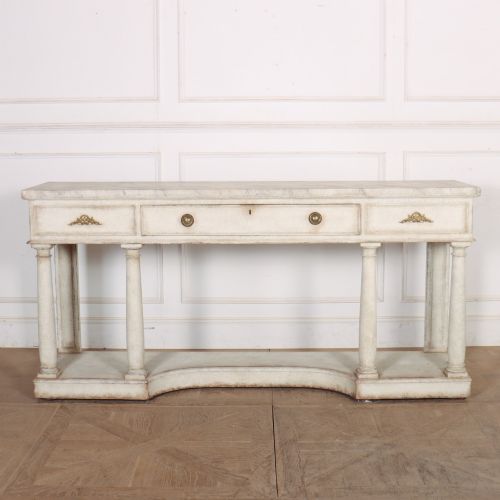
English marble antiques encompass a variety of heavy stone-topped furniture and sculptural objects, notably console tables, side tables, washstands, and occasional tables originating from the Georgian, Regency, and Victorian periods.
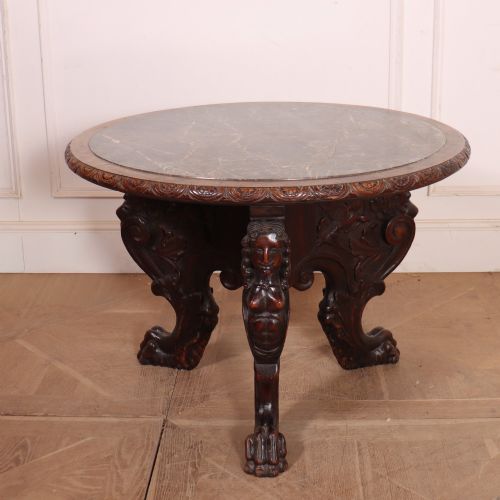
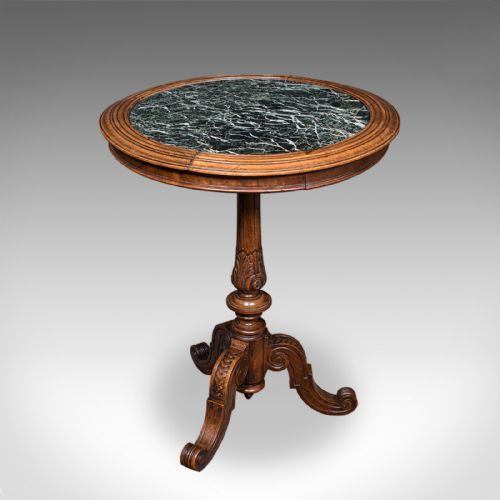
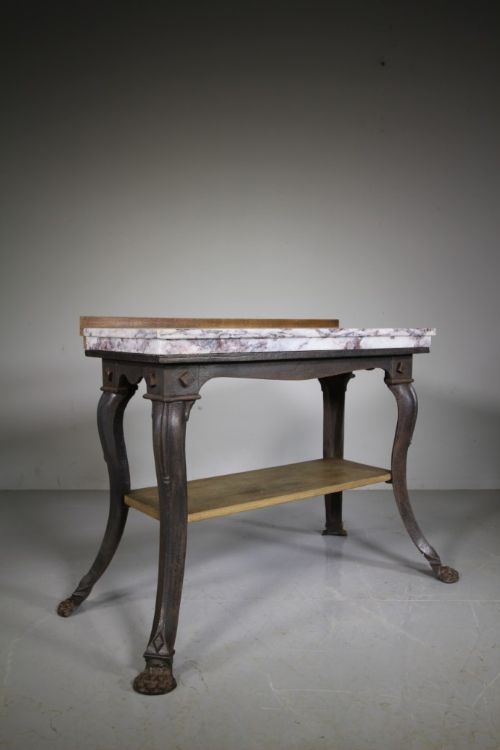
Buyers seeking English marble antiques most frequently encounter console tables and washstands featuring inset marble slabs, supported by timber frames such as walnut, rosewood, oak, or painted pine.
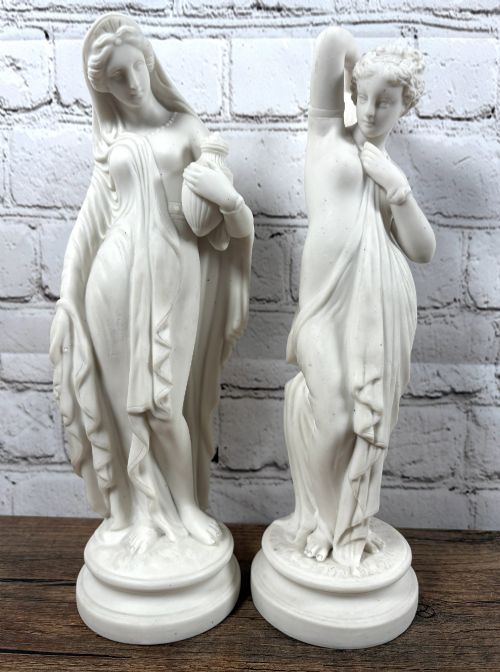
Beyond functional furniture, the category extends to decorative works including mantel clocks with marble elements and bronze sculptures mounted upon marble block plinth bases.
Materials and construction
Makers paired heavy slab marble tops with dense cabinet timbers like walnut, rosewood, and mahogany, often securing them to carved giltwood, ebonised, or painted pine bases.
Decorative objects within the category combine cast bronze or brass components with polished stone plinths, reflecting classical Neoclassical design principles prevalent across the eighteenth and nineteenth centuries.
English Marble Antiques Retail Price Guide 2026
Typical asking prices for english marble antiques among the pieces listed under this phrase on Sellingantiques today, from the lower quarter to the upper quarter. They describe what is for sale here now, not the wider market.
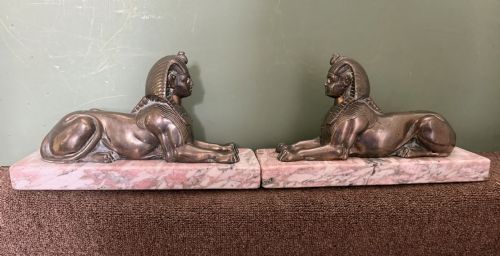
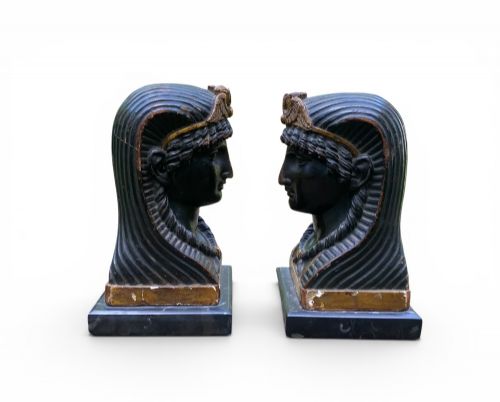
Several pieces owe their existence to classical mythology, featuring bronze sphinxes that guard their marble plinths with silent Victorian dignity.
Quality and execution
Superior examples distinguish themselves through the selection and figuring of the marble itself, alongside the precision of the carving on supporting wooden frames such as giltwood or rosewood.
The integration between the stone top and its structural base dictates the overall dignity of the piece, where finer workshop execution yields greater visual and structural harmony.
Thomas Hope·Thwaites of London·John Mclean
The English Marble Antiques Glossary
- Console table
- A wall-mounted or freestanding table supported by consoles or legs, frequently topped with marble for a formal appearance in hallways and reception rooms.
- Washstand
- A functional piece of bedroom furniture designed to hold wash basins, commonly fitted with a protective marble top to resist water damage.
- Specimen marble
- A decorative surface composed of various inlaid geometric or coloured marbles, creating a mosaic effect popular in Regency and Victorian craftsmanship.
- Plinth
- A heavy rectangular block base, often fashioned from marble, used to support bronze sculptures and clocks with architectural weight.
- Neoclassical
- A revival style drawing inspiration from classical antiquity, heavily featuring marble, bronze, and formal symmetry in British design.
English Marble Antiques: Frequently Asked Questions
What rooms suit an English marble table?
Console and side tables with marble tops sit well in entrance halls, formal living rooms, and dining spaces where their cool stone surfaces create a strong focal point. They provide sturdy display areas for lamps, ceramics, and decorative objects without overwhelming the proportions of a room.
Pairing these heavy tables with lighter textiles or woven rugs softens their formal architectural lines. Their durable stone tops also make them practical for everyday use in high-traffic interior settings.
How do I identify a Regency marble table?
Regency pieces often display strong classical influences, incorporating specific materials like Siena marble, giltwood, and rosewood within a single piece of furniture. Their frames frequently feature motifs inspired by ancient Greek and Roman design.
Proportions during this period tend to be architectural and balanced, sometimes incorporating bronze mounts or sphinx figures. The integration of the marble top is usually tight and fitted directly into the wooden rail structure.
Where were marble washstands used?
Washstands were essential bedroom and dressing room furnishings in nineteenth-century townhouses, providing a dedicated station for morning hygiene before plumbed bathrooms were common. The marble top offered a hygienic, waterproof surface for porcelain ewers and basins.
Victorian examples often included low splashbacks and integrated lower shelving for storing pitchers and chamber pots. Today, these adaptable cabinets function effectively as hallway stands or small sideboards.