


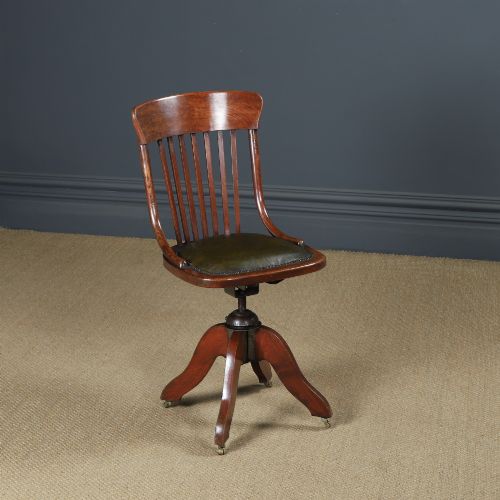
English Leather Chair
An English leather chair brings enduring comfort and character to a room, spanning formal library seating to sturdy oak desk chairs.
English Leather Chair
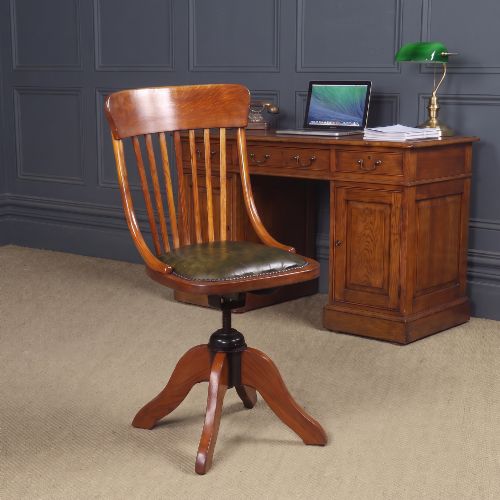
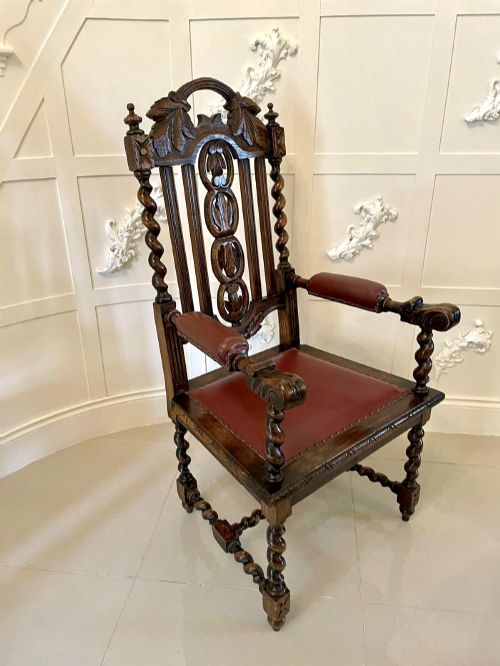
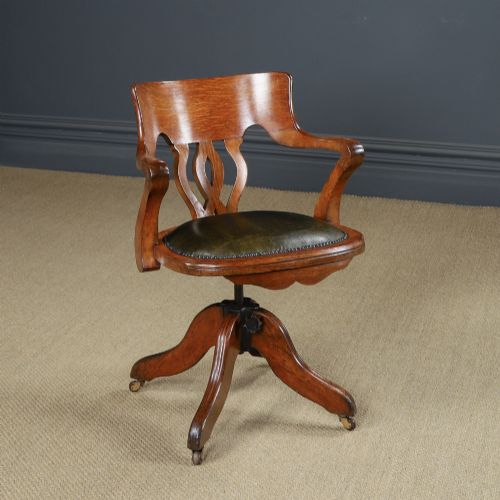
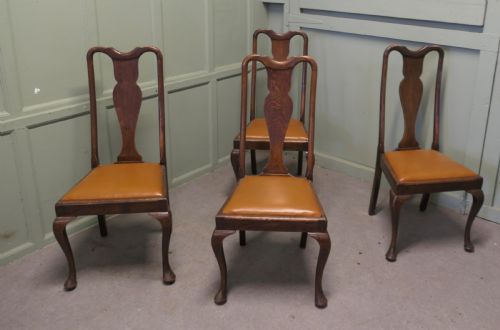
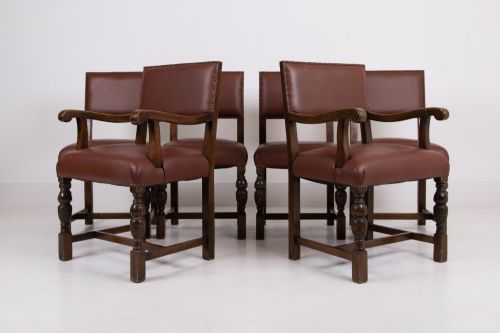
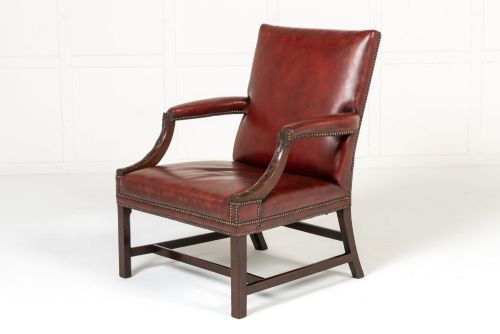
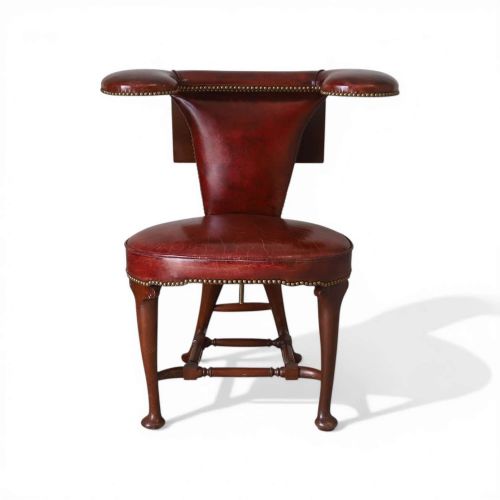
When you search for an english leather chair, you encounter a diverse range of historical seating forms shaped by centuries of craftsmanship. The selection includes everything from grand 18th century mahogany Gainsborough chairs to utilitarian George V revolving office desk chairs with green leather seats.
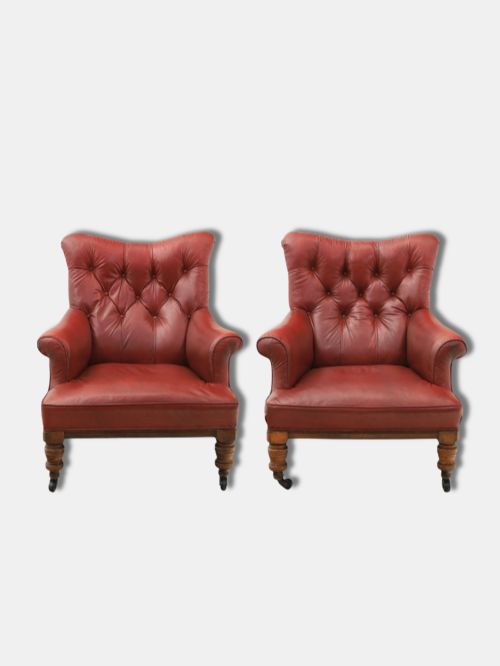
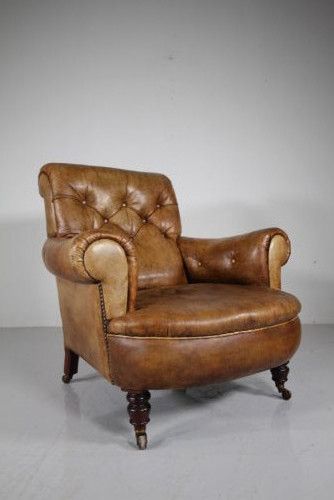
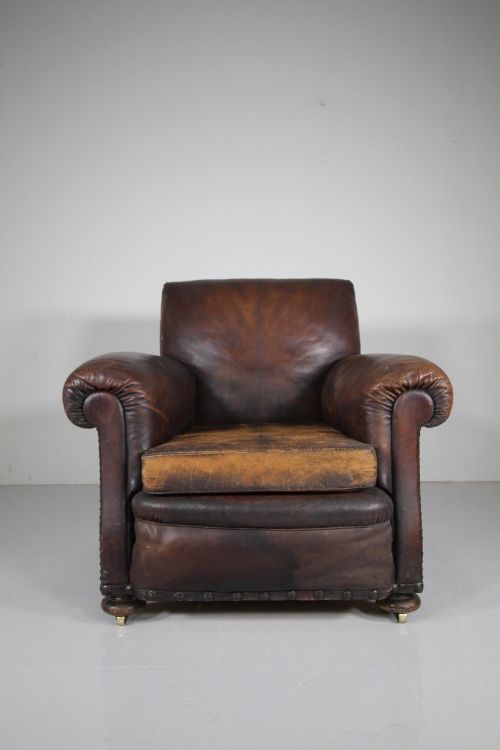
Buyers are most likely to meet Victorian and Edwardian armchairs or revolving desk chairs outfitted with hide or rexine upholstery. These seating options reflect the evolving domestic and professional requirements of their respective periods.
Materials and Technique
The construction of these chairs relies heavily on durable hardwoods like oak, mahogany, walnut, and rosewood, often shaped into intricate frames with carved details or plain turned legs. Brass fittings, iron mechanisms, and turned wood components provide structural support and mobility.
Upholstery techniques involve securing hand-dyed English hide leather or rexine over supportive padding, frequently finished with brass studding or deep buttoning. Master cabinetmakers employed traditional joinery alongside specialised mechanics for revolving desk chairs and metamorphic library steps.
Listings feature oak, mahogany, walnut, and rosewood frames paired with traditional leather and rexine upholstery.
Distinctions in Standard
The distinction between ordinary and exceptional examples rests on the integrity of the timber frame, the depth of hand-carved detail, and the original quality of the leather hide. Chairs bearing documented maker signatures or showcasing superior joinery command greater appreciation.
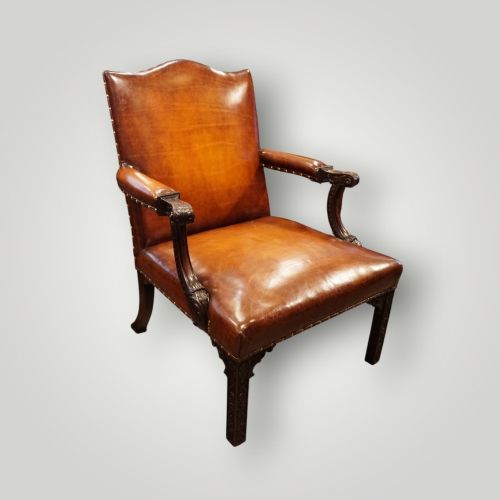
Proportion and the preservation of original surfaces distinguish finer pieces from standard utilitarian items. The finesse of the carving, such as Chippendale blind fretwork or claw and ball feet, elevates certain armchairs above standard production.
Howard & Son's·Shoolbred·Robert Mouseman Thompson
The English Leather Chair Glossary
- Gainsborough chair
- A type of wide armchair with an upholstered back and seat, open padded arms, and short cabriole or straight legs. This form originated in the mid-18th century and was designed for writing desks or drawing rooms.
- Chesterfield armchair
- A deep-buttoned, heavily padded armchair traditionally upholstered in leather. It is characterised by arms and back of the same height.
- Revolving desk chair
- An office chair fitted with a central swivel mechanism allowing rotation. These typically feature green or brown leather upholstery set into oak, beech, or mahogany frames.
- Bergère
- An enclosed armchair with upholstered back and sides, where the wooden frame is exposed. These often incorporate cane panels or leather upholstery.
English Leather Chair: Frequently Asked Questions
How do I identify a Georgian leather chair?
Georgian leather chairs typically feature solid mahogany or walnut frames with restrained carving, often displaying styles associated with Chippendale or Hepplewhite designs. The hide upholstery is usually secured with individual brass tacks along the borders.
Examine the underside and joints for period construction methods, such as hand-cut dovetails and pegged mortise and tenon joints. The presence of dense, heavy timbers and hand-dyed leather further indicates Georgian origin.
Where were library chairs used?
Library chairs were traditionally placed in the private studies, libraries, and drawing rooms of large country houses and urban townhouses. They provided comfortable seating for reading heavy volumes or conducting correspondence.
Many examples incorporate clever functional designs, such as revolving mechanisms for desks or metamorphic steps for reaching high bookshelves. Their generous proportions were specifically intended for long periods of scholarly study.
How do I care for antique leather?
Antique leather benefits from regular dusting with a soft, dry cloth to prevent dirt from settling into the grain. Applying a specialist leather conditioner periodically helps maintain suppleness and prevents the hide from drying out.
Keep these chairs away from direct sunlight and strong heat sources, which can cause the leather to crack and fade. Gentle handling preserves both the original patina and the structural integrity of the hide.