




English Impressionist Oil
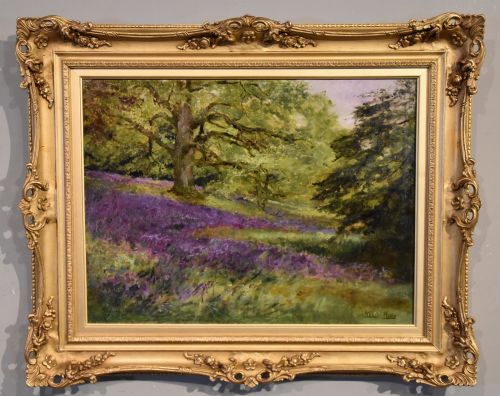
An english impressionist oil captures transient light and native landscapes through textured brushwork developed across the early decades of the twentieth century.
English Impressionist Oil
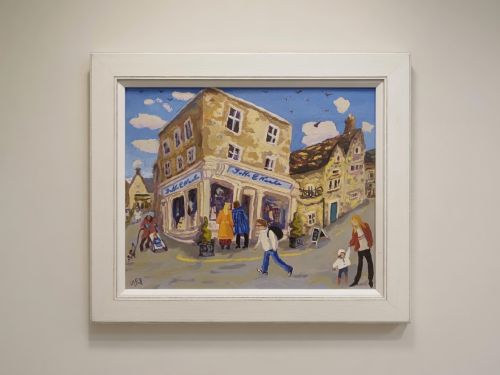
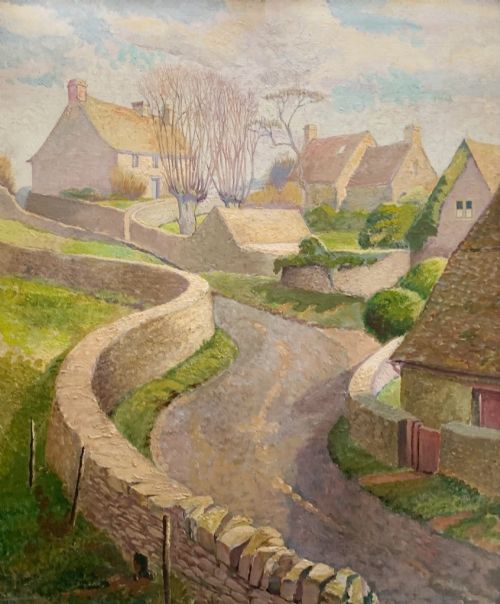
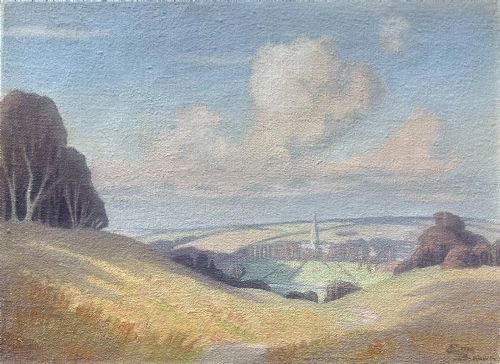
An English impressionist oil represents a distinct school of painting focused on light, atmosphere, and domestic scenery produced across Britain from the late Victorian era through the mid-twentieth century. These works depict familiar rural vistas, coastal scenes, and quiet domestic moments rendered with rapid, visible brushstrokes rather than rigid academic finish.
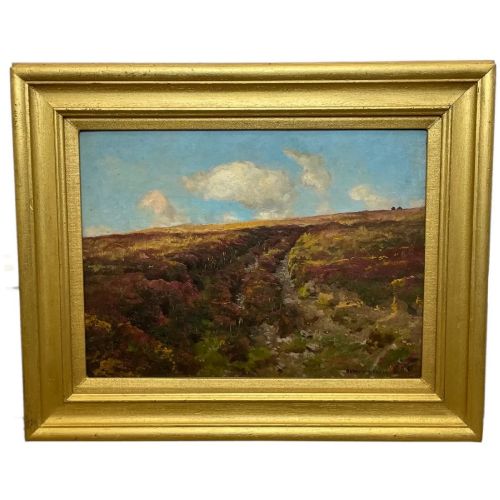
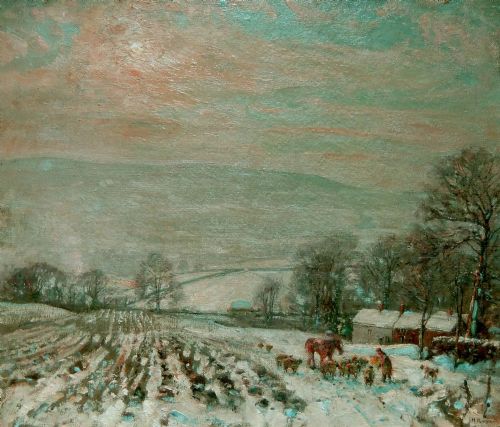
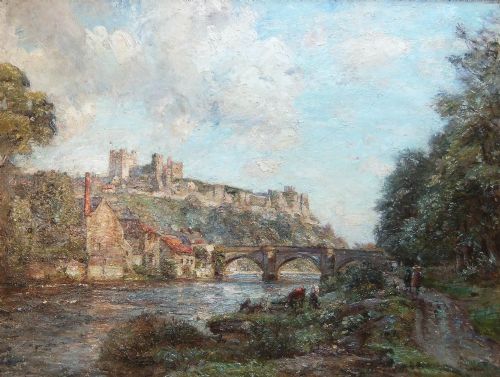
The pieces most frequently encountered here date from the nineteen-tens through the nineteen-thirties, reflecting regional Yorkshire movements, Staithes group artists, and early modernism. Common subjects range from Wharfedale haytimes and Yorkshire farmsteads to West Country moorland and riverside watercolours translated into heavy pigments.
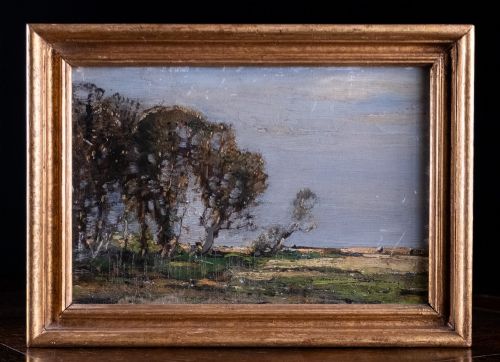
Compositions often emerge from plein air excursions where painters confronted changing weather and coastal light directly on canvas or board. The resulting objects connect modern collectors directly to the shifting moods of the English countryside preserved in oil.
How They Were Made
Painters applied oil paint using loaded brushes and palette knives, building thick impasto surfaces that caught the light physically on the picture plane. This heavy manipulation of pigment created dynamic textures, particularly when capturing choppy seas, winter snow, or dense foliage.
Supports varied between stretched canvas, prepared wood panel, and rigid board, depending on whether the artist worked in a fixed studio or travelled lightly for outdoor sketching. Wood panels and boards offered stable surfaces for rapid plein air application, while larger exhibition pieces typically relied on heavy canvas.
Several artists clearly paused their landscape sessions just long enough to record the local farmyard ducks and grazing sheep.
What Varies in Quality
Quality rests in the confidence of the brushwork and the artist's ability to render atmosphere without excessive detail. Superior examples demonstrate a decisive handling of light where every stroke defines form and space simultaneously, avoiding muddy colour transitions.
Compositional strength and the immediacy of the observation separate exceptional works from routine topographical records. Stronger paintings retain the vibrating energy of the initial encounter with the subject, while lesser pieces rely on formulaic arrangements of trees, cottages, and rivers.
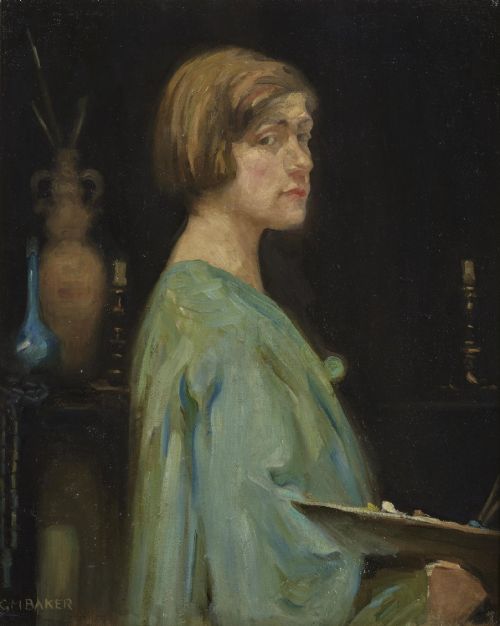
George Graham·Arthur Wardle·Kershaw Schofield·Herbert Royle·Lucy Pratt·Eric Brown·Gladys Marguerite Baker·Henry Yeen King·Florence Adelina Hess·John Horace Hooper·Hubert Wellington·Joseph Edward Hennah·Charles Walter Simpson·Harry Freckleton·Sir David Murray·William JB Jenkins·Ernest Higgins Rigg·Reginald Grange Brundrit·Owen Bowen·William Greaves·Frederick W Jackson·Fred Stead
The English Impressionist Oil Glossary
- Impasto
- Paint applied thickly to a canvas or panel, standing out in relief from the surface. This technique allows brush and knife marks to retain their physical shape and catch ambient light.
- Plein air
- Painting executed outdoors directly in front of the subject rather than from memory or sketches inside a studio. The practice became central to capturing transient effects of natural light.
- Board
- A rigid flat support made from wood pulp or compressed material used instead of stretched canvas. Painters favoured boards for quick outdoor studies because they required minimal preparation.
- Panel
- A solid piece of wood utilised as a painting support. Panels provide a completely rigid foundation that prevents the flexing associated with canvas.
- Staithes Group
- A loose association of painters working on the Yorkshire coast influenced by French impressionist theories. Their output combined bright palettes with scenes of local maritime and rural life.
English Impressionist Oil: Frequently Asked Questions
What defines an English impressionist oil?
These works are defined by loose, visible brushwork and a primary focus on natural light, weather, and domestic landscapes. Artists broke away from strict academic realism to capture the fleeting qualities of English rural and coastal scenes.
Created predominantly between the late nineteenth century and the mid-twentieth century, they reflect a distinct national response to continental modernism while retaining traditional British subject matter.
Where were these paintings created?
Many works originate from regional art colonies and coastal settlements where artists gathered to paint outdoors. Popular locations include the Yorkshire coast around Staithes, Wharfedale valleys, West Country moors, and rural Gloucestershire.
Artists frequently carried small wooden panels and boards into fields and fishing villages to record direct observations before finishing larger canvases in their studios.
How should I frame and display these?
Traditional moulded wood frames, often gilded or toned to match the period, complement the heavy paint textures and historical nature of these works. Simple profiles allow the impasto surface and energetic brushstrokes to remain the focal point.
Display them away from direct sunlight and excessive humidity to protect organic wooden supports and oil pigments from environmental degradation over time.
How do I date an early twentieth century piece?
Dating relies on stylistic evidence, artist biography records, exhibition labels on the reverse, and the physical composition of the canvas or board support. Many pieces carry direct inscriptions, signatures, or dates applied by the artist.
Examining the framing materials, backing papers, and stretcher construction also helps establish the approximate decade of production when explicit dates are absent.