


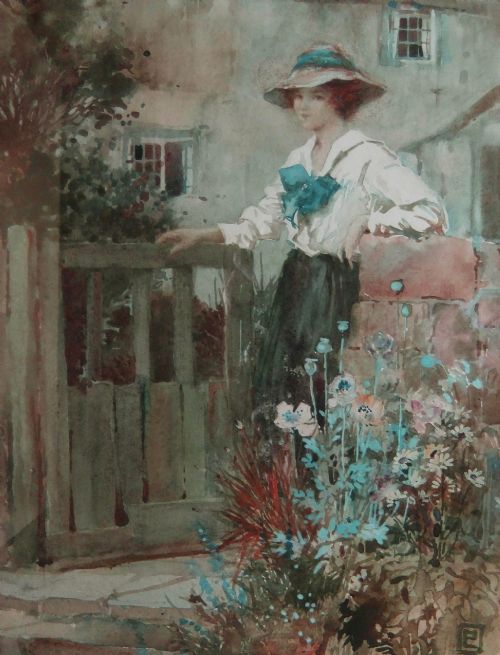


English Impressionist Landscape Art
English impressionist landscape art captures local rural scenes with loose brushwork and natural light, appealing to collectors seeking authentic regional character.
English Impressionist Landscape Art
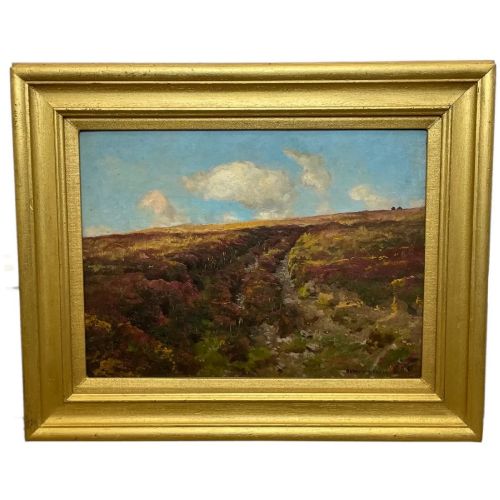
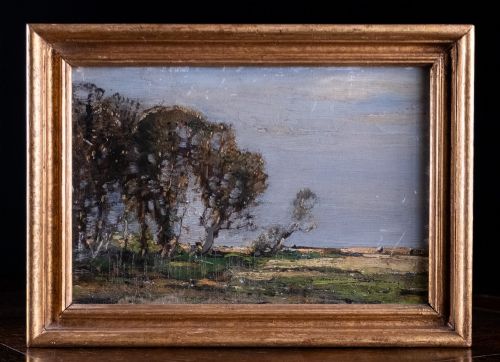
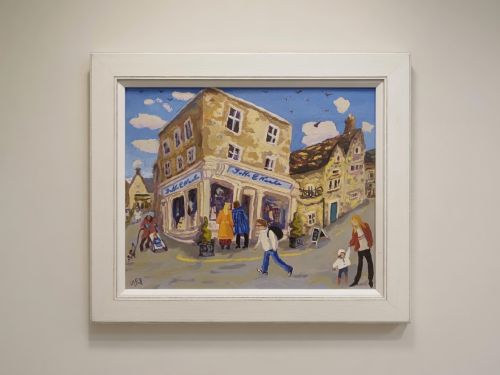
English impressionist landscape art encompasses rural views, coastal harbours, and country cottages rendered through the lens of early twentieth-century and mid-century British painting.
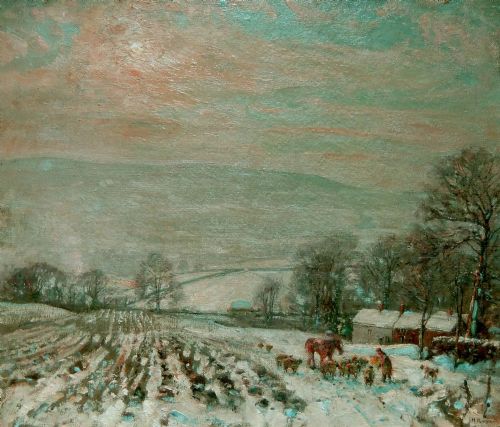
The versions most commonly met on this page originate from periods spanning the Edwardian era through the nineteen-fifties, capturing scenes from Yorkshire, Cornwall, and Gloucestershire.
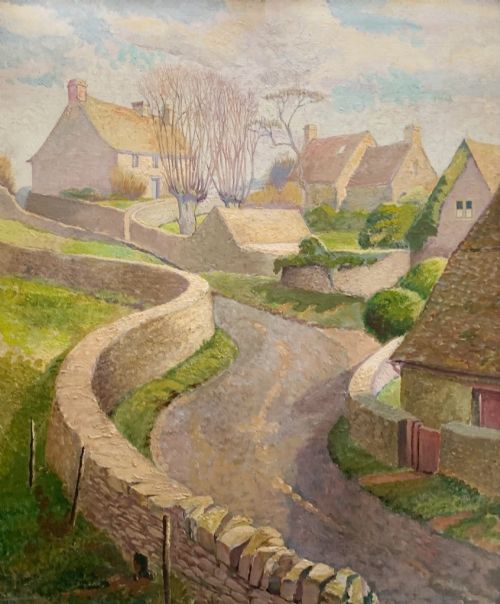
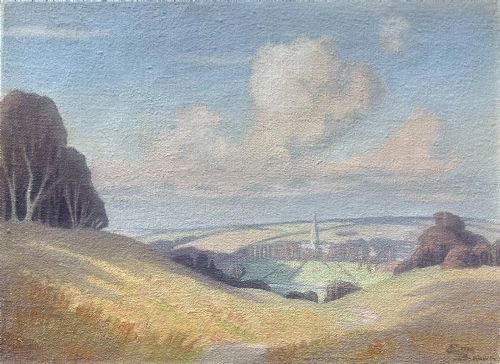
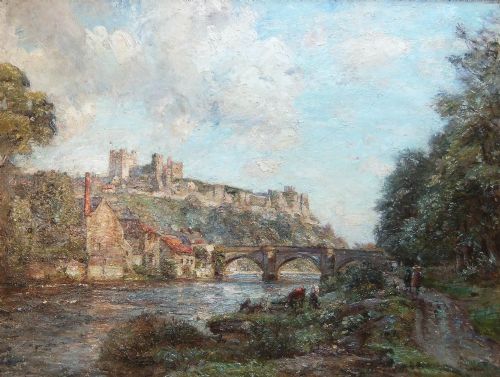
Works appear in formats ranging from oil paintings on canvas and wood panel to watercolours on paper, depicting farmyards, riverbanks, and hillside pastures.
Materials and Techniques
Artists applied oil paint and watercolour across canvas, paper, wood panels, and board to build textured, atmospheric surfaces.
Brushwork varies from thin, translucent watercolour washes to thick impasto layers of oil pigment applied en plein air or finished within the studio.
Several canvases preserve traces of dried studio flora, reminding viewers that these landscapes were painted straight from the windy Yorkshire grass.
Evaluating Quality
Quality rests upon the confidence of the brushwork and the artist's ability to capture transient effects of light and weather across a specific topography.
Compositional balance and the preservation of the original painted surface separate standard regional records from works of enduring visual strength.
George Graham·Arthur Wardle·Kershaw Schofield·Herbert Royle·William Banks Fortescue·Lucy Pratt·Eric Brown·Henry Yeen King·Percy Lancaster·Florence Adelina Hess·John Horace Hooper·Hubert Wellington·Edgar Woollatt·Joseph Edward Hennah·Charles Walter Simpson·Harry Freckleton·Sir David Murray·William JB Jenkins·Ernest Higgins Rigg·Arthur Reginald Smith·Fred Lawson·Reginald Grange Brundrit·Arthur Tucker·Owen Bowen·John Atkinson
The English Impressionist Landscape Art Glossary
- En plein air
- Painting outdoors directly from the subject to capture natural light and transient atmospheric conditions. This practice defines much of the impressionist approach to landscape.
- Impasto
- Paint applied thickly to a canvas or panel so that the brush or palette knife marks stand visibly proud of the surface. It adds tactile depth and texture to foliage, water, or sky.
- Provenance
- The documented history of ownership or the recorded origin of an artwork. Studio sales and exhibition labels often help trace this background.
- Watercolour
- A painting method where fine pigment is suspended in a water-soluble binder on paper. It relies on the white of the paper shining through translucent washes.
English Impressionist Landscape Art: Frequently Asked Questions
What subjects do these paintings show?
These works depict traditional English subjects including Yorkshire farmyards, Cornish fishing harbours, river valleys, and quiet country lanes.
Artists frequently recorded specific regional landmarks, rural villages, and local characters engaged in daily activities.
How should I frame and display them?
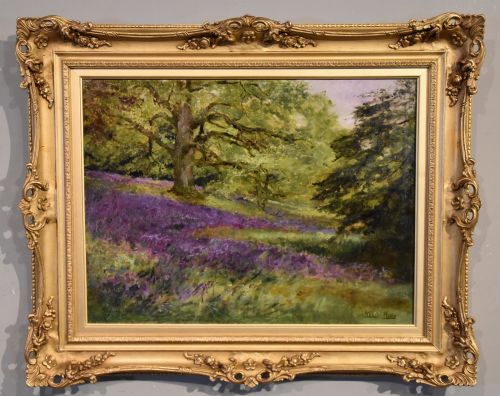
Oils on canvas and board generally suit traditional moulded wooden frames that protect the edges and complement the period aesthetic.
Watercolours require conservation mounting behind glass to protect the paper and pigments from atmospheric moisture and direct sunlight.
Are watercolours different from oil paintings?
Watercolours utilise water-soluble pigments on paper, creating lighter, translucent effects that often capture delicate weather and seasonal shifts.
Oil paintings use suspended pigments in drying oils on canvas or wood panels, allowing for heavier textures and richer colour blending.
How can I tell the period of a piece?
Dating relies on artist biographical records, exhibition labels, and stylistic shifts between Edwardian academic realism and later twentieth-century modernism.
Framing styles, canvas stamps, and handwritten inscriptions on the reverse of panels or stretchers also provide reliable chronological clues.