

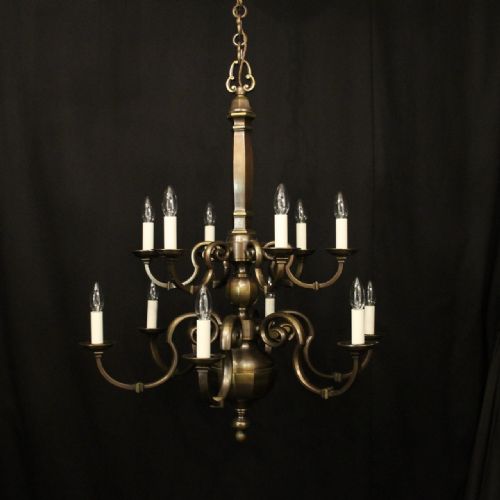


English Hanging Light
An English hanging light transforms a space with period character, offering everything from practical brass hall lanterns to grand crystal chandeliers.
English Hanging Light
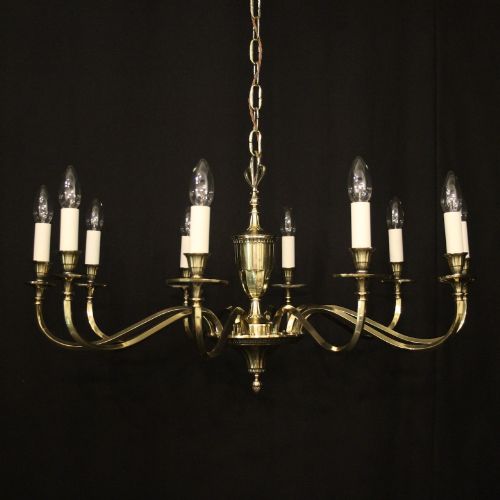
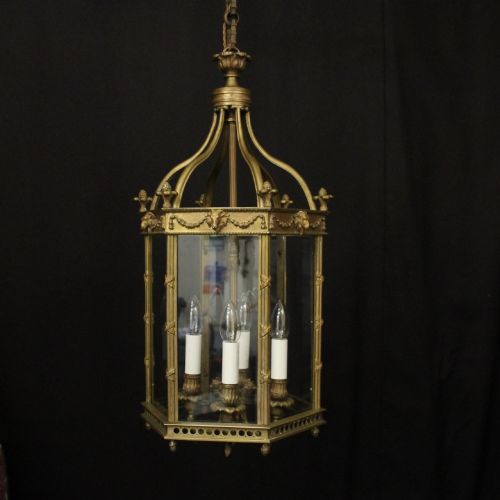
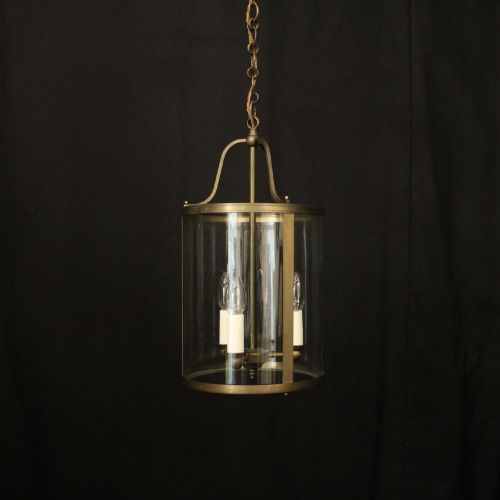
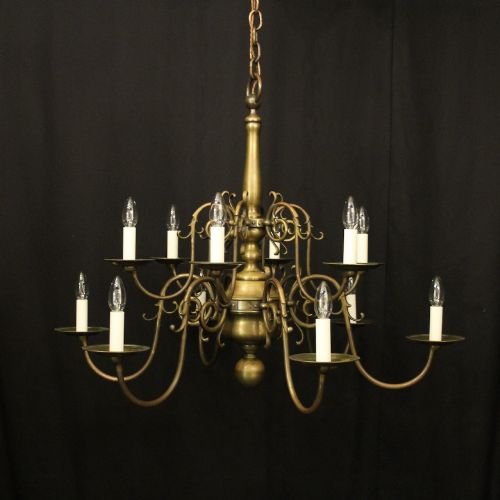
An English hanging light encompasses practical hall lanterns, single pendant lights, and multi-branch chandeliers spanning the nineteenth and early twentieth centuries. These pieces appear in styles ranging from Gothic Revival and Edwardian to Art Deco and English Country.
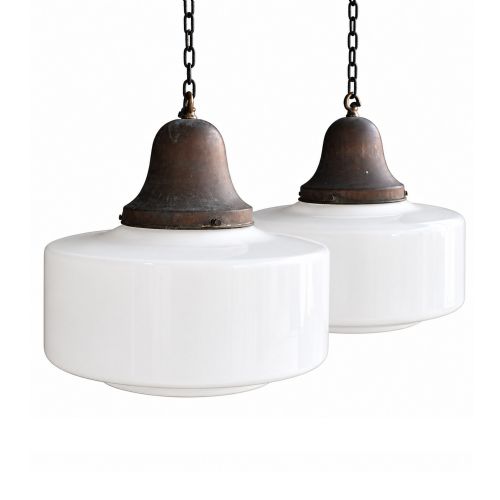
Buyers seeking an English hanging light most frequently encounter brass and bronze lanterns alongside glass pendants from the Edwardian era and the nineteen-twenties. Forms vary from simple factory lights and moonstone glass shades to ornate cut glass tent and bag chandeliers.
Materials and construction
Metals form the structural backbone of these fixtures, utilising cast or gilded bronze, brass, wrought iron, and silvered metal. Artisans shaped these materials into intricate frames for hall lanterns and substantial bodies for chandeliers.
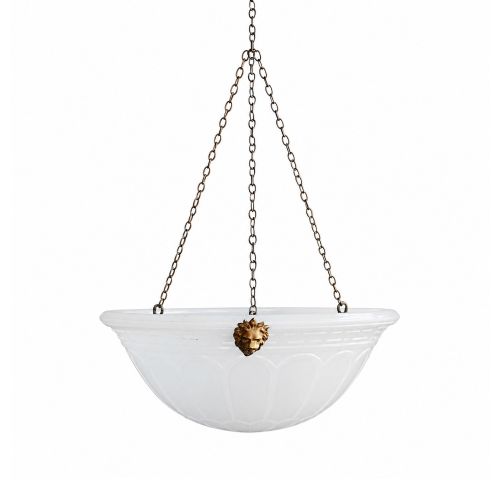
Glass components range from plain opal and moonstone glass to heavily cut crystal and white alabaster dishes. Workshops combined these translucent elements with metal mounts to diffuse illumination effectively across domestic and institutional interiors.
English Hanging Light Retail Price Guide 2026
Typical asking prices for english hanging light among the pieces listed under this phrase on Sellingantiques today, from the lower quarter to the upper quarter. They describe what is for sale here now, not the wider market.
Church lights and pharmacy pendants occasionally escape their original institutional walls to illuminate modern hallways with unexpected industrial grandeur.
Distinguishing quality
Quality rests in the crispness of metal casting, the weight of the bronze or brass framework, and the hand-cut precision of the crystal elements. Superior examples display refined proportions and deliberate detailing rather than simple mass production.
The integrity of the original glass shades, whether moulded moonstone or intricate cut glass, separates standard fixtures from exceptional ones. Finish matters too, with original gilding or patination holding greater visual depth than later alterations.
The English Hanging Light Glossary
- Hall lantern
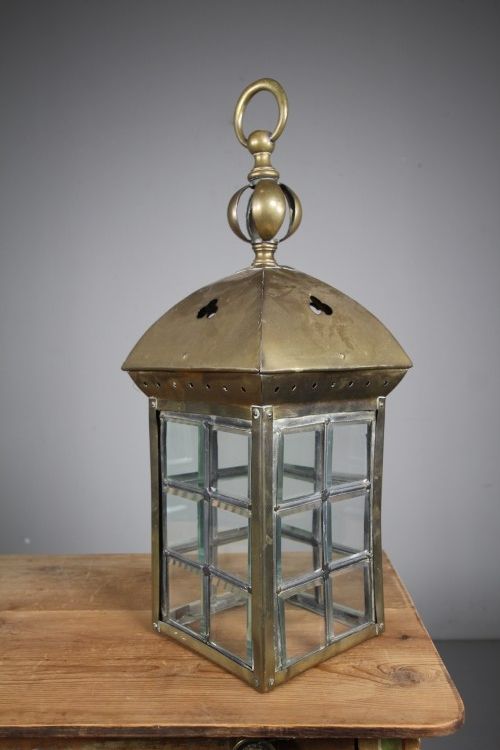
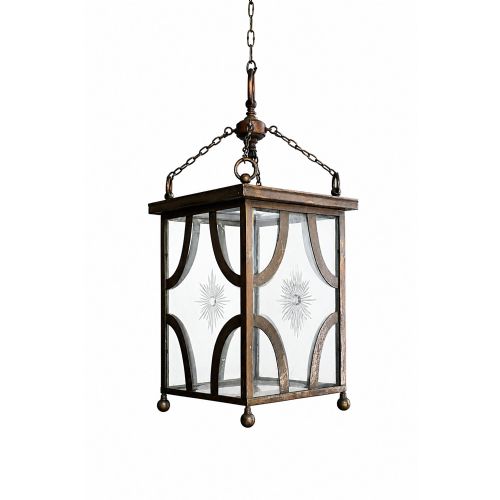
- An enclosed ceiling fixture designed specifically for narrow entrance spaces and corridors. These typically feature glazed glass panels set within a brass, bronze, or iron frame.
- Tent and bag chandelier
- A lighting fixture featuring an upper canopy of gathered glass beads shaped like a tent above a bag-shaped lower basket. This configuration maximises light refraction from internal candle branches.
- Moonstone glass
- An opaque, milky white glass popular in early twentieth-century lighting. It softens harsh electric illumination into a gentle, even glow.
- Corona
- A circular crown-like metal fixture suspended from the ceiling to hold multiple lights. This form frequently appears in ecclesiastical or Gothic Revival contexts.
English Hanging Light: Frequently Asked Questions
Where should I hang a hall lantern?
Hall lanterns suit entranceways, stairwells, and corridors where ceiling height permits a suspended fixture. Their enclosed design protects the light source while providing welcoming illumination in transitional spaces.
Ensure adequate clearance beneath the fixture so movement remains unobstructed. Brass and bronze models complement traditional architecture particularly well.
How do I date an antique pendant light?
Dating relies on stylistic markers, material composition, and manufacturing techniques characteristic of specific periods like the Edwardian era or the nineteen-twenties. Gothic Revival and Aesthetic Movement pieces display distinct decorative vocabularies from later Art Deco designs.
Examining the fixings, metal patination, and glass types helps narrow the decade of production. Documentation or provenance, when present, provides further chronological clarity.
Are crystal chandeliers difficult to maintain?
Crystal chandeliers require careful, periodic cleaning to maintain their reflective brilliance and remove accumulated dust. Individual glass drops and prisms benefit from gentle hand washing with appropriate conservation solutions rather than harsh chemicals.
Supporting the frame during cleaning prevents strain on historical joints and wiring. Routine maintenance preserves both the appearance and structural integrity of the fixture.
What rooms suit a moonstone glass pendant?
Moonstone glass pendants diffuse light evenly, making them effective in kitchens, pantries, and utility spaces where practical illumination is essential. Their simple, milky appearance also integrates smoothly into bathrooms or casual dining areas.
These fixtures often originate from commercial or domestic contexts like pharmacies and Edwardian hallways. Their understated aesthetic pairs well with both period properties and minimalist interiors.