




English Gothic Panel
An english gothic panel brings deep historic character to an interior, offering centuries-old carved timber that grounds a room with genuine architectural presence.
English Gothic Panel
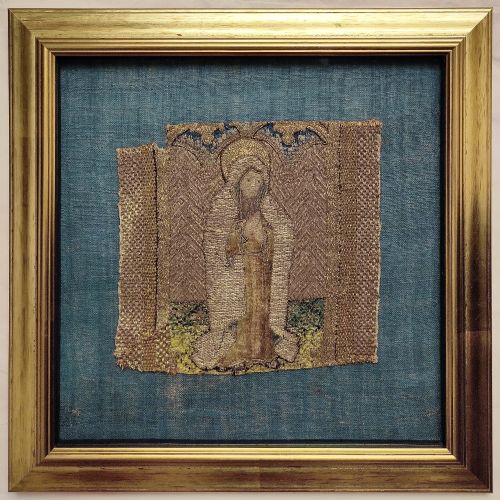
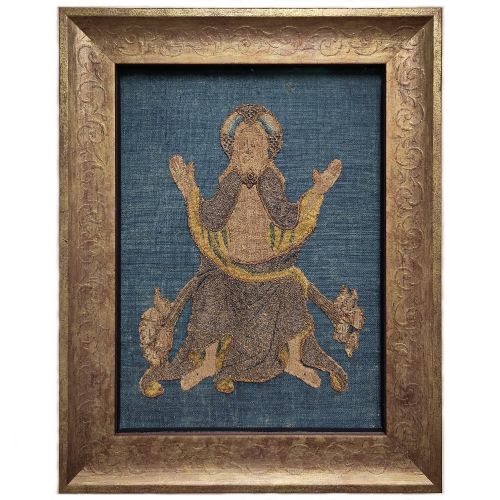
When you search for an english gothic panel, you are looking at architectural salvage and decorative woodwork originating from various historic eras. The selection ranges from early sixteenth-century carvings to nineteenth-century Gothic Revival interpretations made for domestic and ecclesiastical interiors.
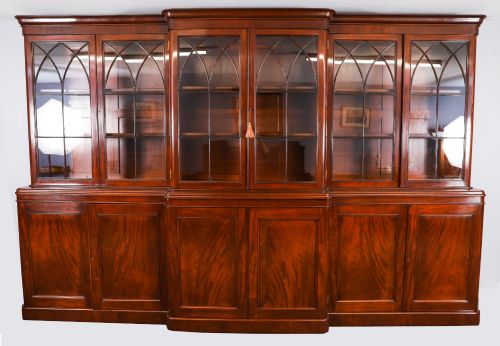
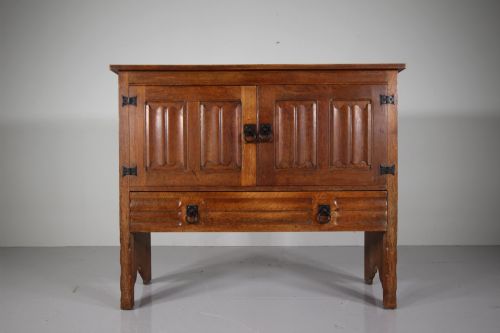
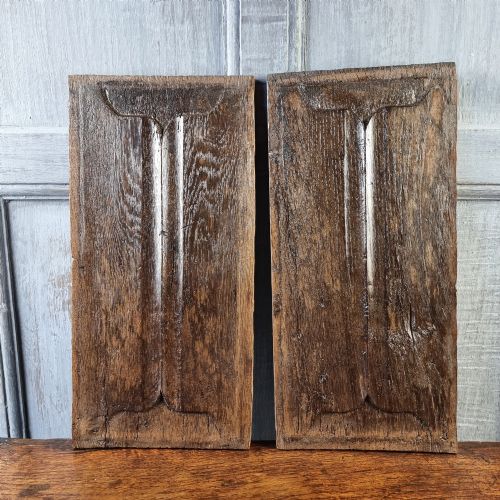
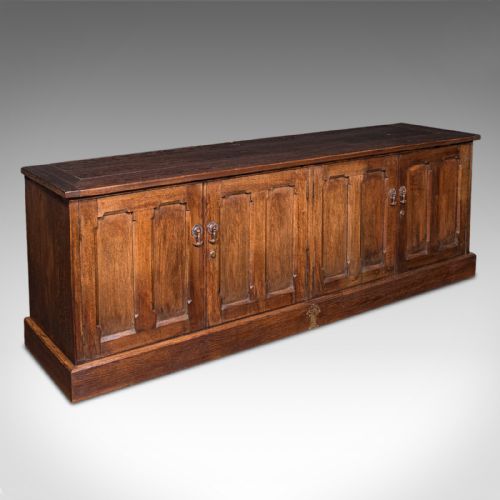
The versions you are most likely to meet on this page include early timber linenfold panels alongside later revival pieces incorporated into cabinets, storage cupboards, and decorative wall displays. These items capture the sombre, vertical emphasis characteristic of English medieval and Tudor design traditions.
Periods represented across the inventory span the sixteenth, eighteenth, and nineteenth centuries, including Victorian reinterpretations. Makers and craftsmen across these eras utilised robust native timbers to create sturdy panels and fitted woodwork intended for permanent installation.
Materials and construction methods
Makers relied principally on English oak as the primary timber, valued for its durability, dense grain, and ability to hold crisp chisel work. Fruitwood and pine also appear in specific regional items and secondary structural elements.
Joinery techniques relied on traditional pegged mortise and tenon frames to house floating panels, allowing the wood to expand and contract naturally with seasonal humidity changes. Carvers used gouges and chisels directly on the solid timber surface to achieve low-relief linenfold motifs or narrative figural scenes.
English Gothic Panel Retail Price Guide 2026
Typical asking prices for english gothic panel among the pieces listed under this phrase on Sellingantiques today, from the lower quarter to the upper quarter. They describe what is for sale here now, not the wider market.
One unexpected panel depicts the dramatic narrative of the chicken thief, proving that medieval carvers enjoyed injecting domestic humour into serious timber work.
Distinguishing quality in historic woodwork
The top of the range is defined by the crispness of the hand-carved detail and the untouched integrity of the original timber surface. Early sixteenth-century pieces display a sharpness and depth in the folds or figures that later mechanical copies fail to replicate.
Proportion and structural honesty separate superior items from lesser examples. Panels retaining their original pegged framework and rich, unpolished historic patina command greater appreciation than those stripped bare or heavily restored with modern adhesives.
The English Gothic Panel Glossary
- Linenfold
- A style of wood panel carving popular in the Tudor period, designed to resemble folded linen fabric laid in vertical vertical folds across the surface.
- Gothic Revival
- An architectural and decorative style spanning the eighteenth and nineteenth centuries that revived medieval structural forms, pointed arches, and ecclesiastical motifs.
- Architectural salvage
- Building elements and decorative fixtures rescued from older structures before demolition or alteration, preserving historic materials for reuse in interior design.
- Coffer
- A large heavy chest, typically made of oak, used for storage in domestic or ecclesiastical settings during the medieval and Tudor eras.
English Gothic Panel: Frequently Asked Questions
How were these panels used originally?
In medieval and Tudor buildings, wood panels lined cold stone walls to provide insulation and decorative richness to domestic halls and churches.
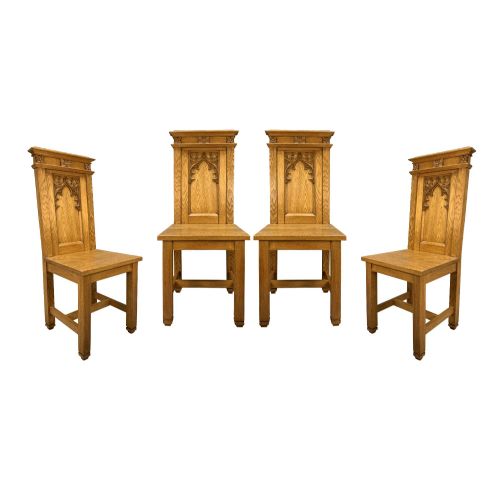
Later Victorian revival interiors incorporated antique or newly carved panels into cabinets, wall displays, and architectural seating.
How do I date an oak panel?
Dating relies on examining the tool marks left by hand chisels, the construction methods of the surrounding frame, and the natural ageing of the timber.
Early sixteenth-century work exhibits distinct hand-adzed surfaces and pegged joinery that differ noticeably from nineteenth-century revival manufacturing techniques.
How do I hang a wall panel?
Wall panels require secure fixing systems suited to their substantial weight, typically involving heavy-duty battens or concealed metal brackets anchored into masonry studs.
Ensuring proper load distribution protects both the historic timber frame and the wall surface from strain.