

English Gold Mirror
An English gold mirror brings warmth and reflective depth to a room, drawing the eye with gilded surfaces shaped in Georgian and Victorian styles.
English Gold Mirror
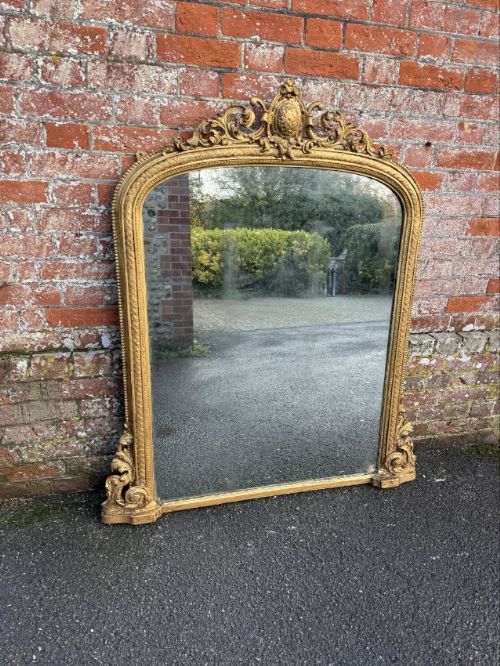
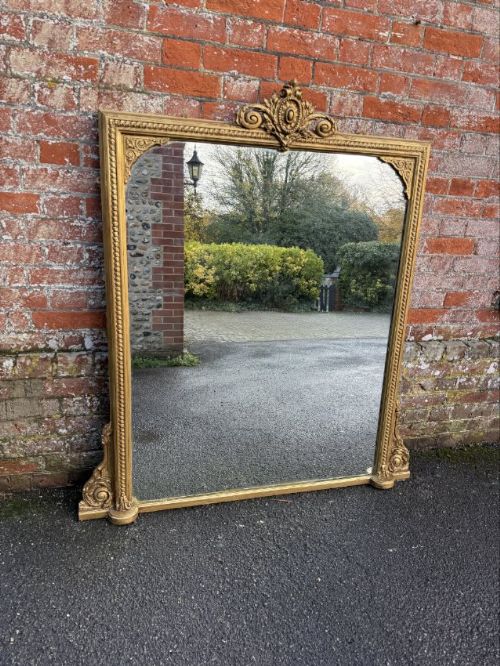
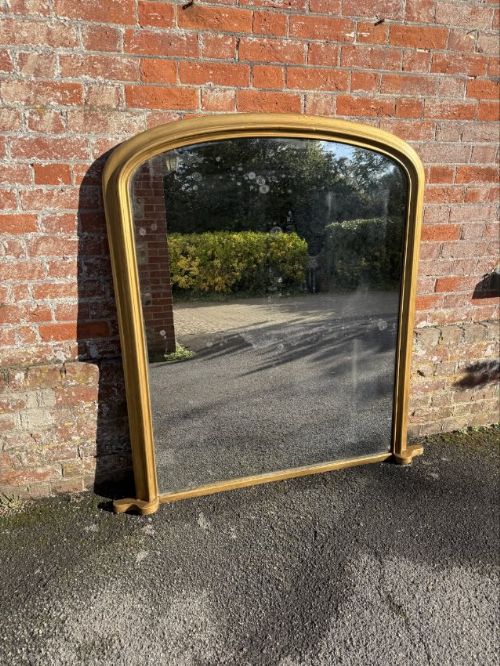
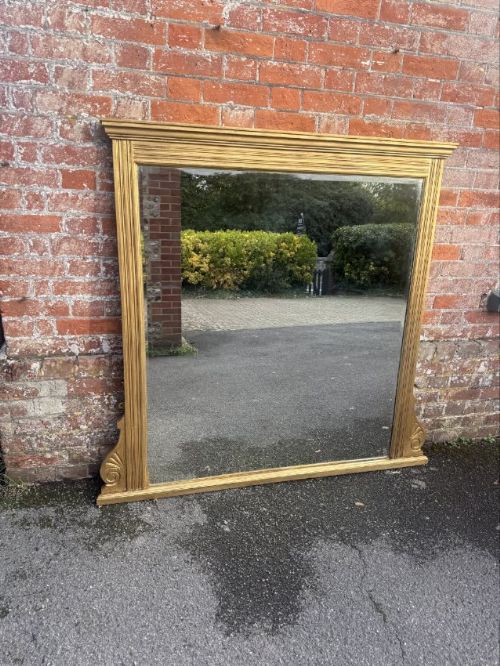
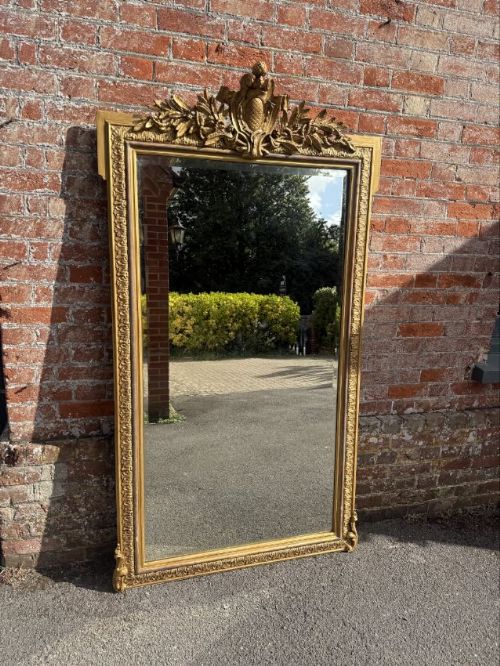
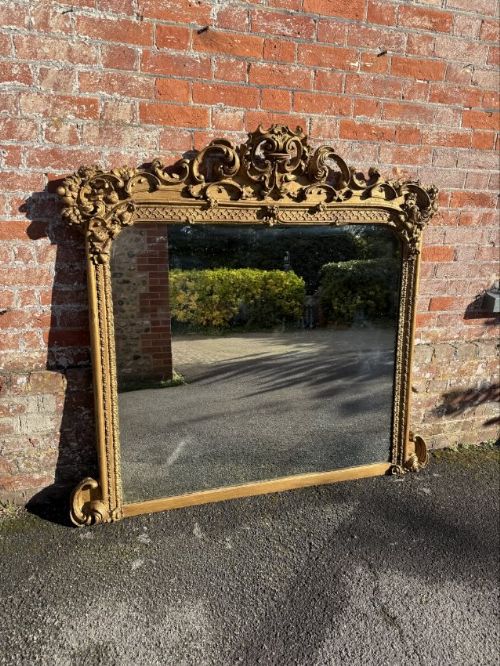
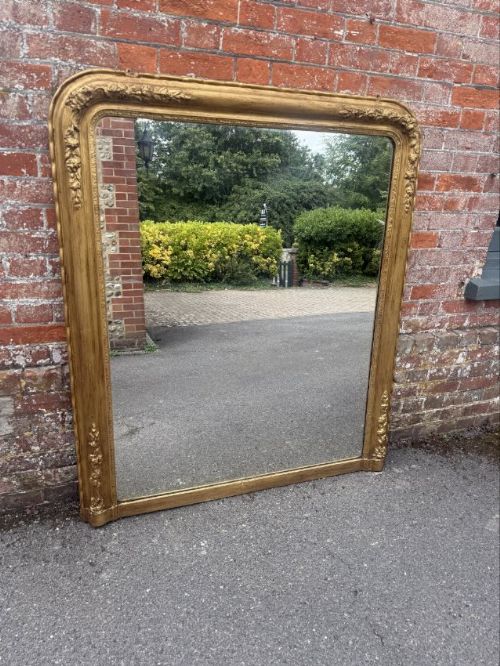
An English gold mirror encompasses grand overmantels, vertical pier glasses, and wall-hanging frames originating from the Georgian, Regency, and Victorian eras. These pieces dominate period interiors, designed historically to hang above fireplaces or between windows to amplify natural light.
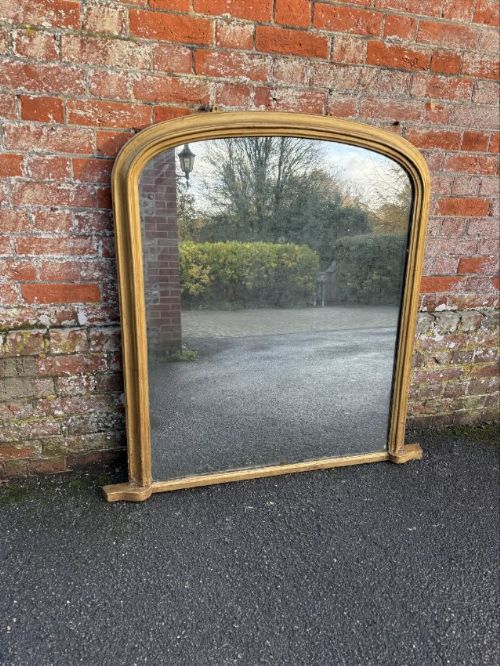
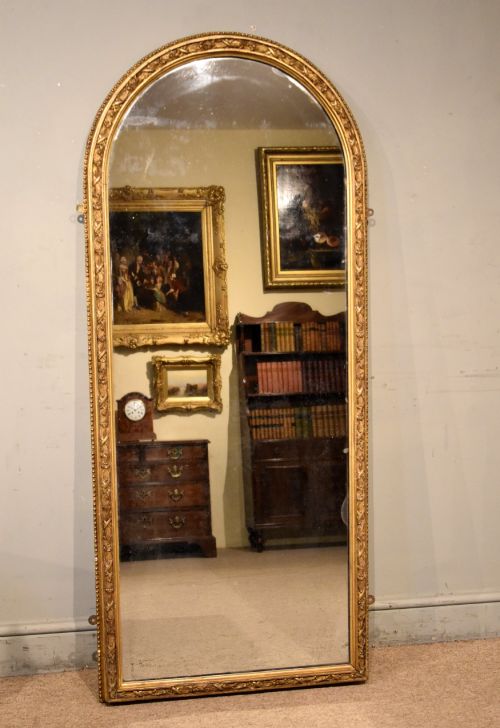
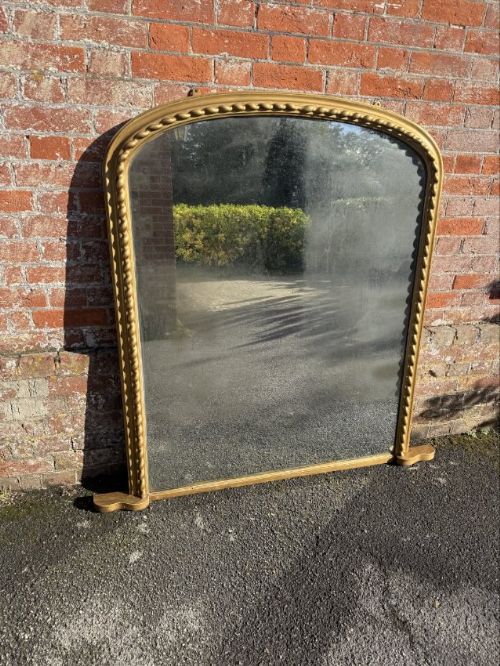
The most common examples encountered on this page are large nineteenth-century overmantel mirrors featuring arched tops and heavy wooden frames. Makers shaped these items for domestic display, creating substantial focal points for formal reception rooms and country house reception spaces.
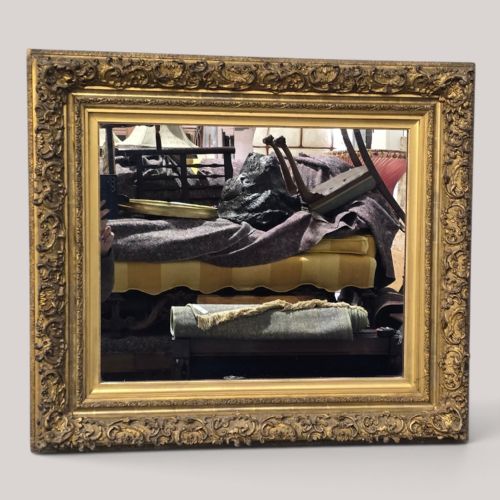
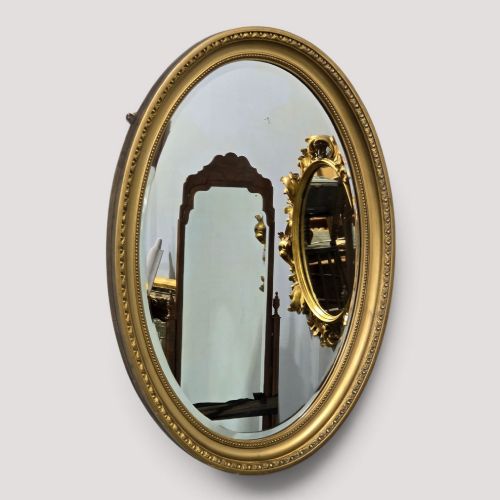
The selection extends from eighteenth-century rococo and neoclassical designs through to later revival styles. Pieces span various proportions, including oval formats, rectangular wall mirrors, and tall pier glasses built for specific architectural niches.
How They Were Made
Makers constructed the structural frames primarily from carved wood, utilising timber foundations that provided robust support for ornate decoration. Layers of gesso were applied over the wood base to build up smooth surfaces for intricate detailing and moulding.
Gilding was achieved by applying thin sheets of gold leaf over the prepared gesso ground, often secured with size. Many examples display oil gilding or water gilding techniques that produced a luminous metallic finish across the carved motifs.
English Gold Mirror Retail Price Guide 2026
Typical asking prices for english gold mirror among the pieces listed under this phrase on Sellingantiques today, from the lower quarter to the upper quarter. They describe what is for sale here now, not the wider market.
Current listings span the Georgian, Regency, and Victorian periods, featuring materials such as gesso, giltwood, and original mirror glass.
What Varies in Quality
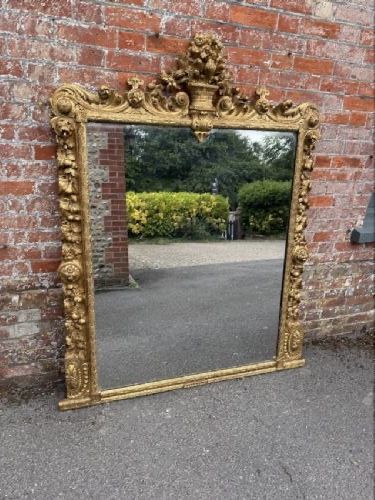
The sophistication of the carved wood and gesso ornamentation dictates much of the distinction between ordinary and exceptional examples. Finer pieces display deeply undercut foliage, crisp rope twist borders, and well-proportioned architectural mouldings executed with precision.
The preservation of the original gilt surface and the character of the mirror glass itself determine the visual integrity of the object. Surviving gold leaf with minimal restoration retains an authentic patina that mass-produced later equivalents cannot replicate.
The English Gold Mirror Glossary
- Gesso
- A plaster mixture applied to wooden frame foundations as a smooth base for subsequent gilding. This material allowed craftsmen to carve intricate relief decoration.
- Giltwood
- Timber that has been coated with gold leaf or gold paint for decorative effect. It forms the primary visual medium for these antique mirrors.
- Overmantel Mirror
- A large horizontal mirror designed specifically to hang above a fireplace mantelpiece. These frames often incorporate arched or shaped tops to match architectural proportions.
- Pier Mirror
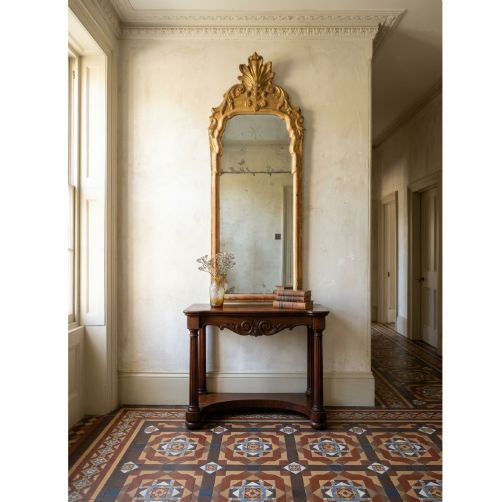
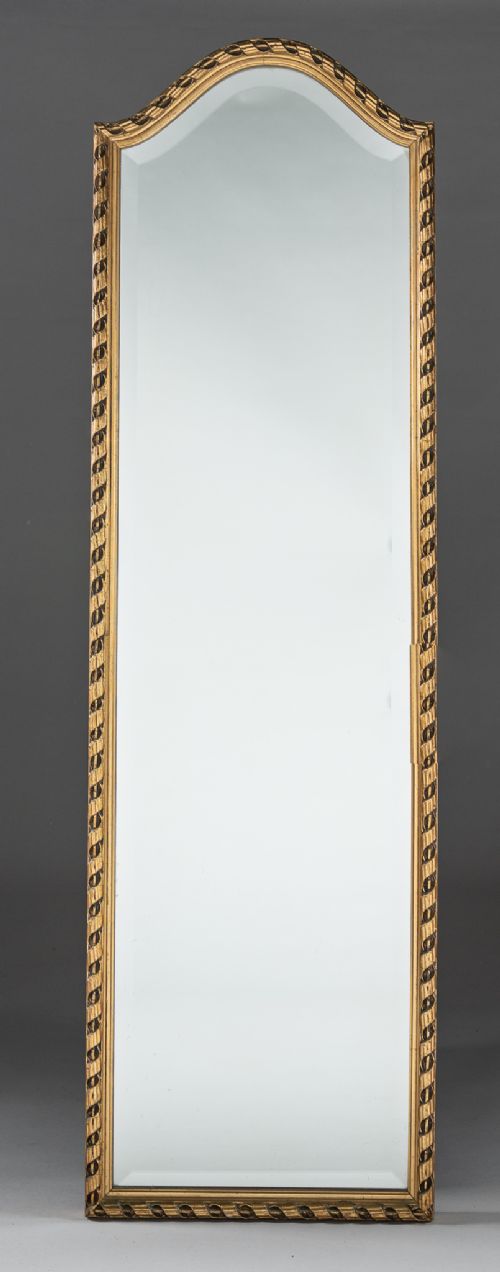
- A tall, narrow mirror traditionally hung on the solid section of wall between two windows. They were often paired with console tables in formal rooms.
- Verre Eglomise
- A technique involving cold painting and gilding on the reverse side of glass panels. It appears on select Regency period frames to create decorative borders.
English Gold Mirror: Frequently Asked Questions
Where should I hang an overmantel mirror?
These large frames sit naturally above a fireplace mantelpiece, where they anchor the surrounding room and reflect light back into the space.
Ensure the wall fixings match the substantial weight of the timber and gesso construction to secure the frame safely.
How do I identify a Regency period mirror?
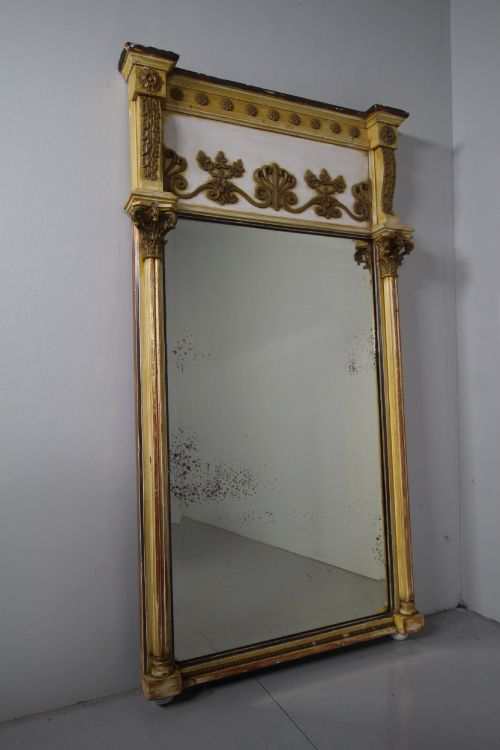
Regency pieces often incorporate classical motifs such as reeding, columns, and giltwood finishes designed to catch natural daylight.
Look for proportion and structural restraint characteristic of the early nineteenth century rather than heavy Victorian ornamentation.
What is the difference between an overmantel and a pier mirror?
Overmantel mirrors are built wide to span the horizontal space above a fireplace, whereas pier mirrors are proportioned vertically for narrow wall spaces.
Both serve distinct architectural functions within period domestic interiors.
How should I clean a gilded antique frame?
Dust the carved wood and gesso surfaces gently with a dry, soft brush to protect the delicate gold leaf layers.
Avoid liquid cleaners and moisture, which can damage old gesso and strip the historical finish from the wood.