



English Glass Sweetmeat
English glass sweetmeat glasses and associated vessels are refined table pieces designed for confections, bringing centuries of craftsmanship directly to your dining room.
English Glass Sweetmeat
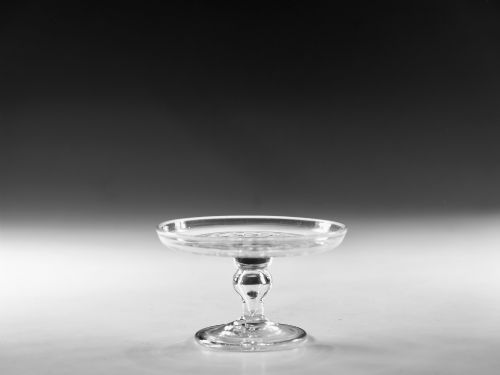
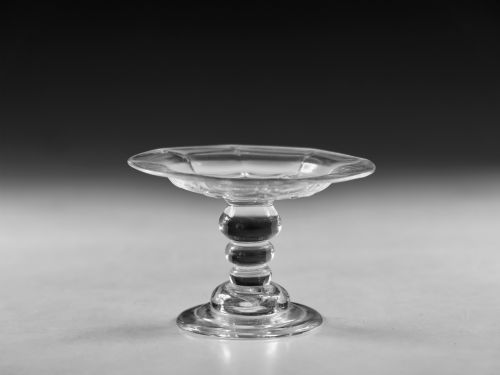
English glass sweetmeat vessels encompass a fascinating range of delicate table forms created for serving small confections, jellies, and nuts during formal dining. When you search for English glass sweetmeat, you encounter an array of historic glassware spanning the Georgian, Victorian, and Edwardian eras, including tazzas, patch stands, and bon bon dishes.
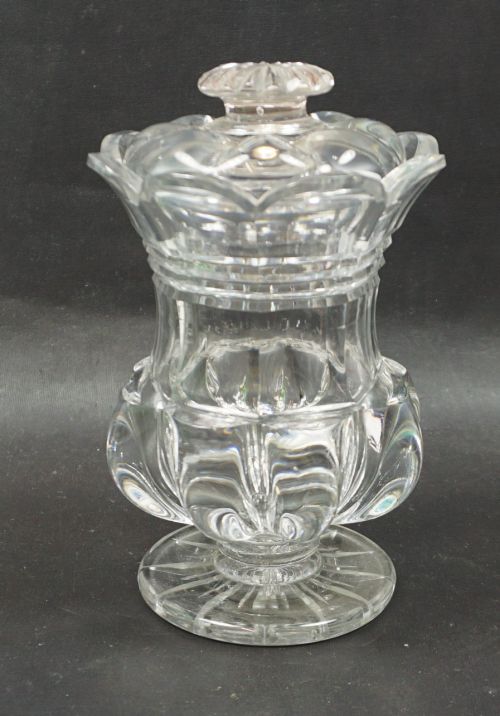
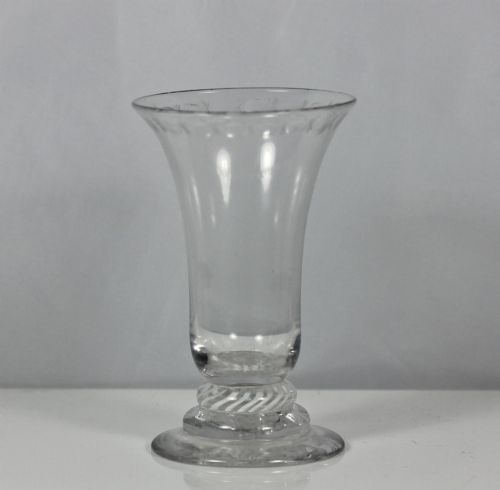
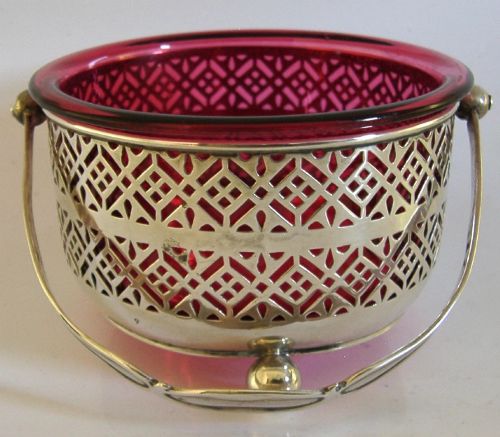
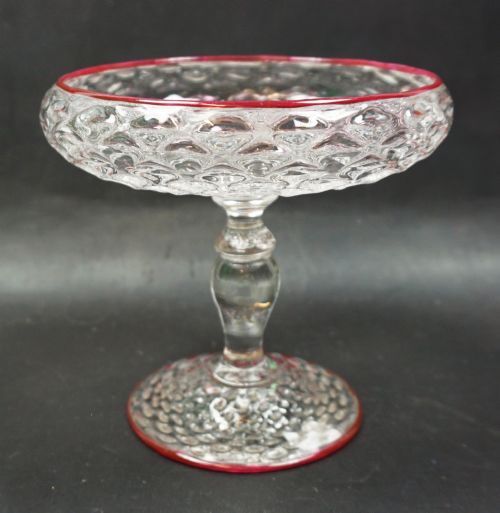
The 18th Century examples on this page, such as the baluster sweetmeat glass and early patch stands, showcase the heavy, brilliant lead glass typical of the period. Alongside these, later Victorian and Edwardian iterations bring coloured glass and silver mounts into the domestic sphere, offering diverse forms from honeycomb moulded tazzas to swing-handled baskets.
Georgian pieces tend to feature classic baluster stems or opaque twists, reflecting the sophisticated glasshouse techniques of the mid-eighteenth century. Meanwhile, the later nineteenth-century pieces demonstrate a shift toward decorative bowls and heart-shaped dishes utilising cranberry and pink opaque glass.
Materials and manufacture
The primary material underpinning these pieces is lead glass, often referred to as flint glass, which provided the heavy weight and brilliant clarity necessary for fine tablewares. Artisans shaped these vessels while hot, employing blowing techniques combined with applied mould-blowing for honeycomb patterns.
Decorative elements such as red cane decoration and silver plate or sterling silver mounts enrich the later Victorian and Edwardian pieces, adding contrasting textures. Enamel and coloured glass variations, including cranberry and pink opaque glass, demonstrate the evolving chemical recipes employed by English glasshouses.
English Glass Sweetmeat Retail Price Guide 2026
Typical asking prices for english glass sweetmeat among the pieces listed under this phrase on Sellingantiques today, from the lower quarter to the upper quarter. They describe what is for sale here now, not the wider market.
Materials represented across these items include clear lead glass, flint glass, sterling silver, silver plate, enamel, cranberry glass, and cobalt glass.
Judging quality and character
Quality in these glass pieces rests upon the crispness of the moulding and the clarity of the metal, where sharper facet cutting and well-defined honeycomb patterns elevate a vessel. The weight and balance of the piece, particularly in baluster stems and tazzas, indicate the skill of the original glassblower.
The preservation of delicate components, such as swing handles on silver-mounted baskets or delicate rims on bonnet glasses, influences the desirability of the piece. Subtle details like the execution of an opaque twist or the integration of coloured canes reveal the artisan's precision.
The English Glass Sweetmeat Glossary
- Sweetmeat glass
- A tall, stemmed glass vessel specifically designed for serving sweet confections, nuts, or dried fruits. These pieces typically feature a flared bowl and a sturdy foot.
- Tazza
- A shallow ornamental bowl or cup mounted on a stem and foot, used for serving small food items. They often display intricate honeycomb moulding or red cane decoration.
- Patch stand
- A small, elevated dish historically used to hold cosmetic patches worn on the face during the Georgian era. These miniature stands frequently date to the mid-eighteenth century.
- Baluster
- A swelling, architectural stem form found on 18th-century glassware, providing stability and visual weight to drinking vessels and sweetmeat glasses.
- Cranberry glass
- A rich red transparent glass coloured with gold chloride, popular during the Victorian period for decorative tableware and baskets.
English Glass Sweetmeat: Frequently Asked Questions
What is an English glass sweetmeat?
An English glass sweetmeat is a historic footed vessel used for serving sugary delicacies, comfits, and nuts at the dining table. These pieces range from tall stemmed glasses to shallow dishes.
They reflect the changing fashions of English dining from the Georgian period through to the Edwardian era, combining utility with decorative elegance.
How were 18th-century sweetmeat glasses used?
In the eighteenth century, sweetmeat glasses held rich confections, jellies, and preserved fruits served at the conclusion of a formal meal. Guests would select small treats from these elevated dishes.
Their height helped display the sweetmeats prominently among other tablewares, adding visual interest to the dining arrangement.
How do I date an antique glass tazza?
Dating involves examining the type of glass metal, the forming techniques, and the stylistic characteristics of the stem or foot. Georgian pieces often utilise heavy lead glass with baluster or opaque twist stems.
Later Victorian examples frequently incorporate moulded crystal, coloured glass, or applied decorative canes, shifting the overall aesthetic away from simple lead transparency.
What is the difference between a patch stand and a sweetmeat glass?
A patch stand is a very small, flat-topped miniature dish used to hold cosmetic patches, whereas a sweetmeat glass is typically a deeper, stemmed vessel for food. Both appear frequently in mid-18th-century English glassware.
Patch stands sit lower to the surface and possess a distinctive miniature scale compared to the taller, more prominent profile of a sweetmeat glass.