


English Georgian Pier Table
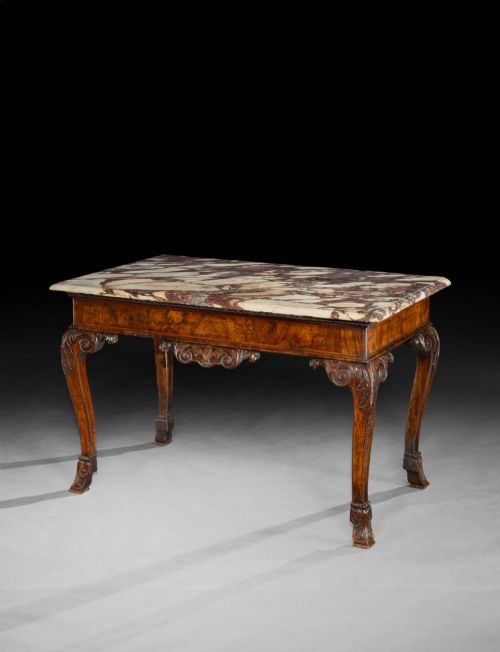
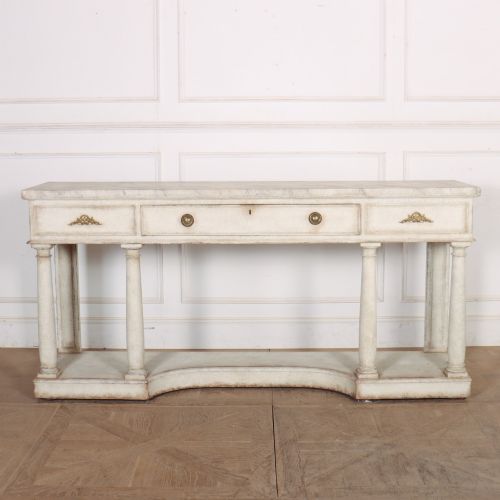
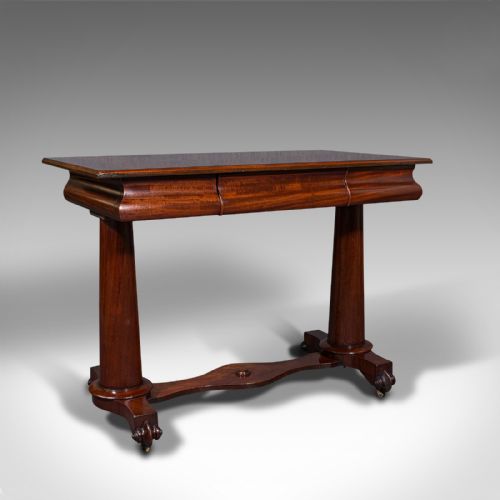
An english georgian pier table brings architectural presence and refined mahogany or painted surfaces to a hall or drawing room.
English Georgian Pier Table
When you search for an english georgian pier table, you encounter console tables, side tables, tea tables, and side cabinets dating from the eighteenth century through to later revival periods.
The pieces appearing here span the eighteenth century, the Regency era, and later Victorian and twentieth-century revivals.
Makers and craftsmen shaped these forms in walnut, mahogany, and painted wood, frequently topped with marble.
Materials and construction
Cabinetmakers utilised dense timbers such as mahogany, walnut, and rosewood, often pairing wood structures with heavy marble tops.
Surfaces received decorative treatments including paint, giltwood, and satinwood highlights to suit neoclassical and Regency tastes.
The listings on this site combine eighteenth-century walnut and mahogany pieces with nineteenth-century painted and Regency examples.
Assessing craftsmanship and design
Distinction in these tables rests upon the depth of the carving and the richness of the timber's natural patination.
Proportion and stylistic purity, whether executed in a George II manner or under Regency influence, separate standard pieces from superior examples.
The English Georgian Pier Table Glossary
- Pier table
- A side table designed to stand against the wall between two windows, frequently positioned beneath a pier glass mirror.
- Console table
- A table supported by wall brackets or console legs, appearing in several listings alongside traditional pier forms.
- Giltwood
- Wood that has been coated with gold leaf or a gold-coloured metallic finish, seen on decorative frames and mounts.
- Satinwood
- A durable, lustrous yellowish timber native to Ceylon and India, utilised for banding and detailed inlay work.
- Neoclassical
- A style drawing inspiration from the classical art and architecture of ancient Greece and Rome, prominent in Regency designs.
English Georgian Pier Table: Frequently Asked Questions
Where should a pier table be placed?
These tables traditionally occupy the wall space between two windows, directly beneath a mirror or architectural feature.
Their shallow depth allows them to sit flush against a wall without obstructing pathways in a hallway or drawing room.
What is the difference between a console and a pier table?
While both stand against walls, a traditional pier table relates specifically to the architectural pier between windows.
Console tables rely on wall brackets for support, though the terms often overlap in historic furniture categories.
How do I identify a Georgian revival piece?
Revival pieces mimic the proportions and decorative vocabulary of eighteenth-century models but are constructed later, such as in the Victorian era or around nineteen-twenty.
Examination of timber shrinkage, tool marks, and secondary woods helps determine whether a piece is eighteenth-century or a later interpretation.
Are marble tops original to these tables?
Many console and pier tables feature heavy marble tops designed to handle heavy decorative objects and provide a cool, durable surface.
Inspect the seating of the stone within the wooden frame to understand how the top integrates with the base.