


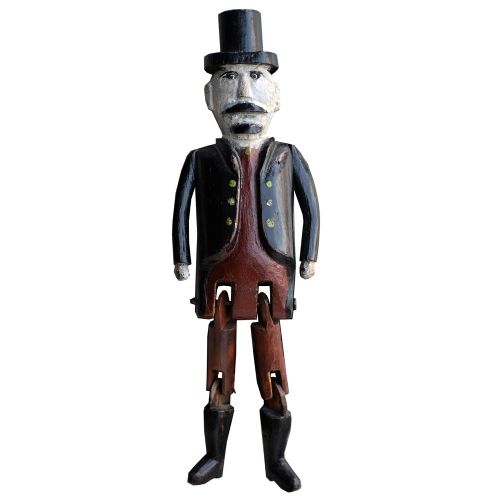

English Folk Art Sculpture
English folk art sculpture brings vernacular character into a room through carved wood, painted metal, and shell work made by untutored hands.
English Folk Art Sculpture
When you search for english folk art sculpture, you encounter vernacular works shaped by everyday makers rather than academy-trained artists. These pieces range from functional yard items to whimsical display objects designed for ordinary domestic and commercial life.
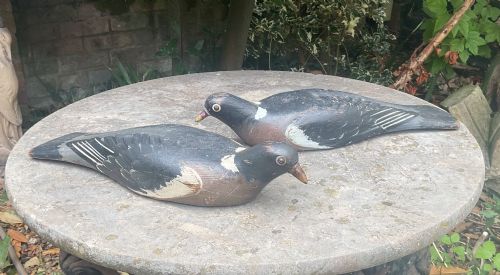
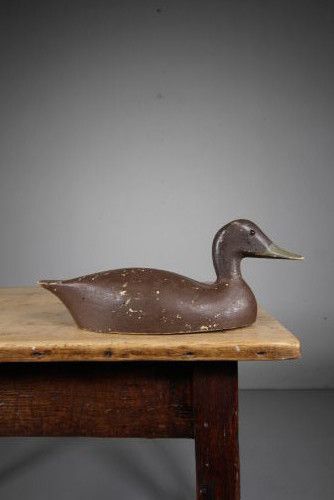
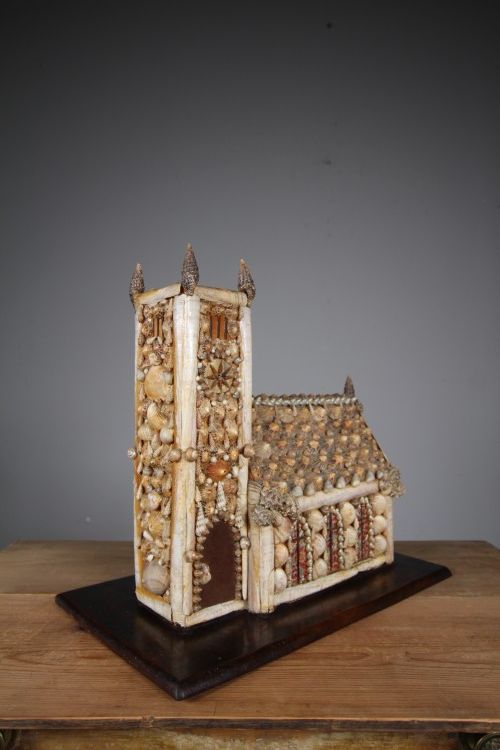
The selections available here lean heavily into nineteenth-century and early twentieth-century examples. You will frequently find carved wooden decoys, metal weather vanes, painted trade signs, and intricate shell work structures.
Rural makers shaped these items using local materials, capturing domestic animals and community trades with direct observation. Each sculpture reflects the specific regional traditions of the English countryside and coastal towns.
How they were made
Makers shaped these sculptures from available materials like wood, iron, copper, cardboard, stone, and glass. Wood was carved and finished with layers of old paint, while metals were beaten and shaped into directional silhouettes for roofs and spires.
Complex decorative pieces incorporated delicate mediums such as seashells fixed with gesso. Artisans relied on straightforward hand tools to produce functional items that doubled as striking visual ornaments.
What varies in quality
Quality in these sculptures rests upon the strength of the silhouette and the character of the surface patination. Original painted finishes that show genuine weathering elevate a piece far above items with later restorations or stripped surfaces.
The boldness of the carving distinguishes accomplished vernacular work from routine utilitarian output. Directness of expression and confident handling of stubborn materials like iron or dense wood define the finer examples.
The English Folk Art Sculpture Glossary
- Decoy
- A carved or moulded figure originally placed to attract wildfowl during shooting. These working objects now appeal to collectors for their minimalist sculptural forms.
- Weathervane
- A pivoting metal sculpture mounted on a roof to indicate wind direction. Artisans frequently fashioned these into cockerels and other familiar farmyard subjects.
- Trade sign
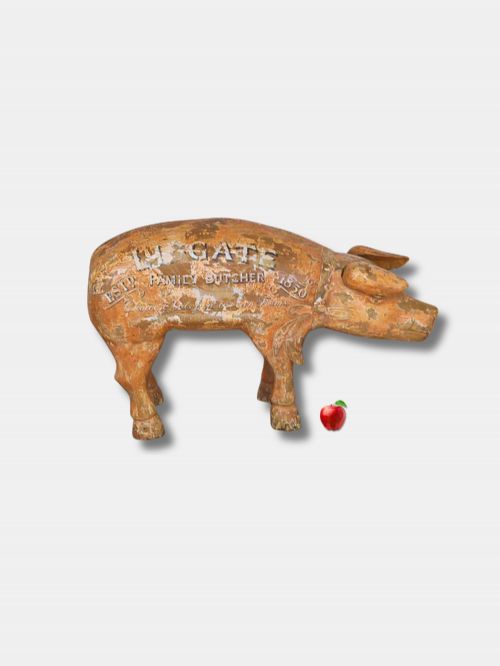
- A painted board or hanging marker identifying a specific merchant's shop or business. These large boards utilised bold lettering and imagery to draw customers from the street.
- Jigger doll
- An articulated mechanical toy figure designed to dance on a board when tapped by hand. They represent a playful strand of vernacular kinetic carving.
English Folk Art Sculpture: Frequently Asked Questions
How were weather vanes used?
Makers mounted these metal sculptures atop barns, churches, and civic buildings to display the prevailing wind direction.
Over decades exposed to the elements, the iron and copper developed rich patinas under layers of old paint.
How do I style these sculptures?
These vernacular pieces suit minimalist interiors where their strong silhouettes and worn painted surfaces stand out clearly.
Pair wooden decoys or trade signs on plain shelves or walls to let the handcrafted textures dominate the space.
How do I date these pieces?
Dating relies on observing material wear, tool marks, and the chemical composition of old paint layers.
Comparing construction methods with documented nineteenth and Edwardian examples helps establish the likely period of manufacture.