




English Fire Shovel
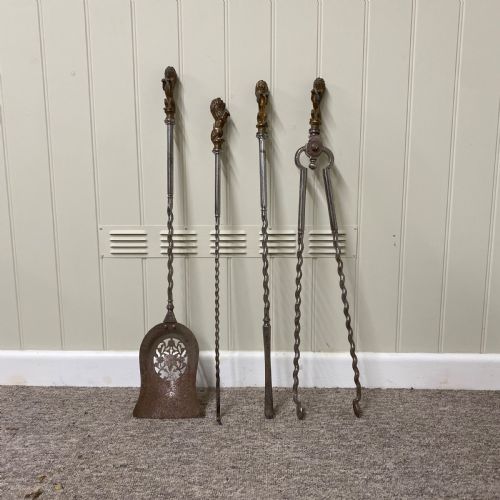
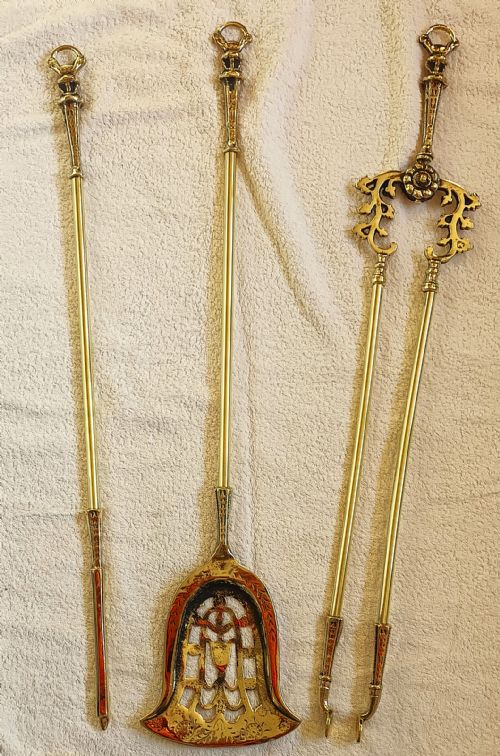
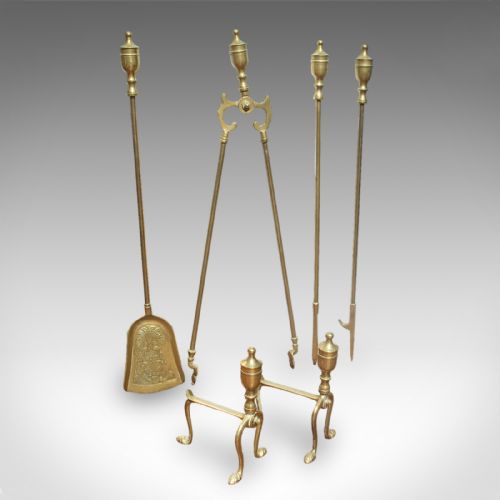
An English fire shovel forms part of a fireside companion set, bringing functional hearthside heritage into a room.
English Fire Shovel
When you search for an English fire shovel, you encounter utilitarian hearth implements designed for tending coal and wood fires. These pieces typically appear within sets of fireplace tools, companion sets, or inglenook collections rather than as solitary items.
The versions you are most likely to meet on this page date from the Victorian and Georgian eras, spanning the nineteenth century into the early twentieth century. They form part of broader fireplace accessories that include pokers and tongs.
The forms range from country house inglenook tools to refined parlour fire irons. They reflect the domestic heating habits of British homes across different social strata.
Materials and construction methods
The listings record these tools fashioned primarily from brass, steel, and iron, sometimes utilising wrought iron or gilt metal for decorative effect. Blacksmiths and metalworkers shaped these durable metals to withstand intense hearth temperatures and daily use.
Construction techniques involve forging solid bars for pokers and handles, while the shovel blades are riveted or formed to handle heavy loads of coal and ash. The combination of brass and steel creates contrast within companion sets.
English Fire Shovel Retail Price Guide 2026
Typical asking prices for english fire shovel among the pieces listed under this phrase on Sellingantiques today, from the lower quarter to the upper quarter. They describe what is for sale here now, not the wider market.
Even the humblest nineteenth-century coal shovel received decorative turning on its handle, ensuring even the ash was moved in style.
Judging the standard of manufacture
Quality varies through the weight of the metal and the integrity of the joins between handle and shaft. Superior pieces exhibit balanced proportions and substantial gauge metal that resists bending during heavy hearth use.
Refinement in the turning of handles and the finishing of shovel blades separates utilitarian workshop output from more carefully detailed parlour items. The harmony of design across a complete set indicates the original maker's intent.
The English Fire Shovel Glossary
- Companion set
- A matched group of fireplace tools, usually comprising a shovel, tongs, and poker, designed to stand together by the hearth. These suites ensure all necessary tending implements are kept in one place.
- Inglenook
- A large recessed corner by a fireplace, often featuring seats, where substantial fire tools were kept for managing large logs. Country house examples are typically heavier in build.
- Fire irons
- The collective term for metal implements used to maintain a coal or wood fire, including the shovel, poker, and tongs. They are frequently displayed upright in stands or rests.
- Gilt metal
- Base metal treated with a thin layer of gold or gold-coloured wash to provide a decorative finish. This technique brightened the appearance of fireside accessories in formal rooms.
English Fire Shovel: Frequently Asked Questions
What is an English fire shovel used for?
An English fire shovel was employed for clearing ash from the grate and placing fresh coal onto the fire. It formed an essential part of daily domestic maintenance in period homes.
These tools worked in tandem with pokers and tongs to manage the hearth efficiently. Their design balanced functional utility with the aesthetic standards of the room.
How do I date a Victorian fire tool?
Dating Victorian fire tools involves examining the style of the handles, the weight of the metal, and any accompanying assembly clues. Nineteenth-century pieces often display specific casting patterns and proportions typical of the period.
Comparing the shovel to other items in a companion set helps confirm if they originated together as a matched suite. Documentation or specific stylistic markers in the listings provide further chronological context.
Are these fire shovels made of solid brass?
Many of the fire shovels and companion sets on this page are constructed from solid brass or steel. Some pieces utilise iron frames with brass elements to balance durability with bright visual contrast.
Examining the weight and construction reveals whether a piece is solid metal or incorporates applied decorative plating. Wrought iron and gilt metal also appear across the recorded inventory.
How should I display fire tools at home?
Fire tools are traditionally displayed upright in a companion stand or hung beside the fireplace mantel. This keeps the shovel, poker, and tongs accessible for tending the hearth.
Arranging them near the fireplace highlights their historical craftsmanship as interior accessories. They serve both a practical function and a decorative role in a period or country house setting.